Okinawa driving tips: Master left side driving guide
"The most critical challenge for travelers moving from right-hand traffic to left-hand traffic is the immediate instinct to steer toward the wrong side of the road during turns."
Navigating the roads of Okinawa requires a shift in spatial awareness to avoid driving in the wrong lane. This guide covers essential safety adjustments for left-hand traffic, identifies common pitfalls during turns, and provides a checklist for smooth driving.
Key takeaways: 1. Always remember that the driver sits on the right side of the vehicle. * Pay extra attention to lane positioning during intersections and turns. * Avoid sudden movements when adjusting to the opposite side of the road.
How to manage driving in Okinawa?
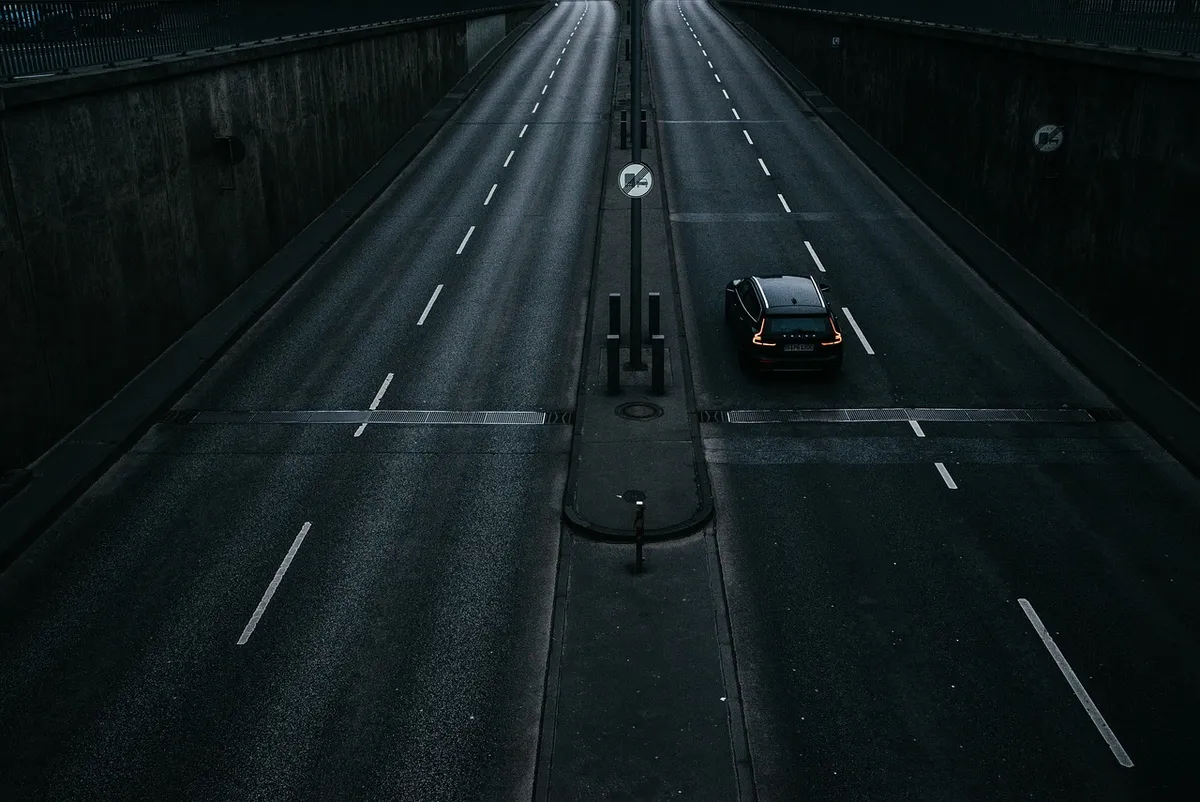
At noon, I grip the steering wheel tightly while staring through the windshield at the bright streets of okinawa.
A driver grips the steering wheel and realizes the windshield view is shifted toward the center of the road. This initial adjustment is the core of Okinawa driving tips for those accustomed to right-hand traffic.
When moving to a system where the driver sits on the right, the perspective of the road changes entirely. You must focus on the shoulder of the road to ensure the vehicle remains in the correct lane.
Because the driver sits closer to the center line, maintaining a steady position requires constant visual scanning of the left-side mirrors.
Driving in Okinawa involves constant vigilance to prevent crossing into oncoming traffic. Many travelers find that the most dangerous moment occurs during the first few minutes of a trip when they attempt to enter a lane.
By staying centered and keeping the passenger seat to your left, you can mitigate the risk of accidental lane departures.
Avoiding the danger of driving on the opposite side? Okinawa driving tips
At dusk, I grip the steering wheel with sweaty palms as the narrow streets of okinawa pull me toward the oncoming lane.
A car approaches a narrow intersection, and the driver feels a momentary urge to turn right into the oncoming lane. This instinct is the primary obstacle when managing driving on the opposite side of the road.
The tendency to drift toward the right is a natural reaction for those used to right-hand traffic. To prevent this, drivers should keep their eyes focused on the lane markings rather than the center of the road.
If you find yourself drifting, a gentle correction toward the left side of the vehicle will keep you in the proper lane.
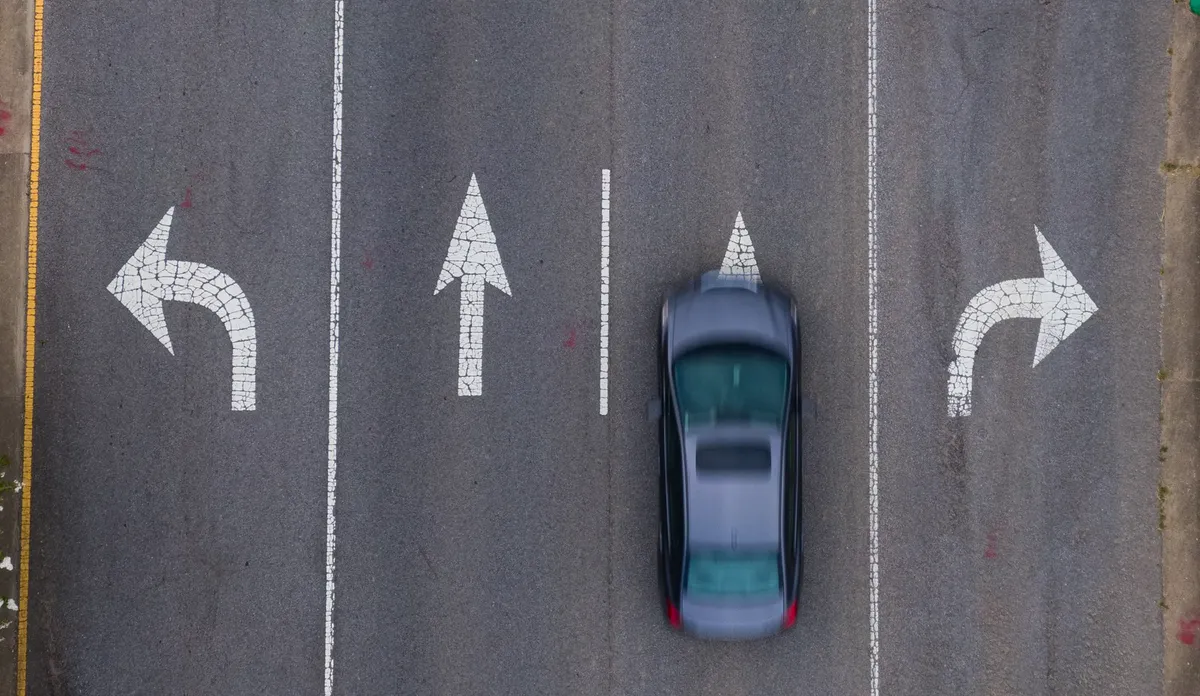
Safety depends on recognizing that the driver's side is now the left side. Sudden steering movements can cause the vehicle to veer toward the center line. It is helpful to remember that the passenger is always on your left, which serves as a physical boundary to help you stay on the correct side.
Mastering the left side driving guide
The driver approaches a roundabout, carefully checking the mirrors to see where the passenger seat sits. Mastering a left side driving guide requires understanding how to navigate junctions without crossing the center line.
Turning at intersections is where most mistakes happen because the steering input feels inverted. When making a left turn, you must turn toward the passenger side, which can feel counterintuitive.
When making a right turn, you are turning toward the center of the road, requiring extra care to stay in your lane.
Visual cues are essential for maintaining the correct path. Using the side mirrors to check the distance from the left curb helps stabilize the car. It is vital to maintain a slow, controlled speed during the first few days of travel to allow your muscle memory to adjust to the new positioning.
Managing Okinawa road safety during turns
A driver prepares to turn into a driveway, momentarily confused about which side of the car the steering mechanism responds to. Maintaining Okinawa road safety requires mastering the relationship between the steering wheel and the lane.
One of the most common errors is "the wrong-way turn" at junctions. This happens when a driver turns too sharply toward the center line instead of toward the corner. To avoid this, visualize the path of the car as a wide arc that stays toward the left side of the lane.
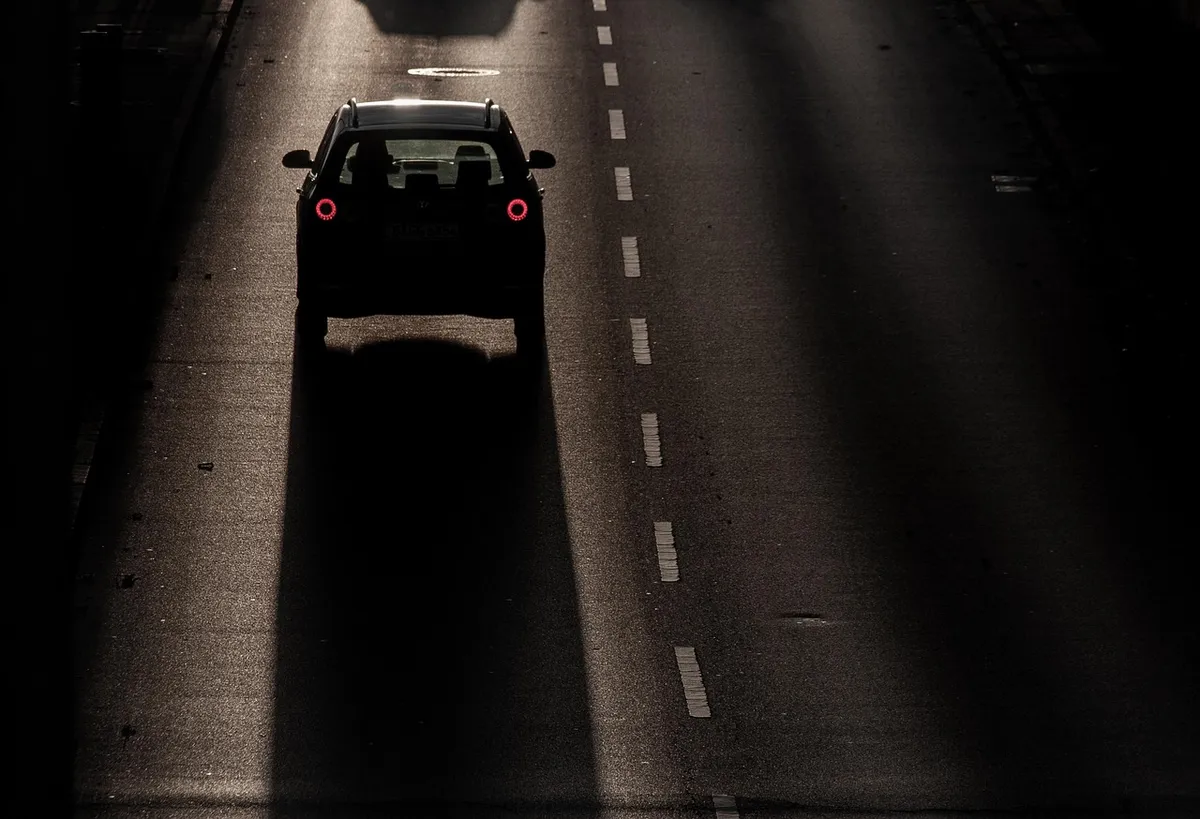
Always check the rearview mirror before initiating any turn to ensure no one is overtaking on the left. Because the driver is positioned on the right, visibility of the left-hand side of the vehicle can be limited.
Slowing down before a turn allows for better spatial awareness and prevents sudden, dangerous lane shifts.
Why do drivers struggle with safe driving in Japan?
A traveler sits in the driver's seat, feeling the weight of the steering wheel on the right side. Understanding the mechanics of safe driving in Japan helps bridge the gap between different traffic cultures.
According to World Bank data, Japan recorded international tourist arrivals of 4,115,800 in 2020.
The physical layout of the car dictates how much visibility you have of the road. Since the driver is on the right, the left-side blind spot is often more pronounced for those used to left-hand drive vehicles. This shift requires a more frequent use of the left mirror to monitor the passenger side.
The mental transition is often harder than the physical one. Drivers must consciously override their habit of hugging the right side of the road. Practicing these movements in a quiet area before entering busy streets can help solidify the new driving pattern.
Essential steps for successful driving
A driver pulls out of a parking lot, carefully checking the road ahead before initiating movement. To ensure a smooth transition, follow these specific steps to manage the change in traffic flow.
- Position the vehicle: When entering a road, always approach from the left-hand side to ensure you are in the correct lane. 2.s. Execute turns with caution: When turning right, ensure the vehicle clears the oncoming lane by maintaining a wide, controlled arc. 3. Verify lane position: Regularly check the left-side mirror to confirm the vehicle is centered in the lane and not drifting toward the curb.
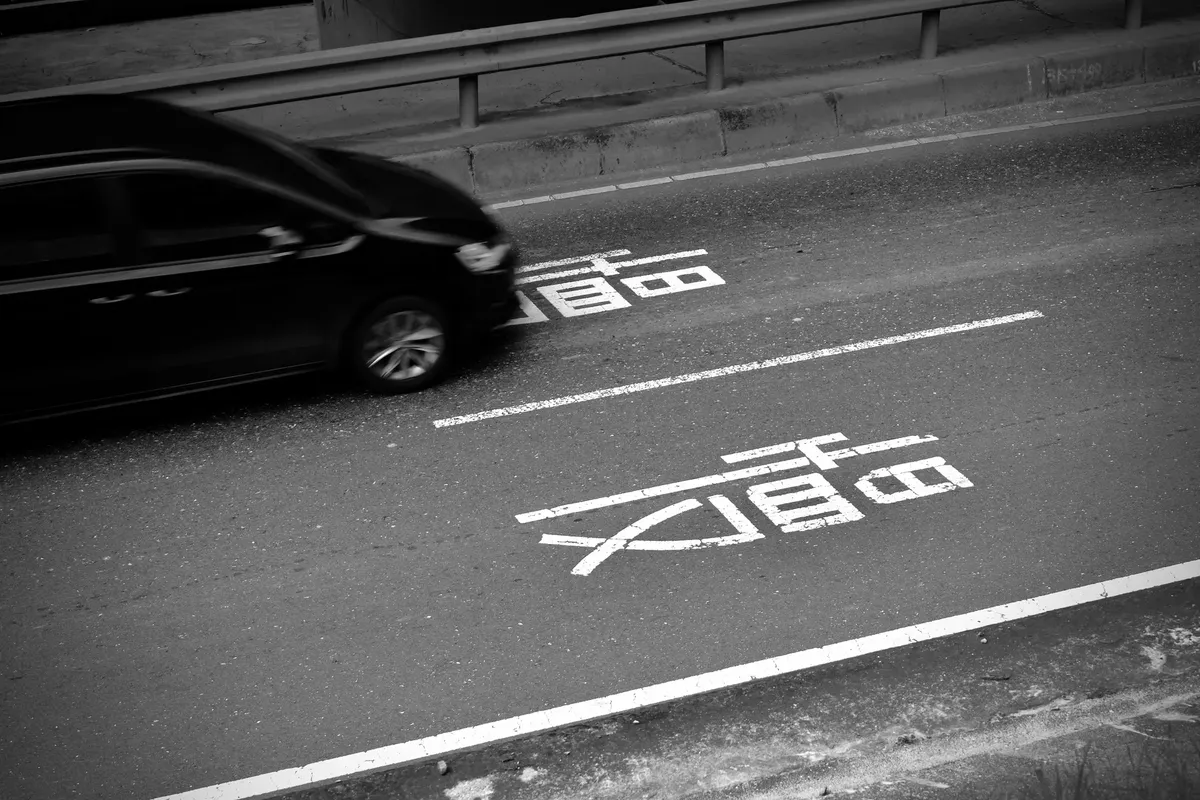
After completing these steps, perform a final check of your surroundings. Ensure that your passenger-side mirrors are adjusted to provide a clear view of the left-hand lane.
| Action | Primary Focus | Risk Factor |
|---|---|---|
| Left Turn | Passenger Side | Understeering into the center |
| Right Turn | Center Line | Oversteering into oncoming traffic |
I found that checking my position in the mirror every few minutes helped confirm I was still on the correct side of the road.
The limitation of these tips is that they apply to standard passenger vehicles and may not account for the unique handling of larger vans or specialized vehicles.
- How to manage driving in Okinawa?
- Avoiding the danger of driving on the opposite side?
- Mastering the left side driving guide
The same subject is also called Okinawa rental car tips.
Related




Comments 0