3-Night Trips vs. 4-Day Immersion in Okinawa's Culture
"To understand Okinawa, you must look past the turquoise water and realize you are walking through the remnants of a kingdom that once ruled the waves."
Okinawa is far more than a tropical playground; it is a living repository of the ancient Ryukyu Kingdom, a culture shaped by maritime trade, unique lineage, and a resilient spirit.
* Okinawa preserves a distinct Ryukyuan identity that remains separate from mainland Japanese norms. * Strategic planning—balancing Naha’s history against the North’s nature—is essential for a meaningful itinerary. * Success lies in blending structured travel (rental cars and logistics) with the slow, intentional pace of island life.

🧭 Planning Your Deep Dive: When, Where, and Why Go?
The sun hit the dashboard of my rental car as I pulled onto the expressway, the scent of salt air mixing with the hum of the engine. I had a map spread across the passenger seat, but no amount of paper could capture the weight of the history waiting at the end of the road.
Deciding how long to stay determines whether you merely glimpse the culture or truly absorb it. A 2-night/3-day trip typically functions as a "surface skim," focusing on high-impact sites like Churaumi Aquarium or the Naha shopping districts.
In contrast, a 3-night/4-day itinerary allows for a meaningful split between the historical heart of Naha and the rugged, traditional landscapes of the North.
When choosing your focus, you must weigh accessibility against immersion. The main island offers a dense concentration of Ryukyuan heritage, such as the ruins of Shuri, while the remote islands like Miyako or Ishigaki provide a more isolated, traditional atmosphere.
However, traveling to these islands requires additional flights and significant time, making them better suited for longer stays.
Seasonal timing is the final piece of the puzzle. While the summer months of July and August offer perfect swimming, they also bring the unpredictable typhoon season, which can disrupt flights and ferry schedules.
Planning your trip during the shoulder seasons of May or October can provide a more stable environment for exploring historical sites without the heavy crowds of mid-summer.
But even with a perfect plan, the physical act of getting around can throw you off balance.
🚗 Navigating Okinawa: Driving, Transit, and Local Flow
I remember the first time I sat in the driver's seat of a Japanese rental car, gripping the steering wheel and staring at the passenger side where the controls should have been. The sudden realization that the windshield was on the "wrong" side made my heart race for a second.
Driving in Okinawa requires a mental shift. In Japan, you drive on the left side of the road, meaning the steering wheel is on the right. For American travelers, this means the driver sits closer to the center line, and passing maneuvers require extra caution.
It is vital to remember that the driver should always be the passenger in the seat closest to the sidewalk to maintain visibility and safety during turns.
Your choice of base will dictate your daily rhythm. If you want to be surrounded by the pulse of history and easy transit, Naha is the logical choice. It is the hub of the island, where you can easily use the Yui Rail (the local monorail) to move between sites.
However, if your goal is to experience the natural beauty and quieter coastal villages, staying in the Northern regions of Onna-son or Nago is superior.
| Feature | Naha Base | Northern/Coastal Base |
|---|---|---|
| Primary Vibe | Urban, Historical, High Energy | Nature, Resort, Relaxed |
| Transport | Easy via Yakut/Taxis | Requires Rental Car |
| Cultural Access | High (Shuri, Kokusai Dori) | Moderate (Traditional Villages) |
| Best For | Short trips & Foodies | Families & Nature Lovers |
While a rental car is almost essential for exploring the vastness of the main island, don't overlook local transit for short bursts.
In Naha, the monorail is efficient, but once you hit the coastal roads, you will find that a well-booked rental car is your most important tool for reaching remote heritage sites.
But once you arrive at your destination, how do you move from being a spectator to a participant in the culture?
🗿 Echoes of the Ryukyu Past: Immersing in Living Heritage
Walking through the stone gates of an old village, the silence was broken only by the sharp, rhythmic pluck of a three-stringed instrument. It wasn't just music; it felt like the heartbeat of the ancestors echoing through the limestone walls.
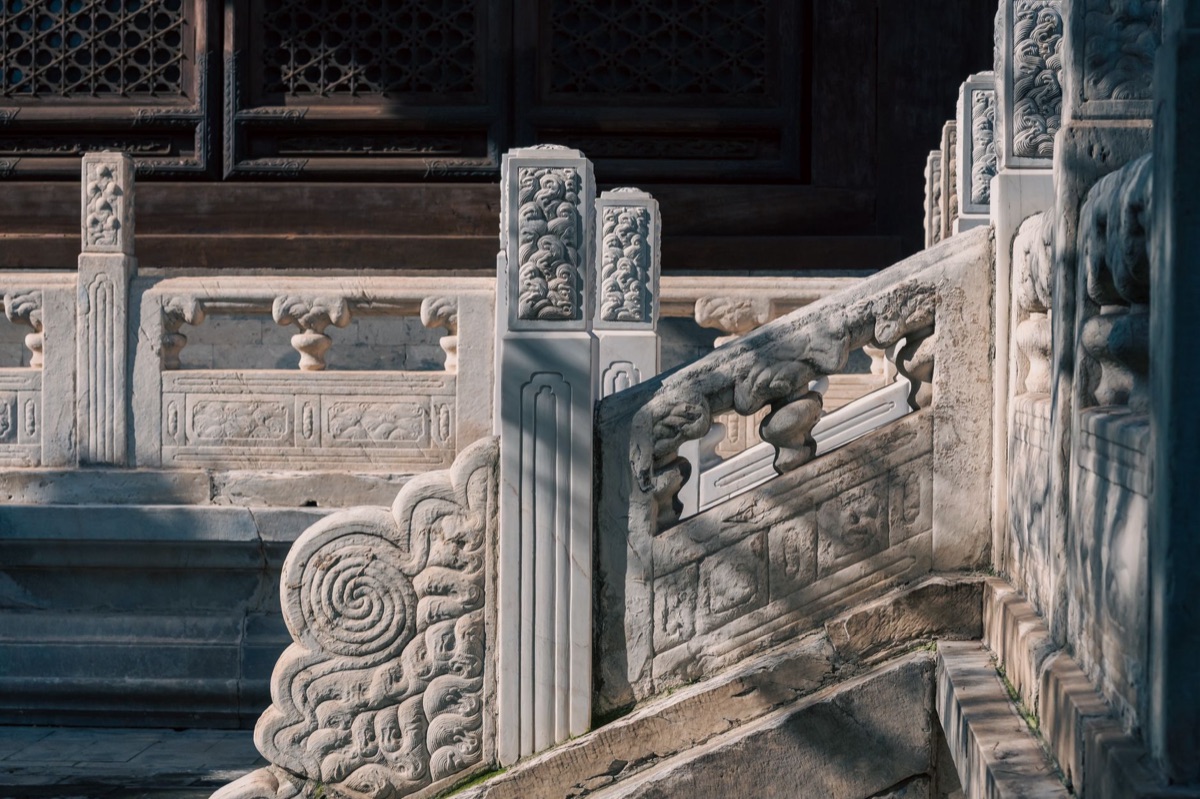
The soul of Okinawa is tied to the Ryukyu Kingdom, a sovereign state that flourished through maritime trade long before modern borders were drawn. The ruins of Shuri Castle serve as a poignant reminder of this era.
Even as the site undergoes reconstruction, the architectural influence of the kingdom—characterized by red-tiled roofs and unique stone masonry—is visible across the islands.
To truly hear the history, you must listen to the *sanshin*. This three-stringed lute is the backbone of Okinawan music, its soulful tones accompanying folk songs that tell stories of sea voyages and lost loves.
Beyond sound, the culture is etched into the crafts, from hand-dyed *bingata* textiles to the iconic *shisa* (lion-dog) statues that guard the entrances of homes to ward off evil spirits.
The food is another pillar of this heritage. The traditional Okinawan diet is a blend of indigenous ingredients and influences brought by centuries of trade.
It is a cuisine centered on longevity, utilizing ingredients like bitter melon (*goya*) and pork in ways that reflect a deep respect for the land and sea.
To connect with this heritage, follow these steps:
- Explore the Shuri Connection: Spend a full morning at the historical seat of power to understand the kingdom's political legacy.
- Seek Artistic Immersion: Attend a local performance in Naha to hear the *sanshin* and witness traditional dance.
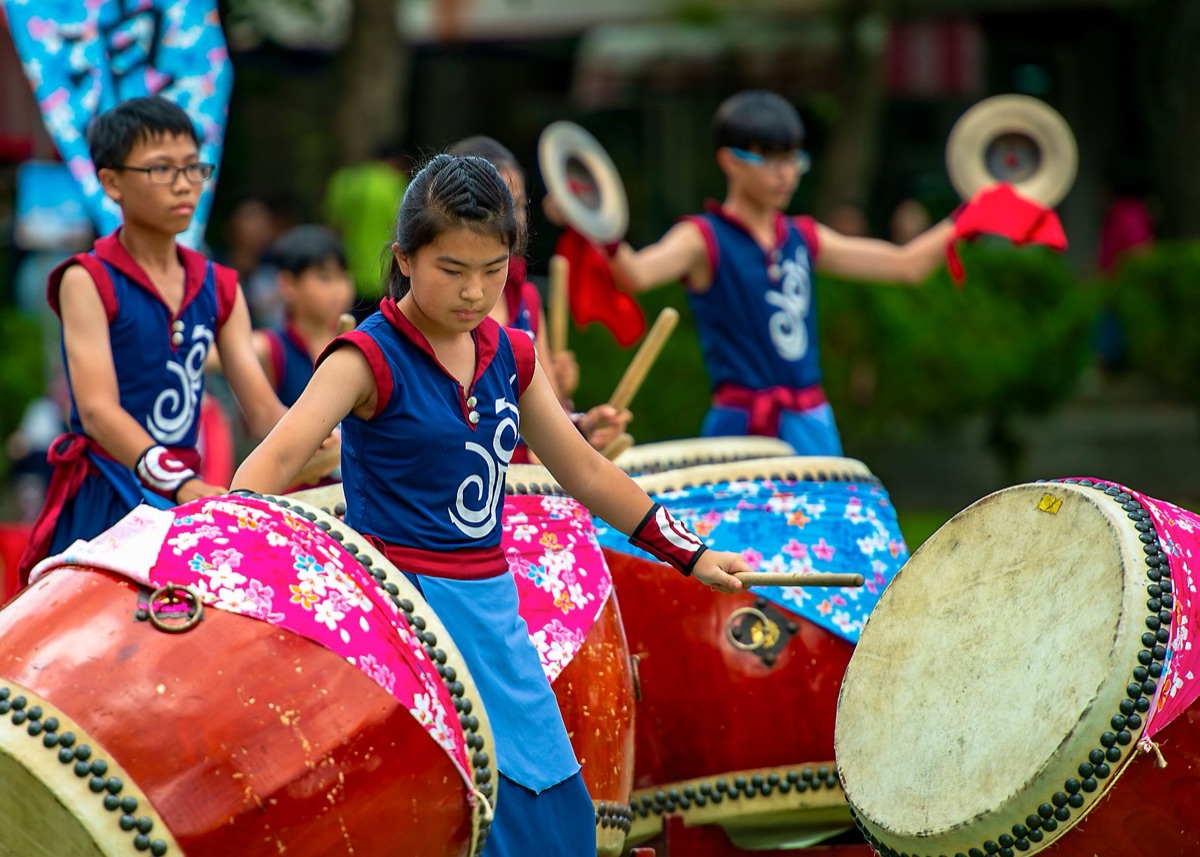
- Observe Rituals: If timing permits, look for an *Eisa* festival, where drum-heavy dances honor ancestors.
- Taste the Roots: Visit local markets like Makishi Public Market to taste the authentic flavors of the archipelago.
While the history is heavy, the lure of the coastline is often what brings people here in the first place.
🏖️ Beyond the Surface: Sea, Sun, and Local Life
The water at the Blue Cave was so clear it felt as though the boats were floating in mid-air. I dipped my hand into the cool, turquoise expanse, feeling the transition from the heat of the sun to the refreshing embrace of the sea.
Okinawa’s identity is inseparable from the ocean. While the beaches are world-class, the relationship between the people and the sea is more complex than simple recreation. For many, the water is a source of life and a sacred space.
When visiting coastal areas, it is important to respect local fishing boundaries and seasonal closures.
For those looking to move beyond the standard beach day, consider the remote islands. A comparison between Miyako-jima and Ishigaki-jima is common among travelers. Miyako is famous for its stunningly clear, shallow turquoise waters and coral reefs, making it a paradise for snorkeling.
Ishigaki, however, serves as a gateway to even more remote islands and offers a slightly more rugged, adventurous atmosphere.
Transitioning from tourist spots to local life requires a change in pace. In the small fishing villages of the north, the rhythm of life is slower. You might find yourself waiting for a local ferry or adjusting your plans because of a sudden tropical rain shower.
Embracing this "island time" is the only way to truly experience the local way of life.
But how does this history and geography translate to the plate?
🍜 Taste of the Archipelago: A Culinary Journey
The steam rising from a bowl of thick, chewy noodles hit my face, carrying the scent of ginger and slow-cooked pork. It was a simple meal, but the depth of flavor suggested a recipe that had been perfected over generations.
Okinawan cuisine is a masterclass in utilizing local resources. One of the most essential dishes is Okinawa Soba. Unlike mainland Japanese soba, which is made from buckwheat, this version uses wheat noodles and is typically served in a savory pork and bonito broth.
It is a staple that represents the comfort of home for locals.
Another culinary highlight is *Agu* pork, a premium breed native to the islands known for its sweet, fatty flavor. When you sit down for a meal featuring Agu, you are tasting a luxury that is deeply tied to the local agricultural heritage.
Seafood is also unavoidable; from fresh sashimi to grilled fish, the bounty of the East China Sea is always on the menu.
To navigate the food scene effectively, follow these steps:
- Identify the Specialty: Decide if you are looking for a quick lunch (Soba) or a celebratory dinner (Agu pork/Seafood).
- Check Local Hours: Many authentic local eateries close early in the afternoon or have irregular hours.
- Embrace the "Izakaya": In the evenings, visit an *izakaya* (Japanese-style pub) to experience communal dining and local spirits like *awamori*.
- Note Seasonality: Always ask about seasonal catches to ensure you are eating the freshest possible seafood.
📜 The Legacy of the Islands
Understanding the people of Okinawa requires acknowledging their unique history. Historical data provides context to the modern identity of the islands.
For instance, studies regarding the heritage of the region indicate that the population exhibits approximately 80% admixture with mainland Japanese, followed by roughly 19% admixture with Chinese populations. This mix of lineages reflects the kingdom's history as a crossroads of trade.
Furthermore, the social fabric of the islands is shaped by a history of both autonomy and struggle. The transition from a sovereign kingdom to a part of modern Japan has left a layered identity that is still debated and celebrated today.
#




Comments 0