3-String Lute Echoes: Preserving Ryukyuan Musical Identity
Bridging ancient devotion and contemporary sound: How Okinawa's deep-rooted sacred music informs and transcends modern musical boundaries.
The soul of Okinawa does not just live in its turquoise waters or its limestone cliffs; it vibrates through the strings of a three-stringed lute and the rhythmic pulse of communal dance.
For the traveler, understanding the tension between the ancient *San-shin* and the modern electric beat is the key to truly hearing the islands.
* The *San-shin* is a living tradition tied to Ryukyuan identity, not a museum piece. * Modern Okinawan artists are actively fusing traditional scales with global genres like ambient and rock. * Travelers can choose between deep immersion in ritual music or curated, accessible modern performances. * Understanding these sounds provides a deeper context for the resilience of Okinawan culture.

What is *San-shin* Music and Why is it Sacred?
A single, sharp pluck of a snake-skin-covered lute echoes through a quiet courtyard in Shuri at 4:30 PM, momentarily silencing the hum of a distant scooter. In that moment, the weight of centuries feels palpable, pulling the listener away from the present and into the era of the Ryukyu Kingdom.
*San-shin* music is the heartbeat of indigenous Ryukyuan culture. Unlike Western instruments that often focus on harmony, the *San-shin* is deeply melodic and tied to the vocal nuances of Okinawan folk songs.
Historically, this music was not merely entertainment; it was a spiritual tool used in rituals to communicate with ancestors and deities. In the old days of the Ryukyu Kingdom, music played a vital role in courtly ceremonies and community rites that bonded the people together.
The instrument itself, with its distinctively bright yet soulful tone, carries the DNA of the archipelago. While the strings might be modern, the scales and the way a musician breathes through the melody remain tied to a lineage of storytelling.
This isn't just "folk music"; it is a vessel for the history of a people who have navigated through eras of kings, invasions, and rapid modernization.
As you walk through the streets of Naha, you might hear a melody that sounds hauntingly familiar yet entirely foreign. It is the sound of a culture refusing to be silenced by time.
But how does a sound meant for gods survive in a world of synthesizers?
Where Does Tradition Meet Modernity in Okinawan Sound?
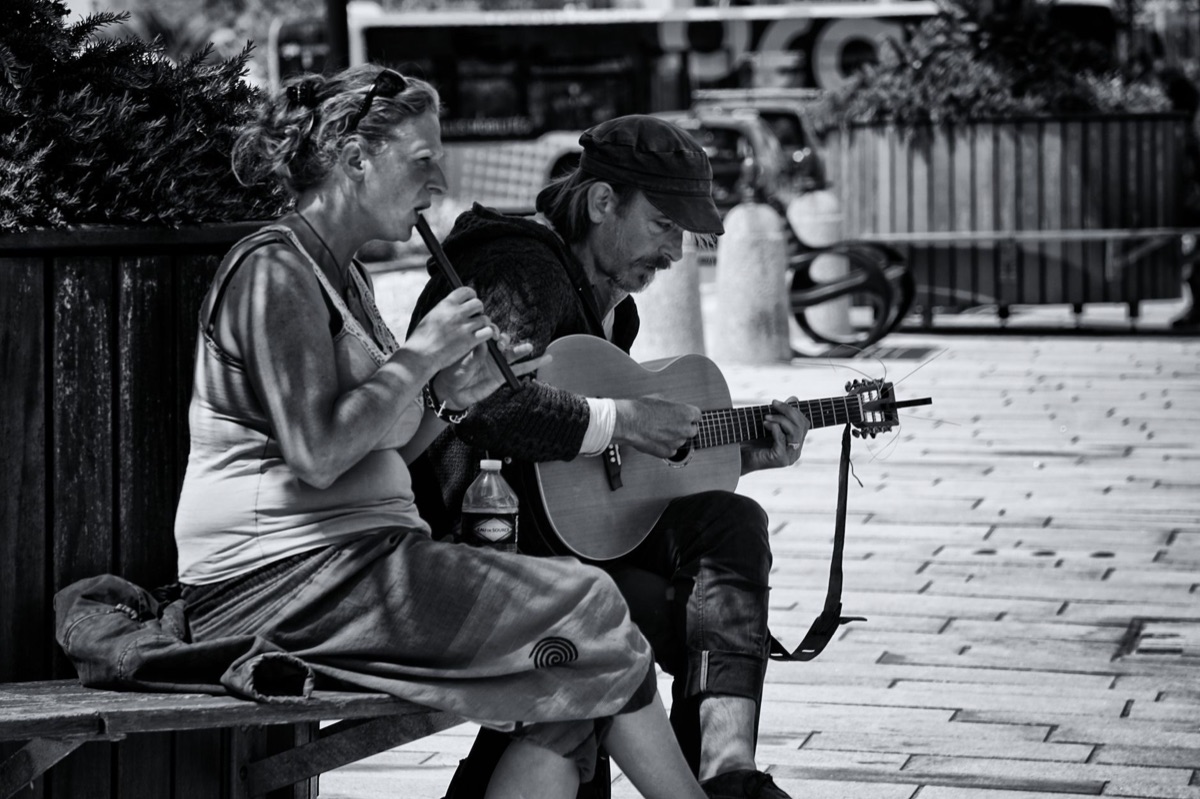
In a dimly lit studio in Koza at 11:00 PM, a producer layers a glitchy, electronic beat over the organic, percussative pluck of a *San-shin*, creating a soundscape that feels both ancient and futuristic.
The transition is seamless, bridging the gap between a grandfather’s porch and a global nightclub.
The crossover between traditional and modern is where the most exciting Okinawan music lives today. Contemporary artists are not just playing old songs; they are using the "Okinawan DNA"—those specific pentatonic scales and rhythmic structures—to compose ambient, jazz, and rock music.
This fusion ensures that the traditional sounds remain relevant to younger generations and global audiences alike.
While some musicians focus on pure preservation, others are radically modernizing the texture. You might hear a band use a traditional *sanshin* to lead a heavy rock track, or an ambient artist use the instrument to create meditative soundscapes.
In these works, the core identity of the music remains intact through its unique tonal qualities, even when the delivery method changes entirely. This prevents the culture from becoming a static relic, allowing it to evolve while staying rooted in its origins.
When I sat in a small jazz club in Ginowan last year, I watched a young woman struggle to balance her electric guitar with her grandfather's heirloom lute. It was a beautiful, clashing moment of generational transition.
However, finding the right balance between these worlds can be overwhelming for a visitor.
Tailoring Your Visit: Sacred Echoes vs. Tourist Soundtracks
Walking into a brightly lit souvenir shop in Kokusai Dori at noon, you hear a high-fidelity recording of a folk song playing on a loop, designed to make you feel "Okinawan" while you shop for magnets. It is a far cry from the raw, emotional resonance of a local festival.
Choosing how to experience Okinawan music depends entirely on your travel goals. Are you looking for a deep, transformative cultural immersion, or are you seeking a relaxed, ambient backdrop to your vacation?
| Experience Type | Best For... | What to Expect |
|---|---|---|
| Deep Immersion | History buffs & culture seekers | Small-scale local festivals, traditional tea houses, and ritual-based performances. |
| Modern/Curated | Casual travelers & music fans | Live music bars in Koza, modern fusion concerts, and urban venue performances. |
For those seeking deep immersion, look for local *Eisa* dance festivals or small community gatherings in northern villages. These are often tied to specific seasonal rites and offer a glimpse into the communal spirit of the islands.
For those preferring a more accessible experience, modern music venues in areas like Okinawa City (Koza) offer a vibrant mix of fusion and contemporary sounds that are easy to digest but still carry cultural weight.
But there is a risk in seeking too much authenticity too quickly.
Beyond the Sound: How Local Life Reflects Musical Depth
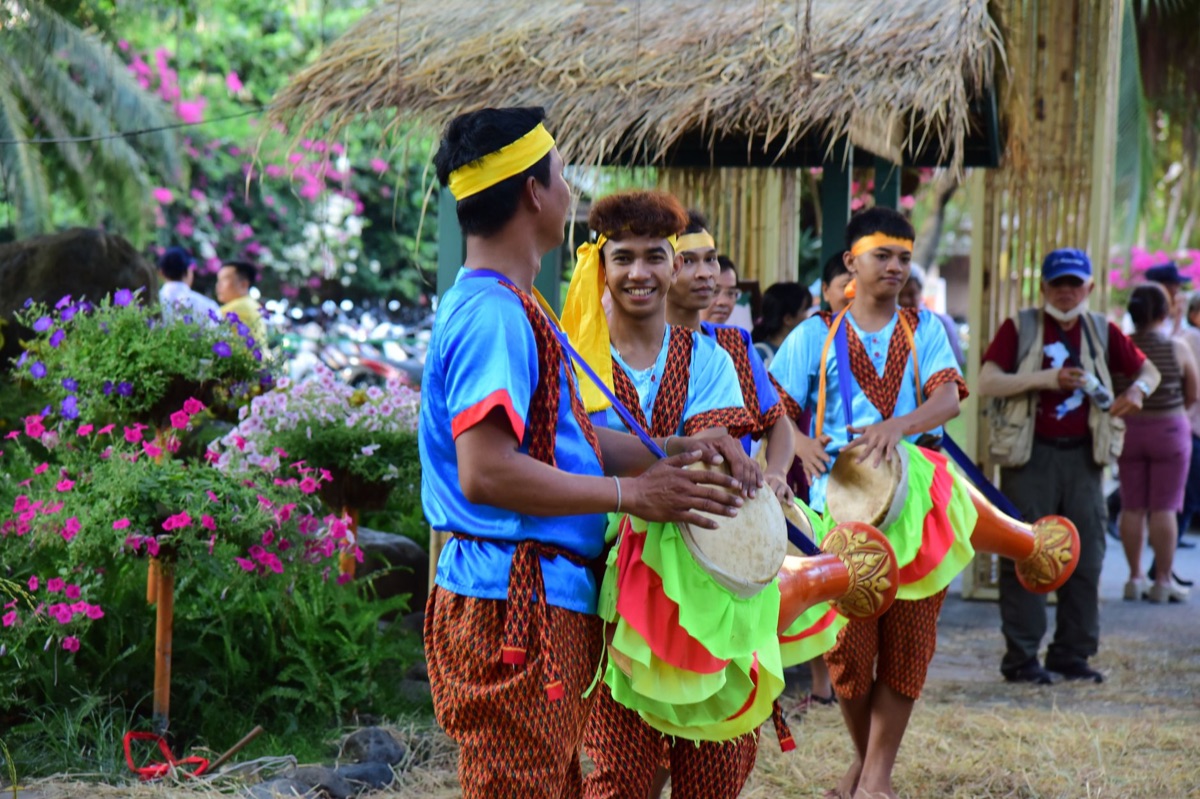
A group of elders sits on a stone wall in a small fishing village at sunrise, their laughter punctuating the rhythmic tapping of a drum during a casual practice session. The music is not a separate event; it is woven into the very fabric of their daily conversation and community structure.
The preservation of music in Okinawa is a testament to the resilience of its people. Throughout history, the local community has had to defend its identity against external pressures.
Music, much like the traditional food and the communal structure of the villages, acts as a pillar of social cohesion.
The continuity of these musical traditions mirrors the way local life is structured. Just as the *San-shin* melody follows specific, time-honored patterns, the social rituals of Okinawa—from honoring ancestors to celebrating harvests—provide a stable framework for the community.
This cultural depth is why the music feels so much more significant than simple entertainment; it is a reflection of a society that values continuity and collective identity.
Yet, there is a limit to how much of this can be experienced through a tourist lens.
Planning Your Journey: Integrating Culture into Your Itinerary
You stand at a crossroads in a quiet town in the late afternoon, checking your map and wondering if the local festival happening tonight is an opportunity for discovery or a private community event. The choice requires a balance of curiosity and respect.
When considering the economic landscape of your travel destination, it is noted that according to World Bank data, Japan recorded a GDP per capita of US$35,951 in 2025.
To integrate musical discovery into your itinerary, you must plan with intention. Do not expect to find the most authentic sounds in a major airport terminal or a large-scale theme park. Instead, aim for the following:
- Research Local Festivals: Check the local calendar for *Eisa* or seasonal shrine festivals. These are often the most authentic ways to hear music in its intended social context.
- Visit Cultural Hubs: Spend time in Naha or the northern regions where traditional crafts and music are still taught in community centers.
- Seek Small Venues: In urban areas, look for live music bars that host local musicians rather than large tourist-centric shows.
- Practice Respectful Engagement: When you encounter a ritual or a sacred performance, remember that you are a guest in a living space. Observe quietly and follow local etiquette regarding photography and participation.
Timing is everything. Many of the most profound musical experiences happen during specific seasonal shifts or at dusk. By aligning your travel with these rhythms, you move from being a mere spectator to a witness of a living culture.
It is important to note that some musical experiences are deeply private. In remote villages or during specific family rituals, photography may be considered disrespectful, and some ceremonies are not intended for public viewing.
Always prioritize the community's comfort over your own desire for a perfect recording.
#







Comments 0