Okinawa swimming season: How to ensure ocean safety
"The ocean is always there, but the safety of the water changes with the seasons and the environment."
Travelers should monitor local water quality and lifeguard availability to ensure a safe experience.
When is the best time to swim in Okinawa? A traveler stands on a sandy shore, watching the tide roll in under a bright sun. To plan a successful trip, you must understand that the Okinawa swimming season is not a single static date but a shifting window of warm water and active beach services.
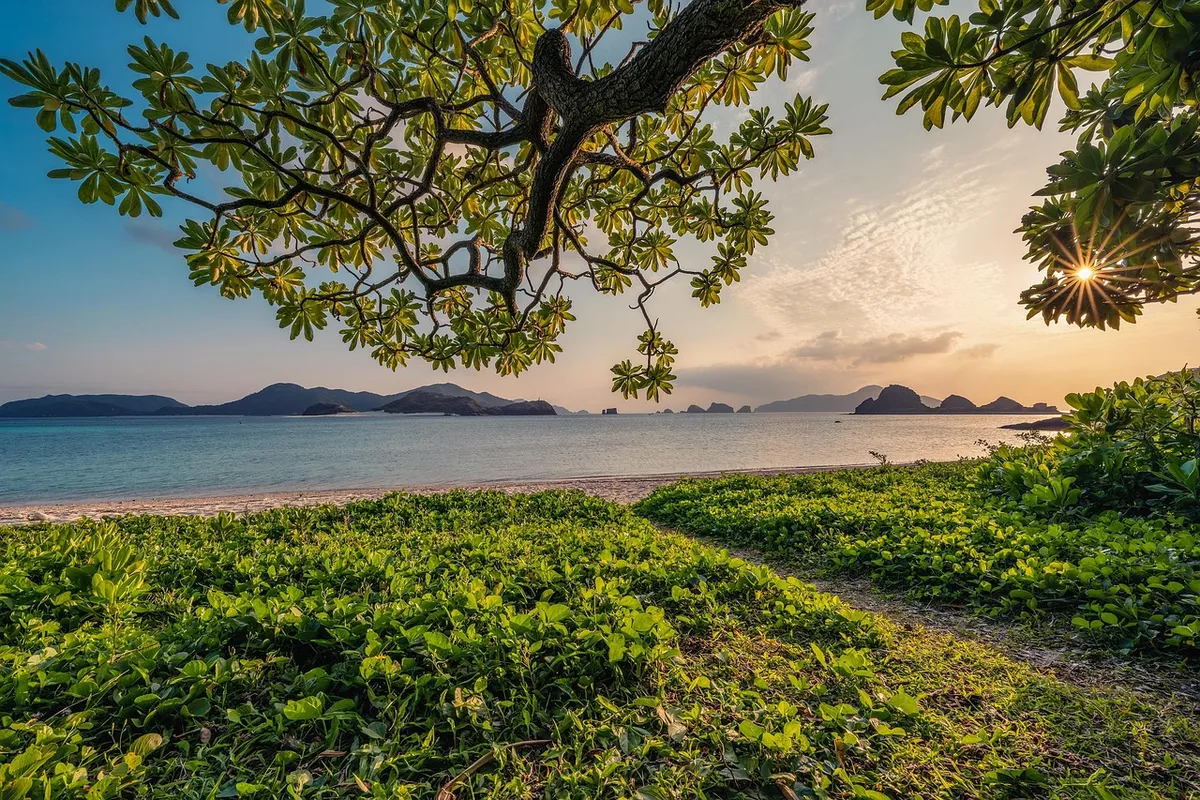
During this time, most coastal facilities are fully operational, providing the necessary infrastructure for visitors.
Choosing the right timing helps you avoid sudden weather shifts that might close certain areas.
During the height of summer, the heat is intense, making the ocean an inviting escape. However, the Okinawa beach season often begins as soon as the weather stabilizes in late spring, allowing for early arrivals.
How can I ensure a safe Okinawa swimming period? Okinawa swimming season
At dawn on the coast, I squint against the bright light while scanning the waves to plan a safe okinawa swimming period.
A person checks a local map before stepping into the surf. Planning a trip requires more than just packing a swimsuit; it requires understanding the specific conditions of the coast you intend to visit.
Safety depends heavily on local advisories and the presence of lifeguards. Just as travelers in other coastal regions might check a safe swimming map to plan their trip, visitors to Okinawa should look for local signage regarding currents or water quality.
An Okinawa beach opening usually signals that the area is monitored, but conditions can change instantly.
The Okinawa ocean season is subject to sudden changes due to typhoons or heavy rain. Even during the peak season, local authorities may issue advisely to restrict access to certain parts of the coast. Always check current local reports before entering the water to maintain a safe environment.
How do I check if the water is safe? I stand on the warm sand at midday, brushing salt from my eyes as I follow the steps for checking water safety in okinawa.
A hand brushes sand off a smartphone screen while looking at a local weather app. Before you dive into the waves, follow these essential steps to verify the safety of your chosen location.
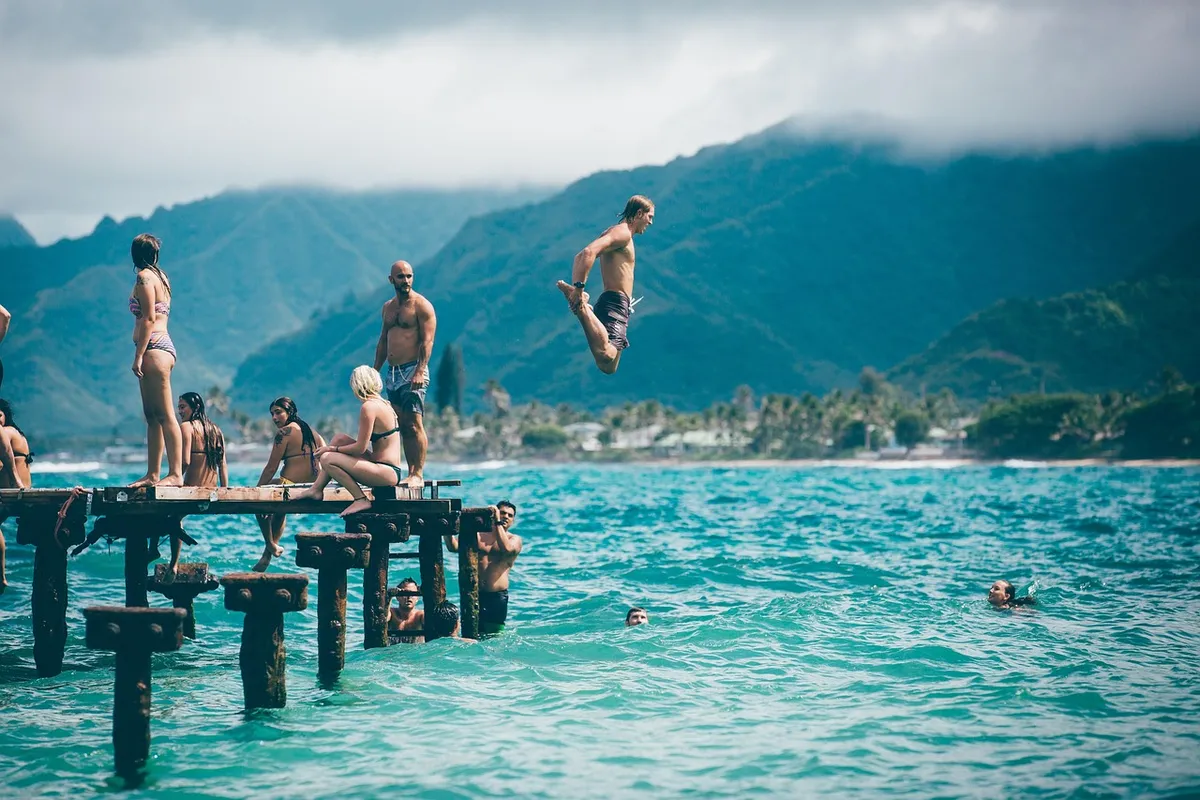
- Check the local weather forecast and tide tables to understand the strength of the waves and water movement. 2. Look for official signage at the beach regarding water quality or hazardous conditions. 3. Confirm that lifeguards are on duty and active at the site before entering the water.
I always make sure to verify the local status before I step into the surf. This simple habit ensures that the environment is suitable for the activities planned.
If you are visiting a remote area without lifeguards, the risks increase significantly. Always prioritize locations with active supervision to manage the risks of the Okinawa ocean season.
Comparing seasonal conditions and safety
A table helps clarify the differences between peak and shoulder seasons.
| Feature | Peak Summer | Shoulder Season |
|---|---|---|
| Lifeguard Presence | High | Variable |
| Water Temperature | Very Warm | Mild to Warm |
The peak of the season offers the most support but also the highest density of swimmers. The shoulder season offers quieter beaches but requires more caution regarding available services.
How to manage swimming with existing conditions?
A swimmer adjusts their goggles while feeling a slight chill in the air. If you have specific health considerations or are traveling with children, you must adapt your approach to the water.
For those sensitive to temperature, the transition between seasons can be tricky. It is wise to monitor the water temperature closely if you are not used to sudden changes.
- Verify the water temperature matches your comfort level and health needs. much as the Virginia Department of Health might issue a swimming advisory for specific beaches, you should be aware that local conditions can change. 2. Ensure all swimmers have appropriate sun protection and hydration. 3. Monitor the sky for sudden storm movements that could indicate changing conditions.
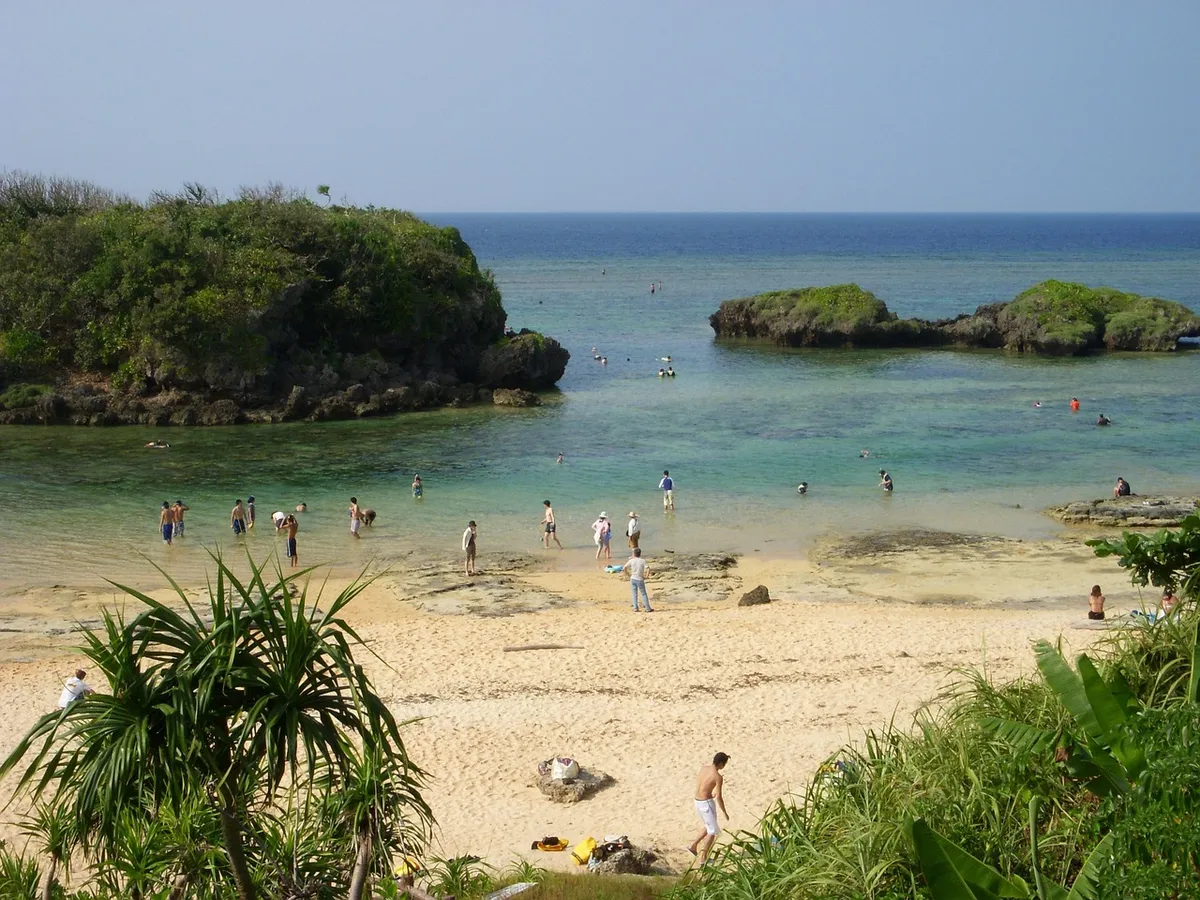
A final check of the local news or official beach announcements can prevent accidents.
- The Okinawa swimming season typically spans from late spring through early autumn, though specific safety depends on local advisories and weather conditions.
- This guide covers seasonal timing, checking water safety, and managing environmental changes to help you plan your trip effectively.
- While the water remains warm for much of the year, the peak period for beach life occurs during the summer months.
The subject here is Okinawa swimming season.
This part also covers Best months for Okinawa swim.
Related
- Guide: Okinawa culture record context and social structures
- How does visual history shape the local identity?
What if the ocean presents unexpected hazards?
The ocean, which is always there, can present unforeseen dangers even when conditions seem favorable. If you encounter unusual currents or discoloration in the water, exercise extreme caution.
According to World Bank data, Japan recorded a GDP per capita of US$35,951 in 2025.
Local advisories regarding the ocean conditions must always take precedence over personal assessment of the water quality.
- Observe the water movement carefully for any signs of unusual undertow or rip currents. 2. Heed any warnings posted by beach management regarding the ocean's current state. 3. If in doubt about the ocean's condition, refrain from entering until conditions improve and are cleared by officials.
This vigilance protects everyone enjoying the ocean environment.
Why is constant vigilance important for the ocean?
The ocean, which is always there, demands constant attention because its powerful nature does not pause for human schedules. Even when the surface appears calm, underlying forces within the ocean can shift rapidly.
This inherent variability means that a brief period of clear weather does not guarantee sustained safety for all bathers.
- Pay attention to subtle visual cues in the water before swimming. 2. Understand that the ocean's moods are independent of human presence. 3. Always defer to official warnings regarding the ocean's state.
This awareness protects against surprises when the ocean presents unexpected hazards. The ocean, which is always there, dictates the terms of engagement with its vastness.




Comments 0