What 7 days is the best itinerary for island hopping?
This guide is for travelers deciding between a brief island getaway and an extended maritime expedition. Choosing an Okinawa trip 3 days vs 7 days depends on whether you want a quick coastal snapshot or a deep immersion into remote island life. A short stay focuses on main hubs, while a longer duration allows for visiting remote islets and observing marine life like the whale shark. 1. 3-Day Strategy: Focus on high-density coastal activities and central island landmarks. 2. 7-Day Strategy: Prioritize island hopping, remote foraging spots, and slow-paced maritime exploration. 3. Key Constraint: Travel to remote islands is highly dependent on water temperature and seasonal weather.
How to plan an Okinawa trip 3 days vs 7 days?
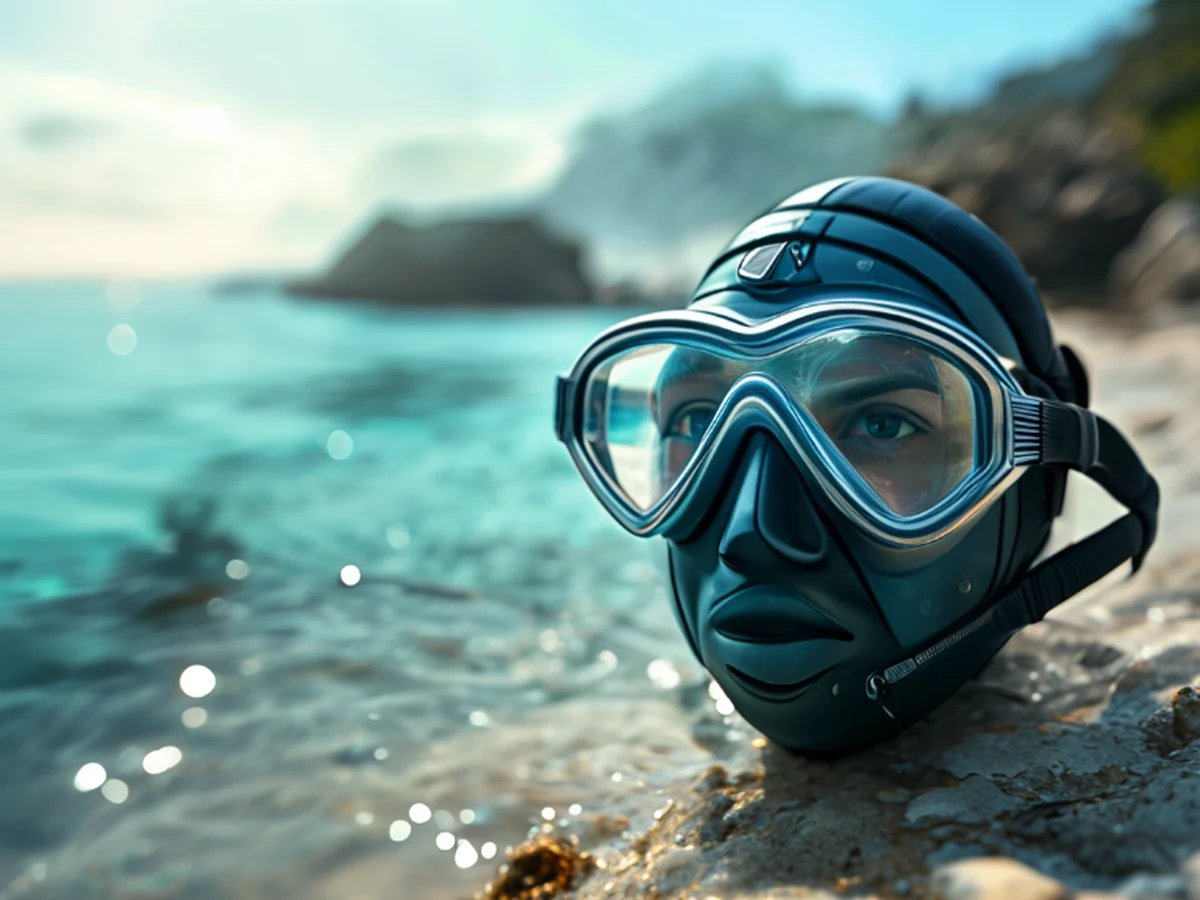
At noon on the sun-drenched pier, I trace my finger over the itinerary while the stinging salt spray hits my face.
A traveler stands on a sun-drenched pier, checking a ferry schedule while the scent of salt spray fills the air. Deciding on an Okinawa trip 3 days vs 7 days requires matching your energy to the geography. A short trip is best for those hitting the main beaches quickly.
According to World Bank data, Japan recorded international tourist arrivals of 4,115,800 in 2020.
For a short Okinawa travel plan, you should concentrate your movements on the primary islands to minimize transit time. This allows you to see the most famous sights without spending your entire vacation on a ferry.
You will likely spend most of your time near the main urban centers or popular resort stretches.
If you prefer a long Okinawa vacation ideas approach, you can venture toward the outer islands where the pace slows down significantly. This longer timeframe permits visits to areas where large marine species might be sighted.
You can move between different maritime environments rather than staying in one hotel.
What is the best itinerary for island hopping?
At sunset, I grip the wooden railing of the boat as the cold sea spray hits my skin while I scan my island hopping itinerary.
A small boat cuts through turquoise waves, heading toward a distant, uninhabited islet. Planning the best itinerary for island hopping involves balancing transit logistics with the specific biological rhythms of the sea. You must decide if you are chasing landmarks or chasing nature.
A 3-day itinerary is a sprint that usually covers only one or two major coastal zones. You might spend one day at a famous reef and the next exploring a local village. This prevents burnout but limits your exposure to the true "remote" experience of the archipelago.
A 7-day itinerary allows for a much more diverse experience. You can dedicate several days to specific marine habitats, such as those where whale sharks roam. This duration provides the necessary window to reach areas where these creatures might stay for an average of 24–33 days.
| Trip Duration | Primary Focus | Travel Intensity |
|---|---|---|
| 3 Days | Coastal Landmarks | High/Fast |
| 7 Days | Remote Island Hopping | Low/Immersive |

I once spent a week tracking the tides to see if I could catch a glimpse of the local giants, and that extra time made all the difference.
How to compare Okinawa trip duration?
While standing on the hot sand at noon, I squint my eyes and trace the lines of my itinerary to compare the trip duration.
The sun sets over a quiet harbor, casting long shadows across the empty docks of a remote village. When you compare Okinawa trip duration, you are essentially comparing convenience against depth. A short stay is a highlight reel, while a long stay is a full documentary.
A short stay might miss the subtle shifts in the ocean's activity. You might arrive just as the weather changes or the marine life moves to different depths.
For example, whale sharks are rarely found in water below 21 °C (70 °F), so a short trip during a temperature dip might result in zero sightings.
A longer stay offers the luxury of waiting for the right conditions. You can observe how the ocean changes over a week, potentially catching the "stutter steps" of deep-diving species. This deeper engagement is the hallmark of a successful long-term island expedition.
Can I see whale sharks during my visit?
A diver peers into the deep blue, watching for a massive silhouette moving through the light. Seeing a whale shark is a primary motivator for many travelers, but it requires specific environmental conditions. You cannot guarantee a sighting, regardless of your trip length.
The whale shark is a migratory species with an Indo-Pacific subpopulation that holds 75% of the entire whale shark population. Because they move through vast ranges, your timing must align with their presence. They are often found in warmer waters, specifically roaming between 30°N and 35°S.
To increase your chances, consider these steps:
- Check local water temperature reports to ensure it is above 21 °C (70 °F). 2. Consult local maritime guides regarding recent sightings in the Indo-Pacific subpopulation. 3. Book a multi-day excursion to allow for varying weather and sea states. 4. Verify the local depth and foraging patterns of the season.
A limitation of this pursuit is that sightings are highly subject to water temperature, as these animals are rarely found in water below 21 °C (70 °F).
How does the environment affect my trip?
The wind picks up, whipping sand across a deserted beach as the tide begins to retreat. Understanding the environment is crucial for both short and long stays. The ocean is not a static backdrop; it is a living, changing system that dictates your itinerary.
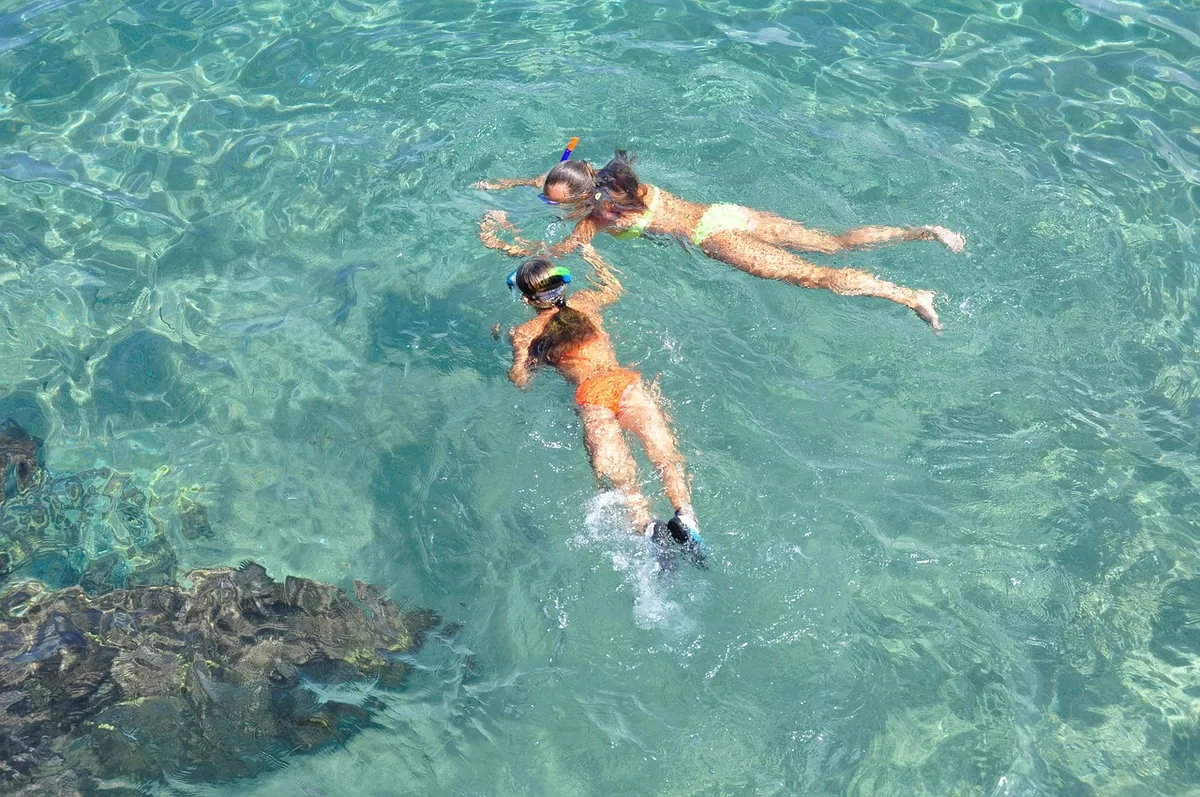
The biological reality of the ocean affects your ability to see certain species. For instance, the whale shark can process over 6,000 liters of water per hour through its specialized sieve-like gill pads.
This feeding behavior often happens at specific depths, such as the epipelagic zone (<200 metres (660 ft)).
If you are on a 3-day trip, you might miss these specific foraging windows. A 7-day trip gives you the flexibility to wait for the right time of day or the right tide. You are essentially waiting for the ocean to reveal its secrets.
The same subject is also called 3 day island tour.
The same subject is also called 7 day island journey.
This part also covers Planning Okinawa travel strategy.
Related








Comments 0