Miyako vs Ishigaki guide: Clear waters vs diverse activities
"The choice between remote islands often defines the entire character of a vacation, shifting from quiet turquoise waters to bustling local hubs."
Deciding between Miyako and Ishigaki requires weighing distinct natural landscapes against cultural accessibility. This guide compares the unique features of each to help you select the right destination for your specific travel needs.
* Choose Miyako for unparalleled coral reefs and clear blue water. * Select Ishigaki for diverse activities and easier transportation links. * Evaluate your preference for quiet relaxation versus active exploration.
How to make a Miyako vs Ishigaki guide decision?
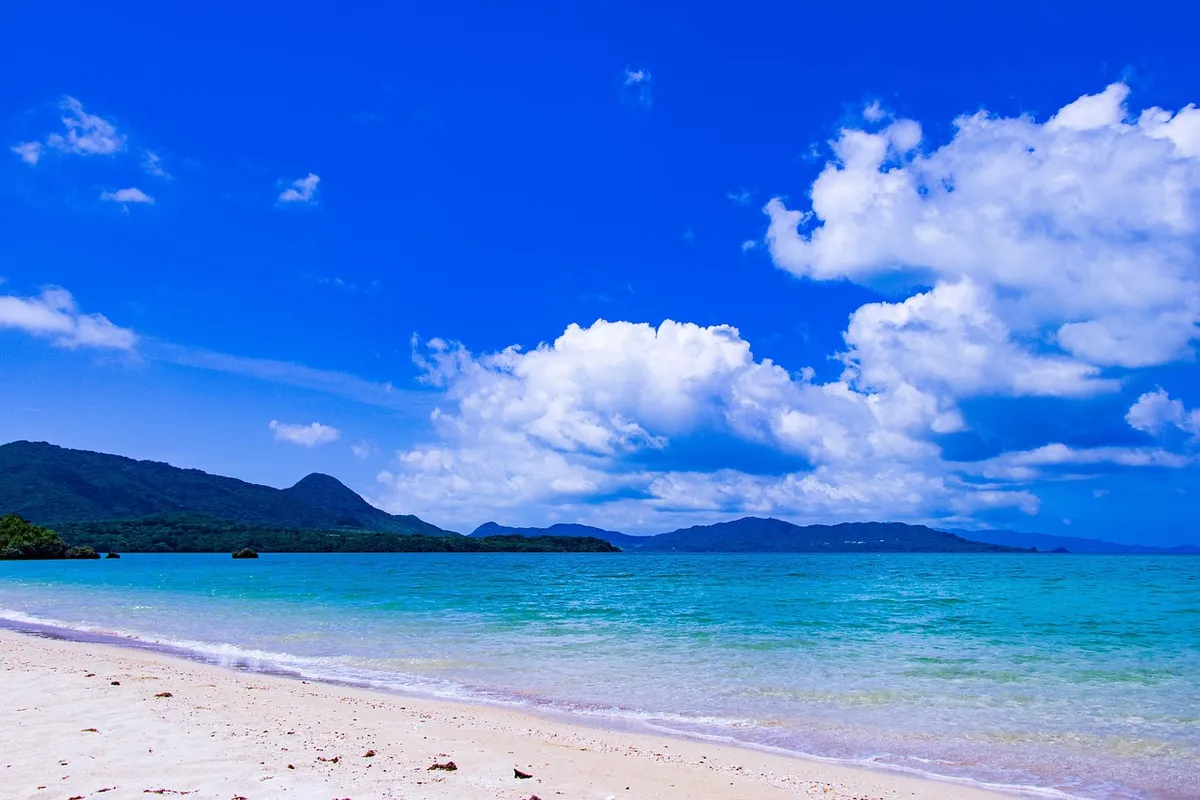
A traveler stands at a ferry terminal, looking at two different maps of the Okinawa archipelago. The decision rests on whether one seeks the stillness of a reef or the energy of a gateway island.
Making a Miyako vs Ishigaki guide decision involves identifying your primary goal for the trip. If your priority is the sheer clarity of the ocean, the unique underwater topography of one destination often takes precedence.
If you prefer a hub with more varied amenities, the other serves as a better base.
Choosing between islands depends heavily on the type of engagement you desire with the sea. Some travelers want to remain close to the shoreline, while others want to use an island as a jumping-off point for further exploration.
Remote island travel tips often suggest checking the frequency of local transport before finalizing your itinerary.
- Determine if you prefer turquoise sand flats or rugged volcanic landscapes.
- Assess your interest in snorkeling versus exploring highland scenery.
- Compare travel budgets based on flight accessibility and local accommodation types.
What defines the Miyako vs Ishigaki choice?
The sun hits the white sand, casting a bright glow over the shoreline as a traveler weighs the pros and cons of each location. The choice is between a specialized maritime experience and a multifaceted island adventure.
The Miyako vs Ishigaki choice is fundamentally a trade-off between specialized beauty and versatile infrastructure. One destination is famous for its unique reef structures and stunningly clear waters, making it a paradise for snorkelers.
The other acts as a central hub with more diverse dining, shopping, and transport options.
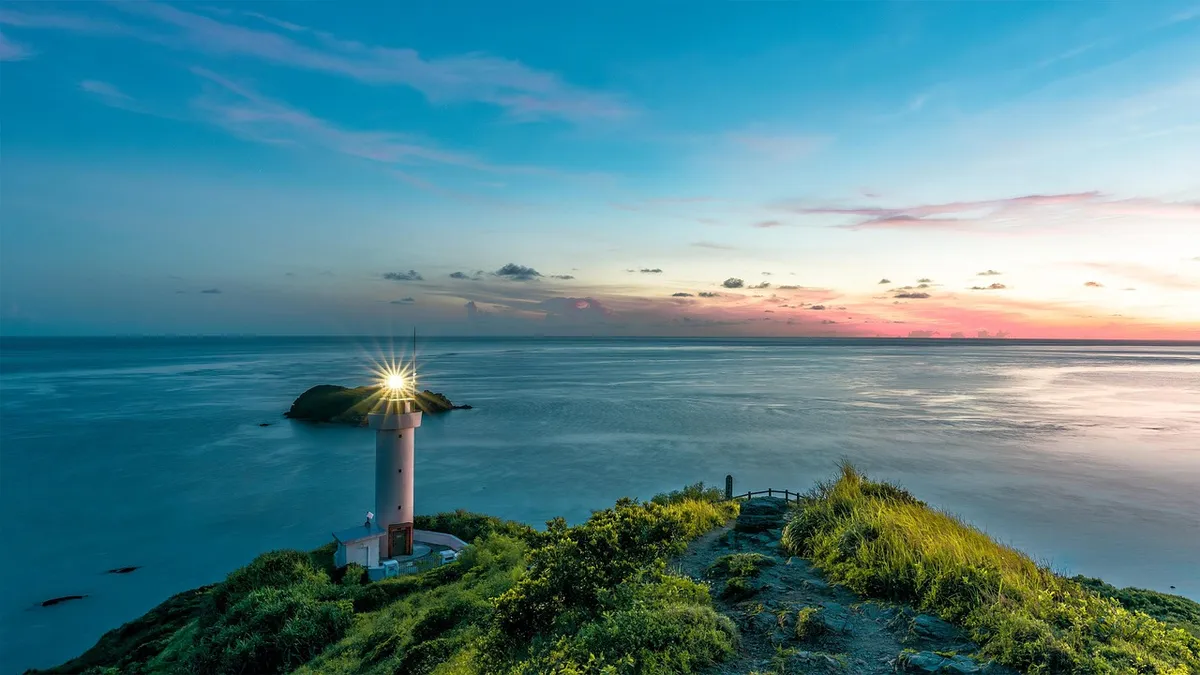
An effective island travel decision guide would note that the infrastructure levels differ significantly. While one island offers a more tranquil, focused environment, the other provides a broader range of activities including mountain hiking and cultural sites.
This distinction shapes the entire rhythm of your stay.
The choice essentially boils down to the distinction between Miyako's crystal-clear, shallow coral reefs and Ishigaki's role as a bustling hub for diverse island exploration.
Why consider the Okinawa island comparison?
A traveler looks out over a vast blue horizon, wondering if the current island offers enough variety for a week-long stay. The comparison focuses on how natural beauty meets human convenience.
In an Okinawa island comparison, the primary variables are water clarity and accessibility. One island is renowned for its "Miyako Blue" water, which provides a distinct aesthetic for those focused on diving.
The other offers a more robust connection to other islands in the Yaeyama group, making it a strategic choice.
When considering these differences, travelers must think about their preferred pace. Some might find the focused nature of a single-focus island refreshing, while others might find it limiting after a few days.
The ability to move between different environments is a key factor in long-term satisfaction.
Comparing these islands to the main Okinawa island helps travelers understand the trade-off between modern amenities and remote, natural isolation.
What are the best remote island travel tips for this region?
A backpacker adjusts their gear, looking at the ferry schedules and the weather forecast for the upcoming week. They are searching for the perfect balance of adventure and ease. According to the World Bank, Japan recorded international tourist arrivals of 4,115,800 in 2020.
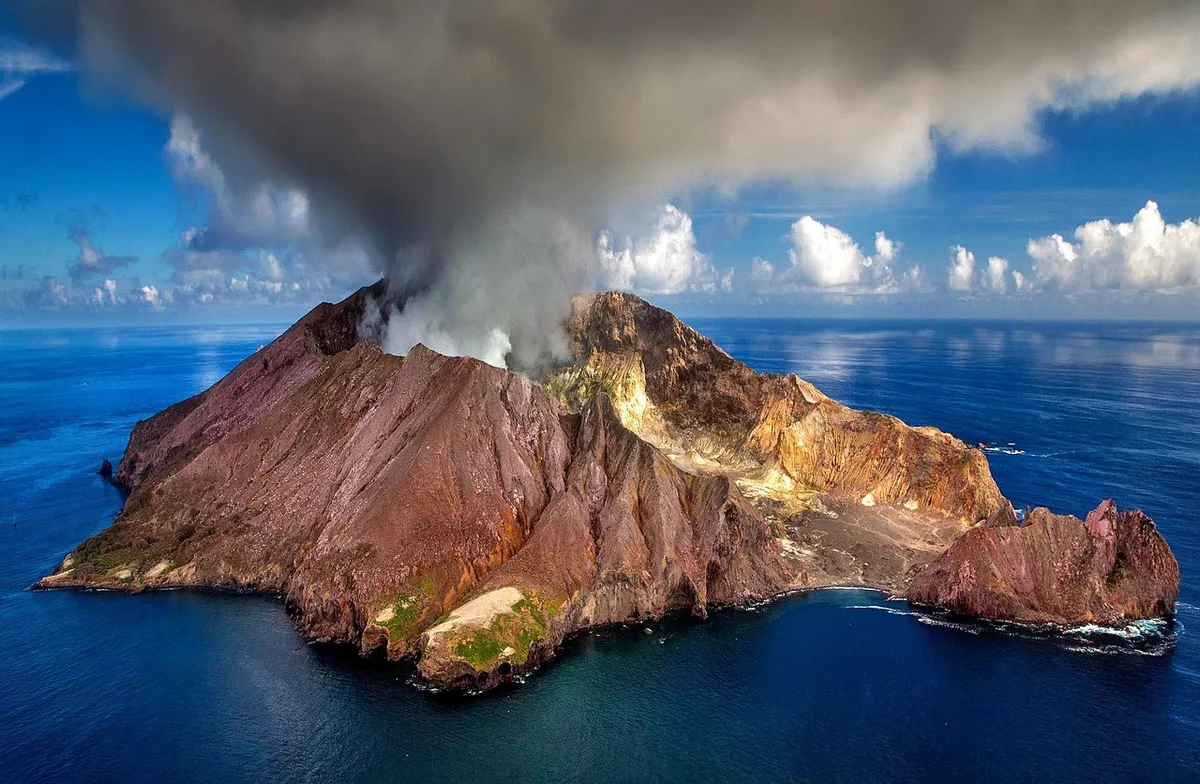
Effective best remote island travel tips involve understanding the seasonal weather and the logistics of moving between smaller islets. For a Miyako vs Ishigaki features analysis, one must look at how the geography dictates the daily itinerary.
One location is more of a destination in itself, while the other is a gateway.
The differences in geography mean that one island might require more rental car usage to see the main sights, whereas the other might offer more concentrated attractions. Travelers should prepare for the specific logistics of the island they choose, such as ferry availability or road conditions.
Always carry cash for local shops, book ferry transportation in advance, and pack high-SPF sunscreen to protect against the intense subtropical sun.
How to navigate the island travel decision guide?
A traveler sits in a small cafe, checking a guidebook to see which island offers the best way to reach remote beaches. They are mapping out the logistics of their journey.
An island travel decision guide should address the logistical reality of island hopping. If you choose the hub-based island, you can easily visit neighboring islands via ferry. If you choose the reef-focused island, you are likely to spend more time on the main landmass.
I found that checking the local transport availability was the most decisive factor in my own planning. Having a clear understanding of how to move around ensures that the beauty of the islands is not overshadowed by travel fatigue.
Use this guide to weigh the importance of beach quality against the convenience of nightlife and shopping infrastructure.
Analyzing the Miyako vs Ishigaki features
A traveler compares two different travel brochures, one showing deep blue reefs and the other showing a bustling town center. The comparison is visual and practical.
| Feature | Focus Area | Primary Benefit |
|---|---|---|
| Reef-Centric | Underwater clarity | World-class snorkeling |
| Hub-Centric | Island hopping | Access to multiple islands |

The table above illustrates how the two destinations serve different traveler archetypes. One focuses on the specific beauty of the sea, while the other focuses on the breadth of the archipelago.
A limitation of this comparison is that specific weather conditions or local events can change the accessibility of certain sites. For instance, certain reef areas may be less accessible during specific seasons, which is not captured in a general comparison.
Miyako is characterized by its unique 'Miyako Blue' ocean, while Ishigaki offers a more central gateway with diverse activities ranging from hiking to star gazing.
The same subject is also called Miyako or Ishigaki choice.
Related





Comments 0