Okinawa Ryokan vs. Resort: Find Your Perfect Island Stay
"Is your Okinawa trip calling for deep cultural immersion or a luxurious modern escape?"
Deciding between a traditional Ryokan and a modern Resort is the difference between living inside a piece of history and living inside a dream of the future. One offers a quiet seat at the table of the Ryukyu Kingdom, while the other offers a front-row seat to the blue horizon of the Pacific.
* Ryokan Focus: Prioritizes deep immersion into Ryukyuan culture, quiet tranquility, and curated, multi-course local dining. * Resort Focus: Prioritizes modern amenities, large-scale activities like massive pools and private beaches, and family-friendly convenience. * Decision Point: Choose a Ryokan for slow travel and cultural reflection; choose a resort for high-energy relaxation and group activities. * Planning Tip: Your choice of base—the urban energy of Naha versus the coastal expanses of the North—will largely dictate which style of lodging you encounter.
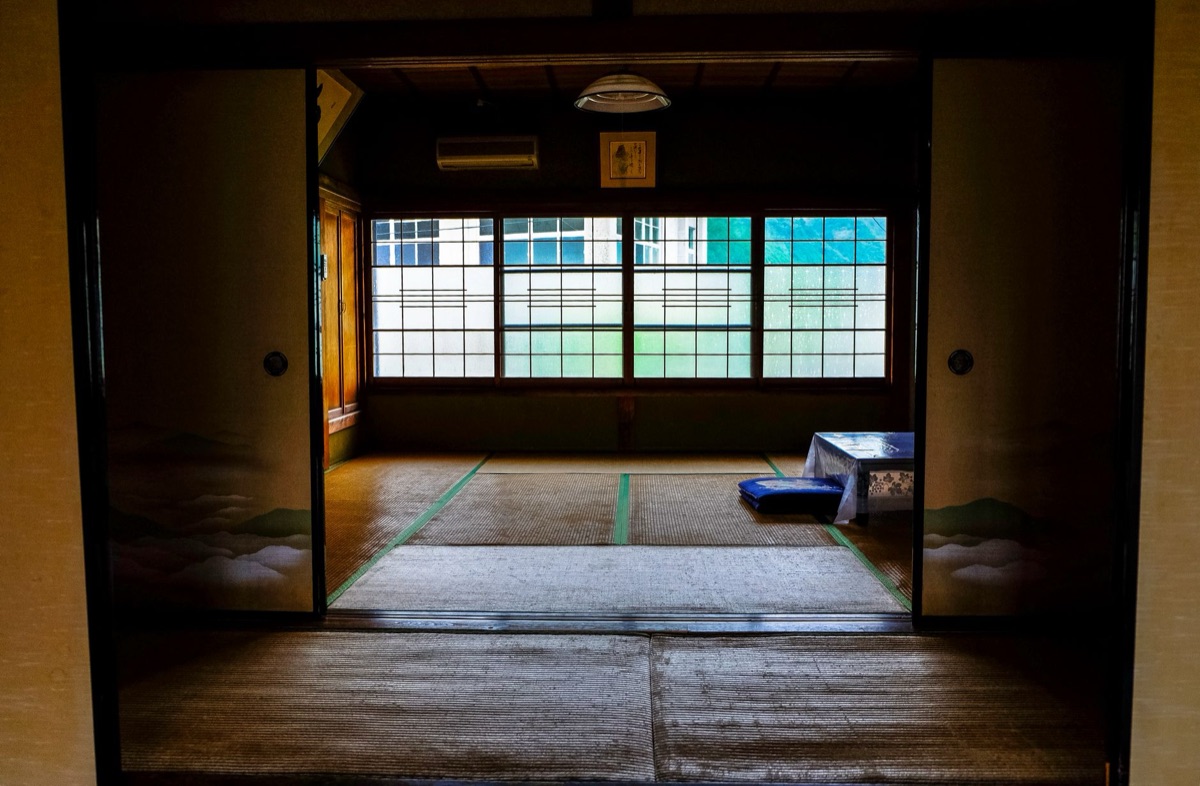
How can I experience authentic immersion in an Okinawa ryokan? The smell of fresh tatami mats greets you as you slide back a heavy wooden door, the sound of the outside world instantly muffled by thick paper screens. According to World Bank data, Japan recorded international tourist arrivals of 4,115,800 in 2020.
In the quiet of a traditional Ryokan, the passage of time feels different, measured by the changing light on the floor rather than the ticking of a clock.
I remember sitting on a low stool in a small Naha guest house in late 2025, watching the shadow of a bamboo branch move across the floor. The stillness was so heavy it felt like a physical presence in the room.
A Ryokan in Okinawa is an intentional nod to the heritage of the Ryukyu Kingdom, focusing on the spirit of hospitality known as *omotenashi*.
Unlike the sprawling Western-style hotels, these accommodations are often smaller in scale, utilizing traditional architecture that emphasizes natural materials like wood and straw. The atmosphere is one of quietude, designed to let you breathe in sync with the local environment.
Dining in a Ryokan is an event in itself, typically centered around *kaiseki*—a multi-course meal that serves as a seasonal tribute to the land.
In Okinawa, this means you aren't just eating; you are tasting the history of the islands through locally sourced ingredients like *Agū* pork, bitter melon (*goya*), and fresh seafood caught that very morning.
The meal is a choreographed ritual, often served in your private room to maintain the sanctity of the space. This style of lodging is perfect for the traveler who views travel as a way to slow down.
It is for the person who wants to wake up to the sound of wind through the trees and spend the afternoon reading, rather than rushing to a pool deck.
If you are looking for a way to connect with the soul of Okinawa, the Ryokan is your gateway. But what happens when you want more than just quiet contemplation?

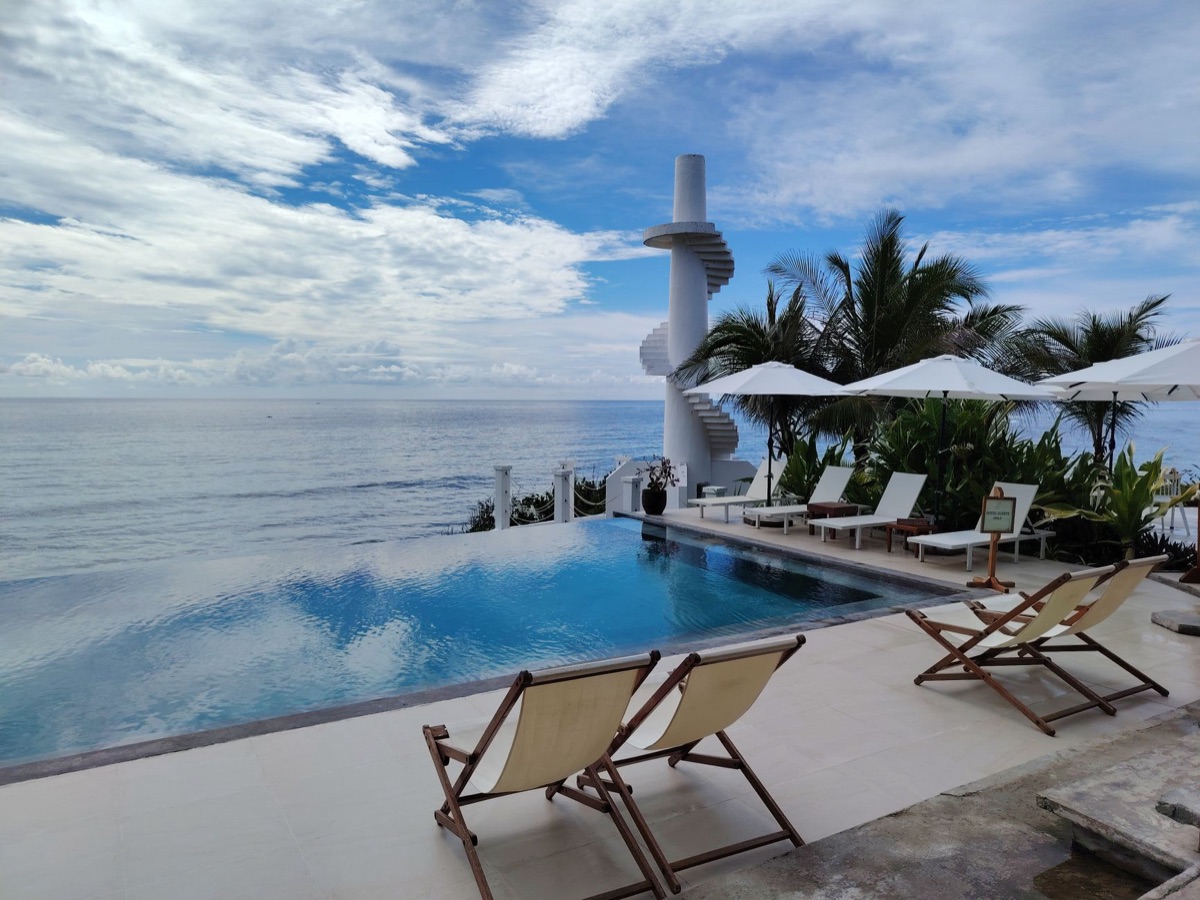
Can I find modern comfort and activities at an Okinawa resort? The sun reflects off the turquoise water of a massive infinity pool, and the air is filled with the sounds of splashing children and upbeat tropical music. You step out of a glass-walled suite directly onto a private balcony, looking out over an endless stretch of white sand and blue sea.
Okinawan resorts are designed as self-contained worlds of leisure. Built to accommodate the needs of international travelers and large families, these properties focus on scale and variety.
You will find expansive swimming pools, dedicated kids' clubs, water sports centers, and sprawling gardens that make it easy to forget the outside world entirely.
While a Ryokan focuses on a single, curated dining experience, a resort offers a buffet of choices. You might have a high-end steakhouse for one night, an international buffet for the next, and a casual poolside cafe for lunch.
This variety is a major draw for those traveling in large groups or families with different tastes and schedules.
Resorts are the ideal choice for travelers whose primary goal is active relaxation. If you want to spend your days snorkeling, paddleboarding, or lounging by a pool while your children are entertained by professional staff, the resort model provides the infrastructure to make that effortless.
It is a high-energy, high-comfort way to experience the islands.
However, choosing between these two worlds isn't just about the building you sleep in. It is about how you move through the island itself.
🗺️ Side-by-Side Comparison: Ryokan vs. Resort
To help you decide, let's look at how these two worlds stack up against one another across the most important travel categories.
| Feature | Ryokan (Traditional) | Resort (Modern) |
|---|---|---|
| Primary Goal | Cultural immersion & quiet reflection | Relaxation & high-activity leisure |
| Pace of Travel | Slow, intentional, and meditative | Fast-paced, amenity-driven, and social |
| Dining Style | Curated, multi-course local feasts | Diverse, buffet-style, and international |
| Room Vibe | Tatami mats, futons, and minimalist decor | Western beds, spacious layouts, and tech-heavy |
| Best For | Couples, solo travelers, and culture seekers | Families, large groups, and sun-seekers |
When making your choice, ask yourself: Do I want to be a guest in a local way of life, or do I want a base of operations for my adventures? A Ryokan requires you to adapt to its rhythm—removing shoes, sleeping on futons, and following specific meal timings.
A Resort is designed to adapt to you, offering the comforts of Western-style living with a tropical backdrop. But where you place your luggage in Okinawa can change everything.
🧭 Choosing Your Base: Location Matters
Driving through the winding coastal roads of the north in a rental car, you realize that the geography of Okinawa dictates the lodging you will find. In some areas, the mountains meet the sea, while in others, the urban sprawl of the city provides a different kind of energy.
The Naha area is the heartbeat of the island, where the history of the Ryukyu Kingdom is most palpable. In the city, you are more likely to find boutique accommodations and smaller, high-end Ryokans that allow you to walk to local markets or visit Shuri Castle.
Staying in Naha means you are close to the transit hubs and the unique urban culture of Okinawa, making it an excellent base for those who want to explore the island's history through day trips.
In contrast, the Northern Coast (Yanbaru) and the central coastal areas are the kingdoms of the modern resort. This is where you will find the massive, luxury properties that own the coastline. These locations offer the best access to pristine beaches and world-class diving spots.
However, staying in a northern resort often means you are further from the city life, making the stay itself a primary destination rather than just a place to sleep. Consider your transportation.
If you are renting a car to explore the remote corners of the island, a resort in the north might be your perfect hub. If you prefer to use the Yui Rail or public transit to move through the city, a Naha-based stay is much more practical.
| Location | Typical Accommodation Type | Best For... |
|---|---|---|
| Naha / City Center | Boutique hotels, small Ryokans | History, shopping, and easy transit |
| Northern Coast | Large-scale luxury resorts | Beach activities and nature immersion |
| Southern Coast | Mix of traditional and modern | Cultural sites and local atmosphere |
So, how do you actually make the final call?
💡 How to Choose the Right Stay for You
Selecting your accommodation is a balance of budget, group dynamics, and personal interest. Use this checklist to narrow down your options.
- Identify your group size: Are you traveling solo or as a couple (Ryokan) or with a group of six (Resort)?
- Define your "must-have" amenity: Do you need a massive pool and kids' club (Resort) or a private hot spring and quiet garden (Ryokan)?
- Assess your dining preference: Do you want a structured, chef-led culinary journey (Ryokan) or the freedom of a buffet and multiple restaurant options (Resort)?
- Check your mobility: Will you be staying in one place (Resort) or moving between different cultural sites (Naha/Ryokan)?
- Consider the season: In the heat of summer, a resort's pool is a lifesaver; in the cooler months, a Ryokan's warm atmosphere is much more inviting.





Comments 0