Okinawa Coastlines: Tracing 1000-Year Shifts in Island Life
"The salt in the air carries more than just the scent of the sea; it carries the weight of generations of survival and the shifting tides of history."
The identity of Okinawa's coastal villages is a tapestry woven from the blue of the Pacific and the red of the local soil, forever changing yet stubbornly anchored to its roots. To understand these communities, one must look past the luxury resorts and see the layers of history beneath the sand.
* Deep Cultural Roots: Coastal life was historically defined by a symbiotic relationship with the ocean, influencing everything from architecture to spiritual rituals. * Modern Shifts: Much of the traditional way of life has been reshaped by modernization, tourism, and significant geopolitical shifts. * Resilience of Tradition: Despite external pressures, elements like *Eisa* drumming and unique culinary preservation remain central to local identity. * Modern Challenges: Demographic shifts and large-scale land changes present ongoing hurdles for the continuity of traditional village life.
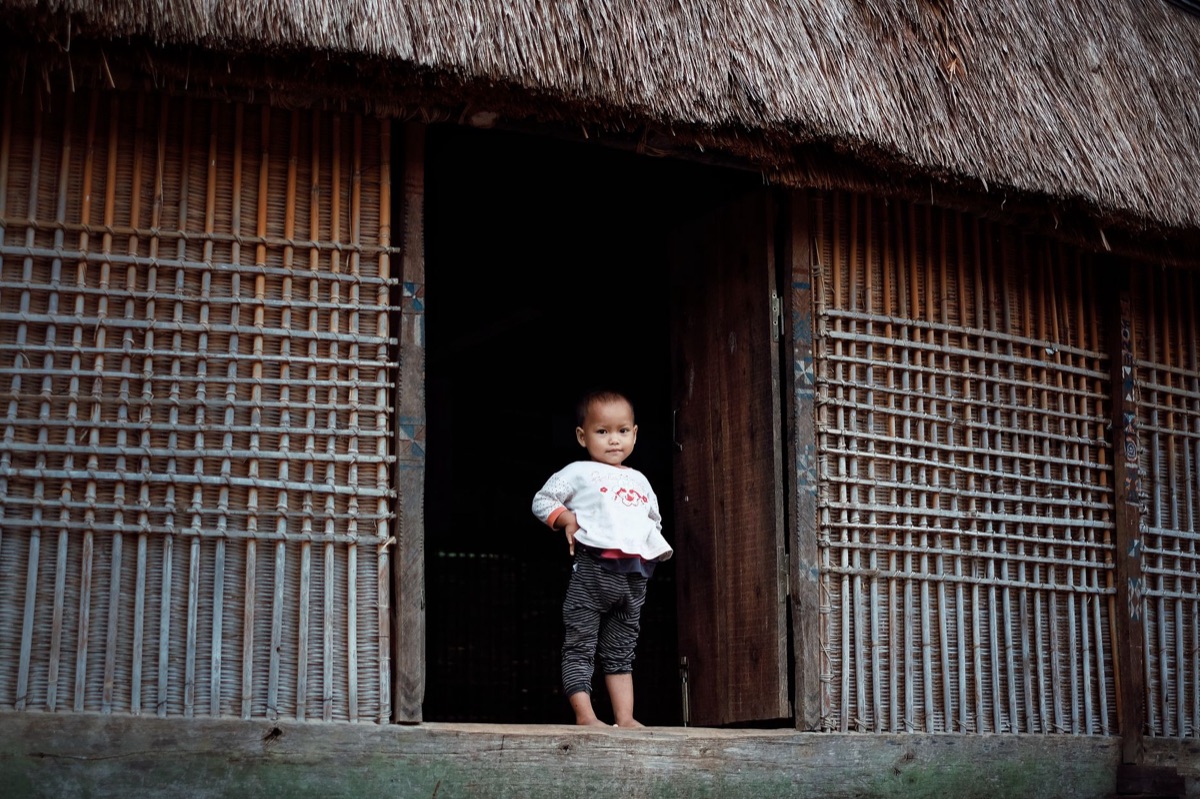
What was life like in the old seaside villages? The sun rose over a horizon where the line between the sky and the sea felt almost non-existent, and the sound of rhythmic rowing was the heartbeat of the morning. In these early days, the ocean was not a playground but a provider, a source of sustenance that dictated the rhythm of every household.
Villages were often built with a specific orientation to the wind and the waves, utilizing stone walls and low-slung structures designed to withstand typhoons. In the 1920s, a typical family might rely on a single small boat and a hand-woven net to feed a household of six.
The Ryukyu Kingdom's influence meant that these communities were part of a sophisticated maritime trading network, where salt production and fishing were more than just jobs—they were the foundation of a social hierarchy.
Food was a matter of careful preservation. Because of the humid climate, villagers mastered techniques to salt, dry, and ferment seafood, creating a diet that was both local and lasting.
During festivals, the energy of the *Eisa* dance—a traditional folk dance often performed during the Obon season—would shake the very ground of the coastal settlements, serving as a spiritual connection to ancestors who had also lived by the sea.
The transition from a kingdom to a modern prefecture brought changes that were often as sudden as a summer storm.
How do I navigate modernization vs. tradition? A group of travelers stands on a paved pier, looking out at a coastline that looks vastly different from the sketches in a history book.
Where once there were only natural reefs and sandy inlets, there are now concrete sea walls and sprawling developments designed to protect and house a growing population.
The shift from a primary economy of fishing and agriculture to a service-based economy driven by tourism has fundamentally altered the social fabric. While tourism brings prosperity, it often creates a tension between preserving authentic culture and catering to global visitors.
The traditional fisherman's life has often been replaced by the hospitality professional's schedule.
Physical changes to the landscape have also been profound. Since 1972, over 1,000 hectares (approximately 2,500 acres) of land has been added via reclamation projects, representing about 0.83% of the island's total area.
This expansion of usable land has reshaped the coastline, often at the expense of the natural habitats that once supported traditional fishing methods. These changes represent a permanent shift in how the community interacts with the water.
The tension between the old ways and the new realities defines the current era.
The Voices of Today: How Locals Maintain Continuity
A young woman in a modern cafe carefully prepares a traditional Okinawan soup, using a recipe passed down through four generations of her family. She is part of a growing movement of locals who seek to blend contemporary lifestyle with ancestral wisdom.
In many villages, the younger generation is finding ways to make tradition relevant in a digital age. This might look like using social media to promote sustainable local fishing or adapting traditional crafts into modern design.
While the demographic reality often sees younger people moving to larger cities like Naha, those who stay often act as the custodians of local knowledge.
Local businesses that focus on "slow food" or traditional crafts serve as vital anchors for community identity. These are not mere tourist attractions; they are living expressions of a culture that refuses to be entirely eclipsed by modernization.
When I walked through a small fishing hamlet in 2025, I noticed how the smell of drying seaweed still hung in the air, even as high-speed internet cables ran alongside ancient stone paths. It was a jarring but beautiful reminder of the overlap.
The challenge remains in balancing this heritage with the economic necessity of a modern lifestyle.
The landscape itself acts as a silent witness to these shifting tides.

The Physical Landscape: A Living Archive
Walking along a rugged coastline, you can see where the natural coral reefs meet the sharp edges of man-made breakwaters. The geography of Okinawa is a living record of both natural forces and human intervention.
The original coastal features—the reefs, the lagoons, and the unique geological formations—were the original architects of village life. They provided natural protection and nurseries for fish. Today, many of these features are under pressure from both environmental changes and development.
The contrast between the pristine natural beauty and the heavy infrastructure required for modern living is a constant visual reminder of the island's transformation.
The scale of land use has changed significantly. While the original villages were small and tightly knit, modern development often spreads horizontally, sometimes encroaching on the very coastal ecosystems that define the region.
This tension between development and conservation is a central theme in the management of the island's geography.
The broader history of the island provides the context for these local changes.
Echoes of the Wider Context
A heavy transport plane flies low over the coastline, its shadow momentarily darkening a quiet seaside street. The presence of large-scale infrastructure and external influences is a constant backdrop to the daily lives of Okinawans.
According to World Bank data, Japan recorded international tourist arrivals of 4,115,800 in 2020.
The history of Okinawa is inextricably linked to larger geopolitical movements. The presence of various installations and the historical impact of the post-war era have shaped the economy and the physical layout of the islands.
For example, military bases in Japan are heavily concentrated in or around Okinawa, with these installations accounting for roughly 4% to 5% of the island's economy.
These external factors have often dictated the direction of local development and the availability of land. The struggle to balance local needs with national and international strategic interests is a recurring theme in the history of the islands.
Understanding the local village life requires acknowledging this larger, often complex, political reality.
| Feature | Traditional Coastal Life | Modern Coastal Life |
|---|---|---|
| Primary Economy | Fishing, Salt, Maritime Trade | Tourism, Service Industry, Retail |
| Architecture | Low-slung, stone-based, wind-resistant | Reinforced concrete, high-rise resorts |
| Land Use | Natural coastline, small settlements | Reclaimed land, large-scale development |
| Social Rhythm | Dictated by seasons and tides | Dictated by tourism cycles and schedules |
How to Experience Authentic Coastal Culture
If you are traveling to the islands and want to connect with the heritage without feeling like a mere spectator, follow these steps:
- Travel North: Head toward the Yanbaru region or the northern coastal stretches to find villages that have retained more of their original layout compared to the southern hubs.
- Visit Local Markets at Dawn: Instead of midday shopping, visit the docks or local fish markets between 5:30 AM and 7:00 AM to see the primary economy in action.
- Support Small-Scale Artisans: Look for workshops specializing in traditional ceramics or weaving rather than souvenir shops in major shopping malls.
- Respect the Environment: When visiting coastal heritage sites, stick to marked paths to prevent erosion of the sensitive coral-based soil.
#






Comments 0