5-Day Trip vs. Weekend: Tailoring Gear for Okinawa
"Packing for the islands isn't just about fitting clothes in a suitcase; it's about preparing for a landscape that changes from coral reefs to rugged cliffs in a single afternoon."
If you are planning a trip to the Ryukyu archipelago in 2026, your gear list must be as versatile as the islands themselves.
Whether you are cruising the coastline of the main island or taking a ferry to a remote islet, the right equipment ensures you spend your time exploring rather than troubleshooting.
Key Takeaways: * Tailor your gear based on your specific itinerary, such as a coastal drive versus a remote island trek. * High-SPF sun protection and water-specific gear are non-negotiable for the subtropical climate.
* Pack versatile clothing that respects local cultural sites while handling humidity. * Ensure your rental car and tech essentials are ready for long-distance island navigation.

✈️ Before You Go: Why is planning so much harder than it looks?
The sun hits the dashboard of a rental car at 10:00 AM, reflecting off the turquoise water as you look at a paper map of the Kerama Islands. You realize that the gear you packed for a city stroll won't quite cut it for this maritime adventure.
According to World Bank data, Japan recorded international tourist arrivals of 4,115,800 in 2020.
When I first planned a trip to this region in 2025, I underestimated how much a 2-hour ferry ride could change my needs compared to a stay in Naha. You must first decide on your scope.
A short 2-night stay on the main island requires much lighter luggage than a 5-day expedition involving ferries to outlying islands like Miyako or Ishigaki.
Because the geography of Okinawa is vast—located 500 km northeast of Taiwan—your gear needs will shift depending on whether you are staying in Naha or heading to the northern reaches of Cape Hedo.
Island selection is the first step in your gear strategy. For example, a trip to the main island might focus on historical sites like Shuri Castle, requiring more casual but respectful attire. In contrast, a trip to the remote islands often involves rugged terrain and more intense water activities.
Because the scale of tourism can be massive—with 9,842,400 tourists visiting Okinawa in 2018—the infrastructure is great, but remote areas still require self-sufficiency.
* Itinerary Mapping: Match your luggage weight to your transport method (ferry vs. car). * Logistics Check: Confirm if you need heavy-duty walking shoes or just light sandals. * Packing Strategy: Choose gear based on whether you are visiting urban Naha or wilder northern coasts.
The transition from planning to packing begins with understanding the elements you will face.
☀️ Sun, Sea, & Swim Gear: How do you master the underwater experience?
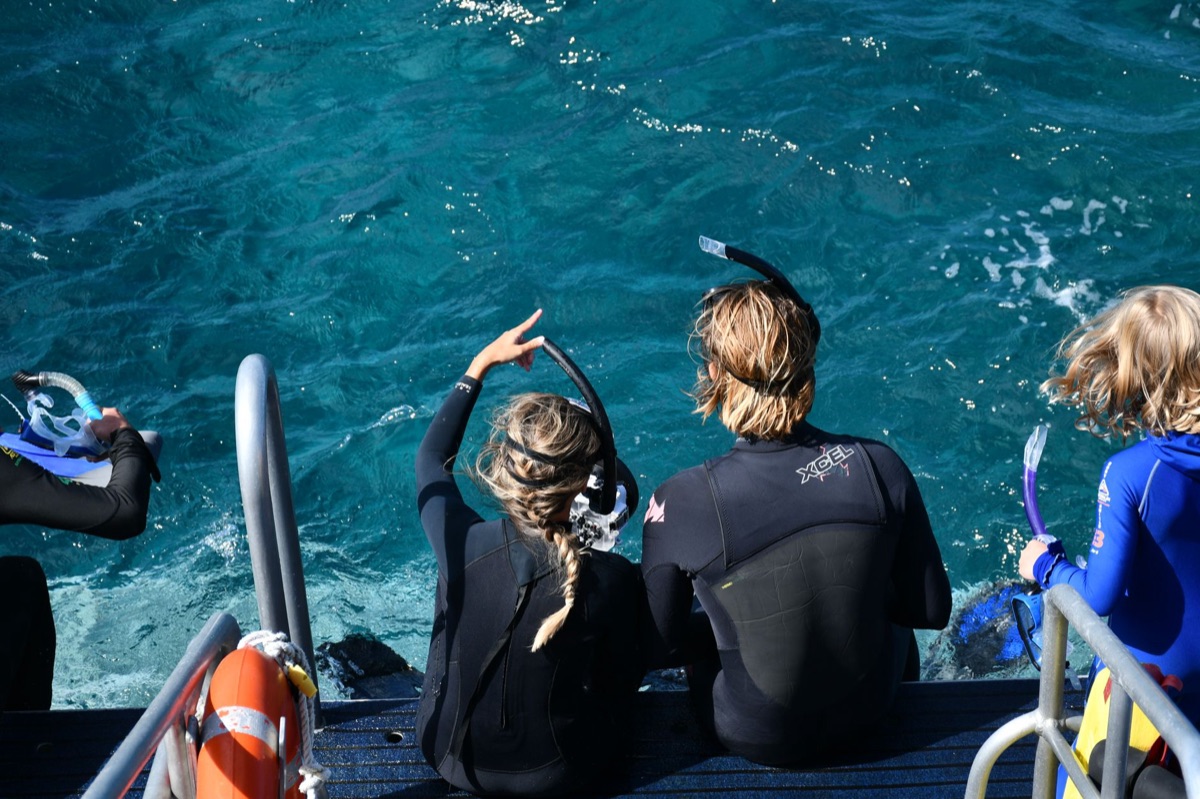
The salt air clings to your skin, and the midday sun feels heavy against your shoulders as you stand on the edge of a limestone pier. You reach for your snorkel mask, realizing that without proper protection, the beauty of the reef could lead to a painful sunburn.
Water is the centerpiece of any Okinawa trip. If you plan on snorkeling or diving, you need high-quality, well-fitting masks and fins. While many local shops rent this equipment, bringing your own mask can prevent leaks and ensure a perfect seal.
For deep-sea excursions, you might need more specialized gear, but for coastal swimming, a reliable life vest or flotation device is essential for safety. Sun protection is not optional; it is a necessity. The UV index in the subtropics can be punishing.
Pack high-SPF, reef-safe sunscreen to protect both your skin and the delicate coral ecosystems.
Rash guards are highly recommended to provide a physical barrier against both UV rays and jellyfish stings.
| Gear Category | Essential Items | Best For |
|---|---|---|
| Water Sports | Mask, Snorkel, Fins, Life Vest | Snorkeling & Reef Exploration |
| Sun Protection | Reef-safe Sunscreen, Rash Guard, Hat | All-day beach/outdoor exposure |
| Beach Comfort | Quick-dry Towel, Waterproof Bag | Transitioning from water to land |
* Water Activity Gear: Prioritize items that prevent irritation and ensure visibility. * Sun Protection Protocol: Use physical barriers like rash guards alongside high-SPF lotions. * Beach Comfort: Waterproof dry bags are vital for keeping electronics safe from salt spray.
As you transition from the water back to the land, your clothing needs to adapt to the heat.
🚗 Land Travel & Comfort: What are the pitfalls of navigating the archipelago?
The hum of the engine and the steady rhythm of the windshield wipers during a sudden tropical shower create a sense of isolation as you drive through the winding roads of the northern coast.
You check your phone to ensure your GPS is still active, wondering if the fuel levels will last until the next station.
If you are renting a car—which is often essential for exploring the archipelago—your gear list must include navigation and comfort items. A reliable phone mount and a high-capacity car charger are vital for using GPS.
Since you may be driving on the left side of the road, having a clear, easy-to-read map or a well-set navigation system is a safety priority.
For long road trips, comfort items like travel pillows, reusable water bottles, and a small cooler for snacks can make a huge difference. If you are relying on local buses or ferries instead of a car, focus on lightweight, easy-to-carry items.
Luggage with sturdy wheels is a must for navigating station platforms and pier ramps.
* Driving Essentials: Phone mounts, chargers, and physical maps for remote areas. * Road Trip Comfort: Small coolers and portable fans for hot afternoons. * Local Transit Gear: Compact, lightweight bags for easy movement.
While the car provides shelter, you will still need to dress for the various environments you encounter.
👕 Beyond the Beach: Why do you need a wardrobe transition?
The evening breeze carries a slight chill as you walk through the stone walls of a historical site, and you realize your beach shorts are a bit too casual for the setting. You adjust your light jacket, preparing for a transition from the humid coast to a breezy evening.
Packing for Okinawa requires a balance of tropical readiness and cultural respect. During theday, breathable, moisture-wicking fabrics are your best friend. However, you should always pack a light layer—like a cardigan or a windbreaker—for air-conditioned indoor spaces or cooler evenings.
When visiting historical landmarks such as Shuri Castle or local shrines, it is respectful to wear clothing that covers your shoulders and knees. Avoid overly revealing beachwear in these areas.
Quick-dry fabrics are also highly practical; you will often find yourself transitioning from a morning hike or a beach stroll directly to a casual lunch.
* Day-to-Night Transition: Pack light layers to handle temperature shifts. * Cultural Attire: Keep modest clothing handy for historical and religious sites. * Activity-Specific Wear: Use moisture-wicking fabrics for hiking and quick-dry items for post-swim.
Beyond the clothes, you must stay prepared for the technological and safety demands of travel.
🛠️ Tech & Safety: How do you stay connected and safe?
The blue light of your phone screen illuminates your face in a dark hotel room as you check the weather forecast for tomorrow's ferry schedule. You double-check your first-aid kit, making sure you have enough antiseptic for a small scrape you got on the reef.
In the islands, connectivity and power are key. A portable power bank is essential, especially since you will likely be using your phone for photos and navigation throughout the day. If you are traveling from abroad, don't forget your universal travel adapters.
A local SIM card or eSIM is also vital for staying connected in remote areas.
Safety gear should be tailored to the environment. A small, waterproof first-aid kit containing bandages, antiseptic, and rehydration salts is a must. Because weather can change rapidly—especially during typhoon seasons—always have a lightweight rain jacket or a sturdy umbrella within reach.
To ensure you are prepared, follow this essential packing checklist:
- Digital Readiness: Download offline maps and secure your local eSIM before leaving the airport.
- Power Management: Pack a 10,000mAh or larger power bank to handle constant GPS use.
- Health Kit: Pack waterproof bandages and rehydration salts for sudden heat or minor cuts.
- Document Security: Keep physical copies of your passport and rental agreements in a waterproof sleeve.
- | Step | Action | Purpose |
- | :--- | :--- | :--- |
- | 1 | Verify Luggage Weight | Ensure it fits on ferries/small planes |
- | 2 | Check Weather Forecast | Adjust layers for rain or wind |
- | 3 | Test Tech Compatibility | Ensure chargers work with local outlets |
With your gear sorted, you can focus on the questions that often arise during the planning phase.






Comments 0