Okinawa Base Camp Guide: 3 Regions, 3 Unique Experiences
"The right bed in the wrong neighborhood can turn a dream vacation into a logistical nightmare."
Choosing between the neon lights of Naha, the luxury resorts of Onna-son, or the wild greenery of the North is the single most important decision you will make for your Okinawa itinerary.
Your choice dictates how much time you spend behind a steering wheel versus how much time you spend breathing in the salt air.
Key Takeaways: * Naha: Best for transit-heavy schedules, food hunters, and those wanting to walk to local markets and historical sites. * Onna-son: The ultimate "middle ground" for first-timers, offering luxury resorts and easy access to both the north and south.
* Northern Okinawa: The sanctuary for nature lovers and those seeking solitude, though it requires significant driving time.
Why Location Matters: Matching Your Trip Goal to Your Base Camp
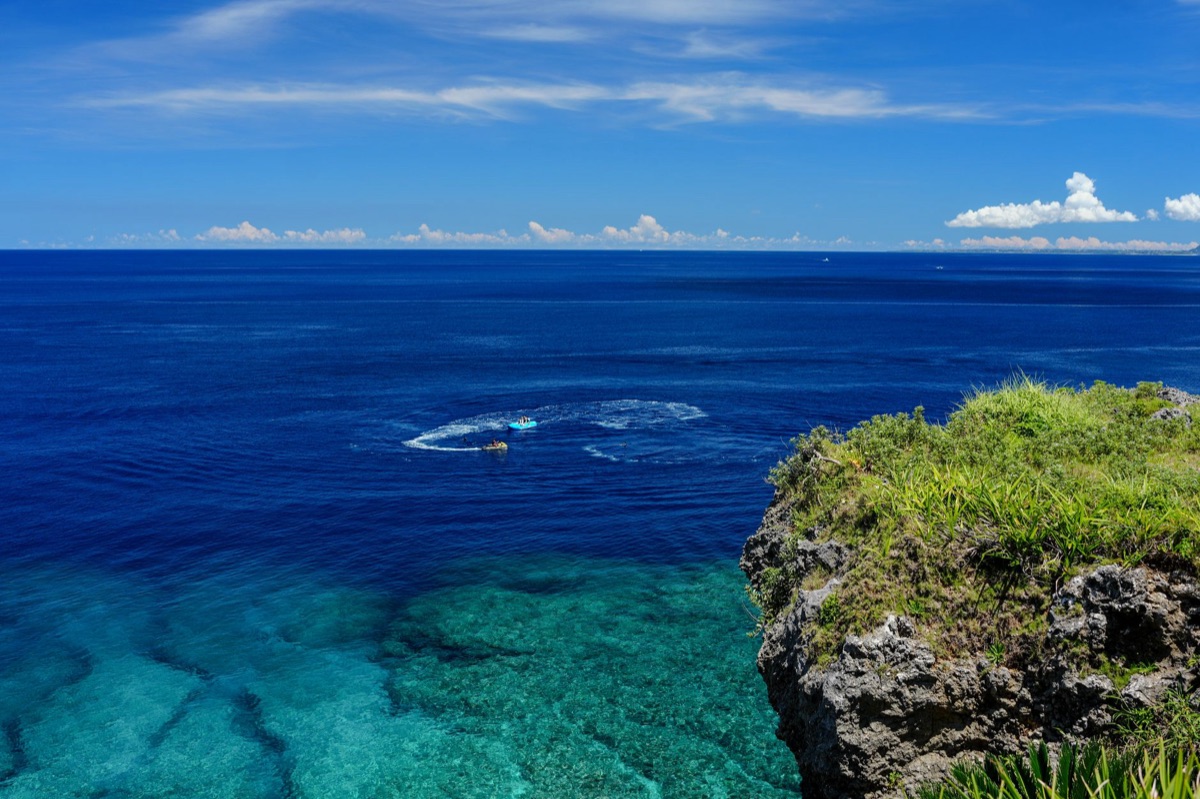
The sun rises over the East China Sea, casting a golden hue on the turquoise water as you stand on a balcony in Onna-son in July 2026, wondering if you should have stayed in the city instead.
You look at your map, seeing the long stretch of highway that can take over 90 minutes to navigate during peak summer traffic.
Every traveler arrives in Okinawa with a different hunger. Some want to walk through the gates of Shurijo Castle and eat street food in Kokusai-dori; others want to wake up to the sound of waves hitting a private beach.
If you choose a base that doesn't match your rhythm, you'll spend your vacation fighting traffic rather than enjoying the scenery. In 2025, travel trends showed a massive spike in travelers choosing single-hub stays to avoid the exhaustion of constant packing and unpacking.
Naha serves as the gateway, a bustling hub of commerce and history that is perfect for those who value efficiency. Onna-son acts as the strategic center, balancing the convenience of the central coast with the allure of luxury.
Then there is the North—the rugged, wild frontier that offers a complete escape from the modern world.
Deciding where to plant your flag depends entirely on whether you are chasing culture, comfort, or the great outdoors. But there is a catch that many travelers overlook until they arrive at the rental car counter.
Naha vs. Onna-son: The South vs. Central Hubs
The smell of savory Okinawa Soba wafts through a narrow alleyway in Naha as you navigate the crowded sidewalks of the city center at 11:30 AM.
It is a sharp contrast to the quiet, breezy luxury of a seaside resort in Onna-son, where the only sound is the distant hum of a luxury sedan on a coastal road.
Naha is the heartbeat of the prefecture. It is a dense, energetic city where the history of the Ryukyu Kingdom meets modern Japanese urban life. Staying here is ideal for travelers who want to be close to the airport or those who rely on public transit like the Yui Rail.
It is a place of convenience, where you can find late-night ramen shops and local markets within walking distance of your hotel. In 2026, the urban density of Naha remains a magnet for those who want to hit the ground running without a car.
Onna-son, however, is the crown jewel of the central coast. This is where you find the high-end resorts that define the "Okinawa vacation" image. It is the perfect compromise for those who want to be central to everything.
From Onna-son, you can head north to the Churaumi Aquarium or south to the southern heritage sites with relative ease. When I stayed in Naha for two nights last year, I realized how much easier it was to grab a quick meal at a local Izakaya without worrying about a long drive home.
While Naha offers a deep dive into local life, Onna-son offers a curated, relaxing experience designed to shield you from the hustle of daily life. But what happens when you want to go even further away?
| Feature | Naha | Onna-son |
|---|---|---|
| Primary Vibe | Urban, Cultural, Busy | Resort, Coastal, Relaxed |
| Best For | Foodies & History Buffs | Families & Couples |
| Transportation | Walking & Public Transit | Rental Car Essential |
| Cost Level | $50–$150 per night | $250–$600+ per night |
The Northern Frontier: Why Go North?
The morning mist clings to the Yanbaru forest as you drive along a winding road in the early hours of a July morning, the lush greenery pressing in from both sides of the car.
There are no tall buildings here, only the vast expanse of the ocean and the deep, emerald canopy of the northern wilderness.
The North is a different world entirely. It is the destination for those who want to truly "get away." If your goal is to hike through subtropical forests, explore the Yanbaru heritage sites, or find a beach that feels entirely untouched by tourism, this is your place.
It is a land of rugged beauty that rewards those willing to make the trek. In the current 2026 travel landscape, the North has become a sanctuary for those looking to disconnect from the digital noise of the southern hubs.
However, the North comes with a trade-off: distance. If you stay in the north but want to visit Naha or the southern tip of the island, you will face long, winding drives that can eat up 2 to 3 hours of your day.
It is not a place for "day-tripping" back to the city; it is a place to settle in and explore the local surroundings. This region is best suited for travelers who are dedicating their entire trip to nature or marine life.
If you are a diver or a birdwatcher, the North is non-negotiable. For those with a busy itinerary of city sightseeing, the North might feel too isolated. But how do you actually plan the logistics of such a split itinerary?
Beyond Location: Practicalities for Your Stay
You sit in a rental car, scrolling through a digital map, trying to figure out if you can make it to the aquarium and back before sunset at 7:00 PM. The logistics of your stay are often more complicated than the destination itself.
When choosing your accommodation, you must match the style to your group. Naha offers everything from $60 boutique hotels to traditional guesthouses, perfect for solo travelers or budget-conscious explorers.
Onna-son is dominated by large-scale resorts, often featuring massive pools and private beach access, making it the gold standard for families and honeymooners. The North offers more unique, nature-integrated stays, such as eco-lodges or traditional villas.
Your rental car strategy is also vital. In Naha, a car might just be a way to get to your hotel from the airport. In Onna-son or the North, a car is your lifeline. Without a vehicle, you may find yourself limited to the immediate vicinity of your resort.
Consider your primary activity. If you are here for diving, look toward the central or northern coasts. If you are here for museum hopping and shopping, Naha is your best bet. If you are here to disconnect, head north.
To help you decide, follow this checklist to determine your base camp:
- Identify your primary mode of transport: Do you want to use the Yui Rail (Naha) or will you be renting a car (Onna/North)?
- Check your group size: Are you a solo traveler (Naha/North) or a family group needing large resort rooms (Onna-son)?
- Assess your daily budget: Are you looking for $80 meals and hotels (Naha) or $300+ luxury experiences (Onna-son)?
- much
- Map your "must-see" list: Are your priorities the castle and markets (Naha) or the aquarium and forests (North/Onna)?
Quick Decision Matrix: Who Should Stay Where?
A traveler stands at a crossroads, looking at a list of flight times and hotel bookings, trying to make sense of a complex itinerary. The decision feels heavy because it will define the mood of the entire trip.
To make your choice easier, use this quick guide based on your traveler profile:
- The First-Timer: If this is your first trip, stay in Onna-son. It offers the classic "resort" experience while keeping you centrally located to both the city and the northern attractions.
- The Deep Diver: If you are a repeat visitor or a nature enthusiast, head to the North. You will find the solitude and the pristine environments that the more developed areas lack.
- The Short-Trip Traveler: If you only have a weekend or a 3-day window, stay in Naha. You will maximize your time by minimizing travel time to the airport and local cultural sites.






Comments 0