Okinawa Swim Guide: Beaches, Caves, and Best Times to Dive
"The water isn't just a view in Okinawa; it is the very heartbeat of the islands."
If you are staring at a map of the Ryukyu archipelago wondering whether to pack a wetsuit or just a swimsuit, you are in the right place. This guide breaks down exactly when to hit the water, which beaches suit your group, and how to navigate the legendary Blue Cave.
Key Takeaways * Optimal Swimming: Late spring through early autumn offers the warmest water, but year-round warmth makes swimming possible almost any time. * Beach Selection: Choose Naha-adjacent or Onna-based beaches for convenience, and remote northern shores for clarity.
* Activity Range: From casual wading at family-friendly shores to technical scuba diving in the Kerama Blue waters. * Logistics: A rental car is almost essential for reaching the best coastal spots outside of Naha.
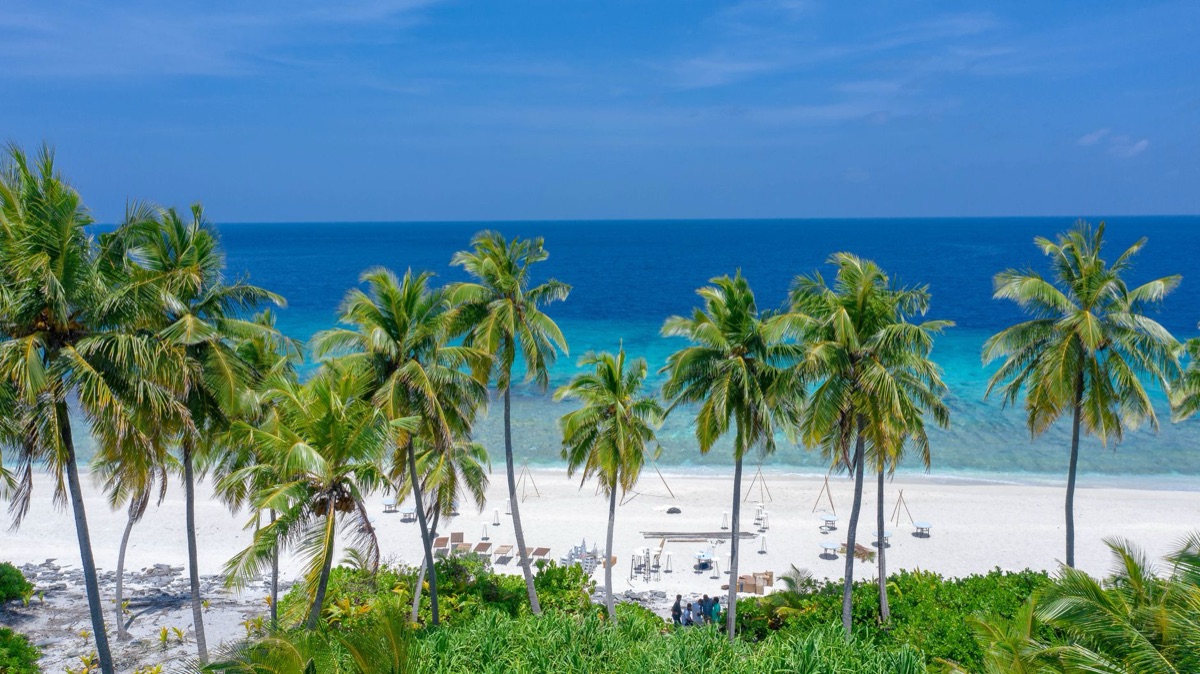
Which beach matches my vibe? The sun hits the white sand of a beach in Onna Village, reflecting a blinding turquoise light that makes you squint before you even reach the water's edge. Depending on whether you are traveling with toddlers or looking to dive deep, the coastline of Okinawa offers vastly different experiences.
For those traveling with young children or elderly family members, look for beaches with gentle, sandy slopes and minimal current.
Beaches near the central coast, such as those in the Onna area, often feature well-maintained facilities, including changing rooms and lifeguards, making them much safer for casual splashing. These spots are designed for ease of access, often located right next to major resorts.
If you are an avid snorkeler or a solo adventurer, you will want to head toward the more rugged coastlines or specific rocky outcrops. Some areas offer much clearer water and immediate access to coral reefs, though the entry might involve stepping over rocks or navigating a bit of a swell.
These locations are perfect for seeing schools of tropical fish just a few feet from the shore.
For the ultimate scenic experience or those seeking solitude, the northern reaches of the main island provide a different atmosphere. Here, the water often takes on a deeper, more dramatic hue, and the crowds are significantly thinner.
These spots are best suited for those who have a rental car and are willing to drive a bit further to escape the tourist hubs.
| Desired Activity | Recommended Beach Type | Best Feature |
|---|---|---|
| Family Wading | Shallow, Sandy Shores | Gentle slopes & easy access |
| Snorkeling | Reef-adjacent Beaches | High marine life visibility |
| Scuba Diving | Deep-water Coastal Spots | Clearer water & diverse life |
| Seclusion | Northern/Remote Beaches | Less crowded & scenic |
The choice of beach dictates your entire day, but even the perfect beach requires the⠈right timing to be truly enjoyable.
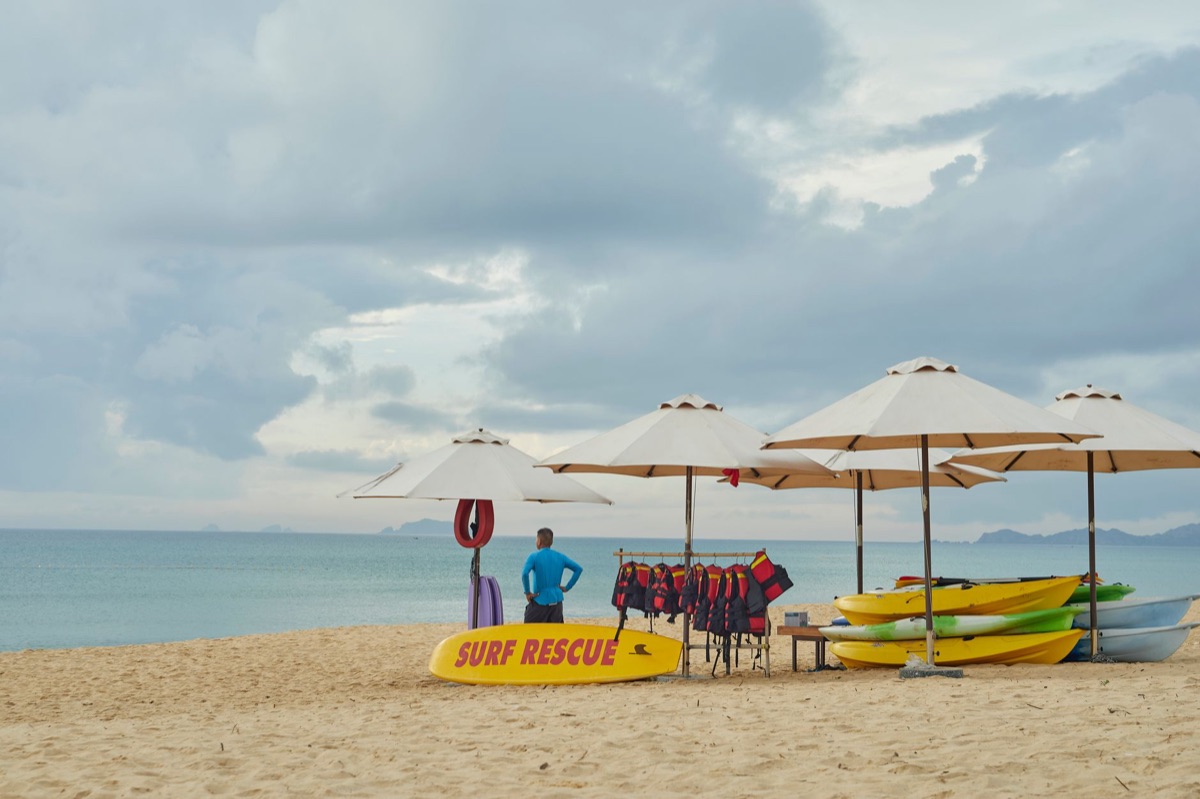
When is the water calling me? The humidity hangs heavy in the air as you step out of a car in late June 2026, the sound of cicadas competing with the distant roar of the Pacific. You check the thermometer, noting that the heat is rising, but the water looks invitingly cool.
In Okinawa, the water stays warm enough for swimming for much of the year. Because the islands experience temperatures above 20 °C (68 °F) for most of the year, you aren't strictly limited to a narrow summer window. However, the "official" beach season usually runs from April through October.
During these months, the water is at its warmest, and most beach facilities are fully operational.
The shoulder seasons—spring and autumn—are often the "sweet spots" for travelers. In late spring, the water is warming up, but the extreme summer heat hasn't yet reached its peak. In autumn, the water remains pleasantly warm, and the crowds thin out significantly.
Just be mindful that during these transition months, some local beach amenities might have limited hours.
Weather contingency is a vital part of planning. While the warmth is consistent, the typhoon season typically occurs in late summer. A sudden storm can change your plans overnight, resulting in rough seas or canceled boat tours.
It is always wise to have a "land-based" backup plan, such as visiting the Shuri Castle area or local museums, in case the ocean becomes too wild for swimming.
While the thermometer stays high, the ocean's temperament changes with the seasons, leading many to seek adventures beneath the waves.
Beyond the Shore: Exploring Underwater Wonders
The boat engine cuts out, leaving only the sound of water lapping against the hull as you approach a dark, rocky opening in the coastline. As you peer into the water, a strange, electric blue light seems to glow from within the rocks.
The Blue Cave, located on the coast of Onna Village, is one of the most famous snorkeling and diving spots in the prefecture. When sunlight hits the water inside the cave, it reflects a stunning, otherworldly blue hue.
Most tours involve a boat ride to the site, followed by guided snorkeling or scuba diving. Because the cave can be crowded, booking a morning slot is highly recommended to avoid the largest groups.
If you are deciding between diving and snorkeling, consider your comfort level. Snorkeling allows you to stay on the surface and observe the reef easily, making it great for those who aren't strong swimmers.
Scuba diving offers a much more immersive experience, allowing you to see the intricate details of the coral and larger fish species. Many local shops offer "discovery dives" for beginners, which include full instruction and equipment.
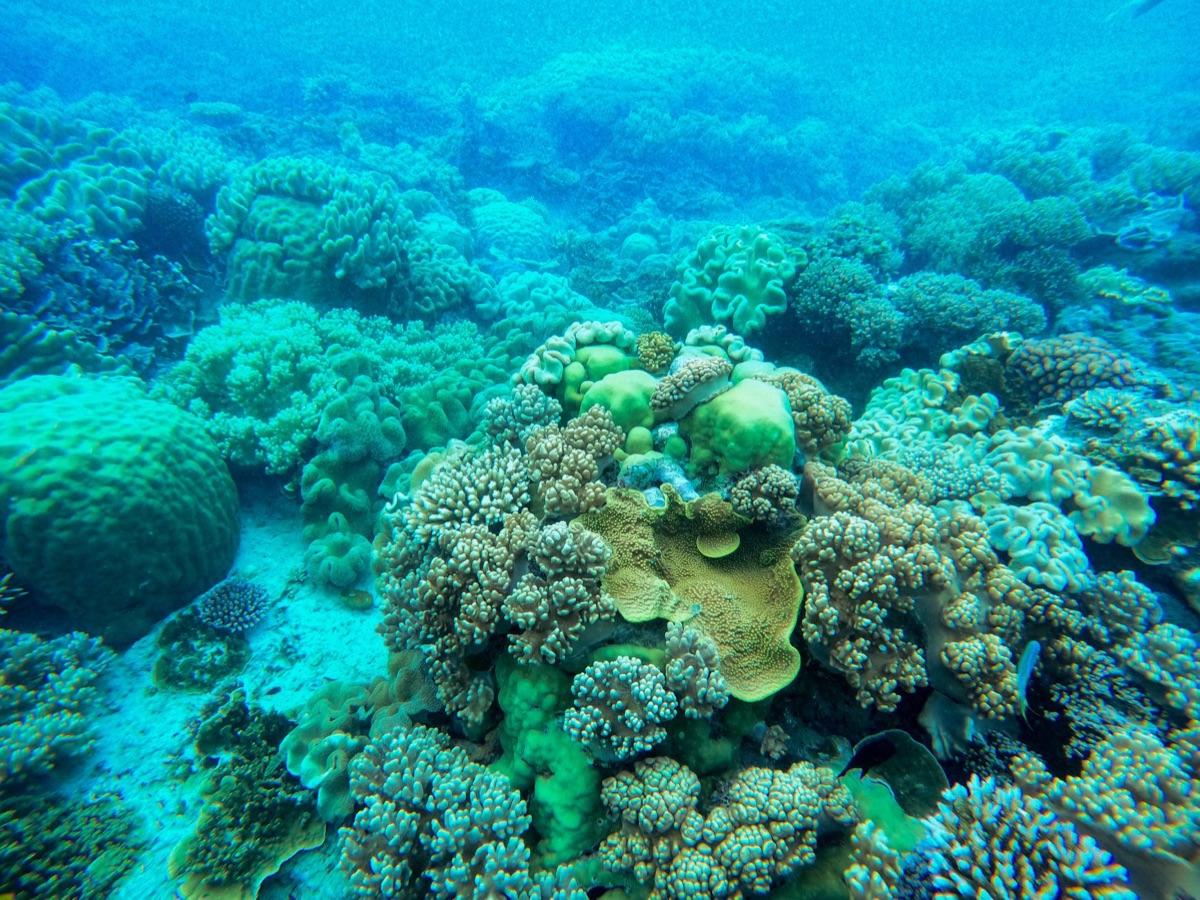
The marine life you encounter can vary. In the clearer, deeper waters, you might see larger schools of fish or even sea turtles. In the shallower reef areas, you are likely to see colorful anemones, clownfish, and various species of butterflyfish.
It is essential to book these tours in advance, especially during the peak summer months, as guides and equipment availability can be limited.
Once you have experienced the beauty of the main island's coast, you might start wondering if the surrounding islands offer something even better.
Planning Your Marine Adventure: Logistics & Rentals
The smell of salt air fills the car as you navigate the winding coastal roads, looking for a specific turn-off mentioned in your guidebook. You realize that without this vehicle, reaching this pristine stretch of sand would have been impossible.
Getting to the best beaches almost always requires a rental car. While Naha is well-connected by the Yui Rail monorail, the most beautiful coastal spots are spread across the island.
Having your own transportation allows you to chase the best weather and find hidden coves that aren't accessible by public bus.
Regarding gear, you have two main options: bring your own or rent locally. If you are a frequent traveler with your own mask and snorkel, bringing your gear ensures a perfect fit. However, for casual users, renting equipment at the beach or through a tour operator is much more convenient.
Most rental shops provide wetsuits, fins, and life jackets, which are essential for safety and comfort.
Safety should always be your priority. Local water conditions can change rapidly due to tides or currents. Always check for flags or signs indicating water safety levels. If you are swimming in areas with rocky entries, water shoes are a practical necessity to protect your feet.
When I planned my own trip through the coastal routes last year, I realized that having a checklist was the only way to keep the group organized. To make your own trip successful, follow these steps:
- Check the Forecast: Every morning, check the local weather and tide charts to determine if the water is safe for your planned activity.
- Secure Transportation: Book your rental car at least two months in advance, especially if you are traveling during the peak summer months of July and August.
- Pack Essentials: Ensure you have high-SPF waterproof sunscreen, polarized sunglasses, and a waterproof dry bag for your electronics.
- Book Tours Early: For popular spots like the Blue Cave, secure your morning time slot at least a week in advance to avoid disappointment.
- \\
- While the main island is incredible, some travelers look toward the outlying islands for a different kind of blue.
Beyond the Main Island: Nearby Marine Escapes
The ferry ride to a new island feels like a transition into a different world, where the horizon stretches out endlessly and the water turns a shade of cobalt you've never seen before. The transition from the main island to the remote islands is a shift in both scenery and pace.
If you have extra time in your itinerary, visiting islands like Miyako or Ishigaki can be life-changing. These islands are famous for having some of the clearest, most vibrant water in all of Japan.
While the main island offers great variety, the "Miyako Blue" is a specific, legendary clarity that attracts divers from all over the world.
Is it worth the extra travel? If your primary goal is world-class snorkeling and diving, then yes. However, these islands require more logistical planning, including flights or long ferry rides.
For a standard 3-to-5-day trip, it is usually better to stick to the main island to avoid spending too much time in transit. If you are planning a longer stay, a multi-island itinerary is highly feasible.
The main island provides a perfect blend of culture and coastline, but the outlying islands offer a pure, concentrated marine experience.







Comments 0