Taste the Ryukyu Kingdom: 10 Must-Try Okinawan Delicacies
"To eat in Okinawa is to taste the history of a kingdom that stood between China and Japan for centuries."
If you are looking for the soul of the islands, you won't find it in a generic buffet at a high-rise resort. You find it in a steaming bowl of wheat noodles in a roadside shack or in the rich, fatty marbled pork of a local specialty restaurant.
* Authenticity Guaranteed: A curated list moving beyond mainstream fare to deep local specialties. * Cuisine Spectrum: Covers essential regional staples, from unique Soba preparations to deep-sea delicacies like Agu. * Navigational Aid: Links specific dishes to the best local vendors, categorized by desired dining experience.

Why Okinawan Food is a Cultural Journey
The sun beats down on the red-tiled roofs of Naha in July 2026 as the scent of simmering pork broth drifts through a narrow alleyway. You step inside a small, wooden shop where the air is thick with steam and the sound of clinking ceramic bowls.
The flavors of Okinawa are a direct result of its history as the Ryukyu Kingdom. For centuries, this maritime kingdom acted as a vital bridge between China, Japan, and Southeast Asia. This unique position created a "fusion plate" long before the term became a modern buzzword.
While mainland Japanese cuisine often emphasizes subtle, clean flavors, Okinawan cooking embraces bold, hearty, and often medicinal elements designed to foster longevity.
In my own travels through the islands last year, I noticed how the food feels intentionally restorative, almost like a meal meant to sustain you through a long day of heat.
The local diet is built on resourcefulness. From utilizing every part of the pig to incorporating bitter melon (*goya*) and various seaweeds, the cuisine reflects a deep respect for the ingredients provided by the surrounding ocean and fertile volcanic soil.
When you sit down to a meal here, you aren't just eating; you are participating in a tradition of survival and celebration that has lasted generations. But understanding the history is only the beginning; you have to know what you are actually looking at on the plate.
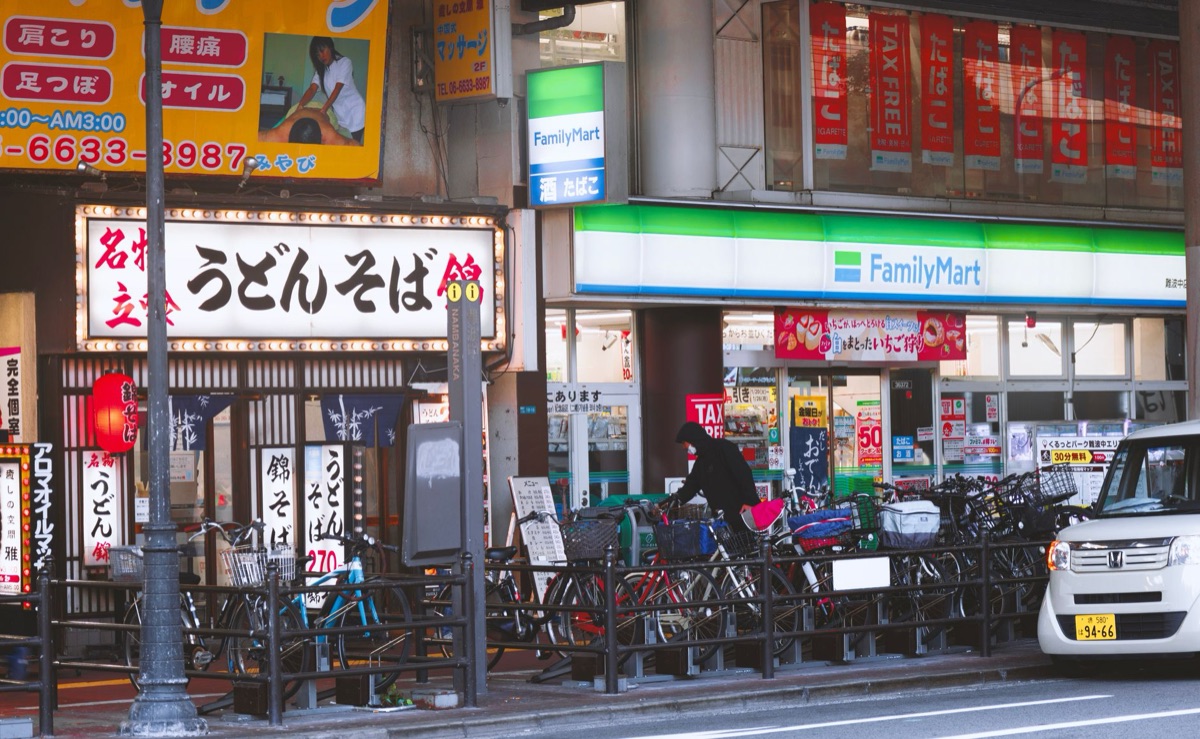
How do I master the essential Sola and noodles? A heavy rain begins to fall against the sliding glass doors of a small noodle shop in Yomitan at 12:30 PM. You watch as the chef carefully slices green onions, preparing for the lunch rush.
One of the most common misconceptions for travelers is the difference between Japanese buckwheat soba and Okinawan Soba. While they share a name, Okinawan Soba is actually made from wheat flour, resulting in a thicker, chewier noodle similar to udon.
The broth is typically a clear, savory blend of pork bone and bonito flakes, often topped with tender slices of *sata andi* (braised pork belly). In 2025, travelers frequently confused these wheat noodles with buckwheat versions, but the texture is unmistakable once you take that first bite.
Because the islands experience temperatures above 20 °C (68 °F) for most of the year, these hearty noodle dishes are often enjoyed as a comforting lunch or a restorative dinner. Some locals prefer a lighter, citrusy broth for the heat, while others lean into the heavy, fatty richness of the pork.
| Feature | Mainland Japanese Soba | Okinawan Soba |
|---|---|---|
| Primary Ingredient | Buckwheat | Wheat Flour |
| Texture | Delicate, thin | Chewy, thick |
| Common Broth | Soy-based or Dashi | Pork and Bonito blend |
| Typical Topping | Wasabi, Tempura | Braised Pork (*Sanmai-niku*) |
Understanding the noodles is vital, but the real luxury lies in the meat.
What coastal seafood delights should I try? The morning market in Naha is loud with the calls of vendors, and the smell of salt air is unmistakable at 7:00 AM. You watch a fisherman carefully arrange a tray of pristine, marbled meat that looks more like wagyu than pork.
While many associate Okinawa primarily with seafood, the legendary *Agu* pork is a centerpiece of local luxury. Agu is a heritage breed of black pig native to the islands. Its meat is prized for its deep flavor and high fat-to-meat ratio, making it perfect for shabu-shabu or slow-braised dishes.
It is a regional treasure that represents the pinnacle of Okinawan livestock tradition. In high-end restaurants in Naha, a single serving of premium Agu can range from 3,500 to 6,000 yen, making it a significant but worthwhile indulgence.
Beyond the pork, *Chanpuru*—which literally means "mixed up"—is the quintessential local dish. Whether it is *Goya Chanpuru* (bitter melon stir-fry) or seafood-based versions, these dishes represent the Okinawan spirit of mixing diverse ingredients into a harmonious whole.
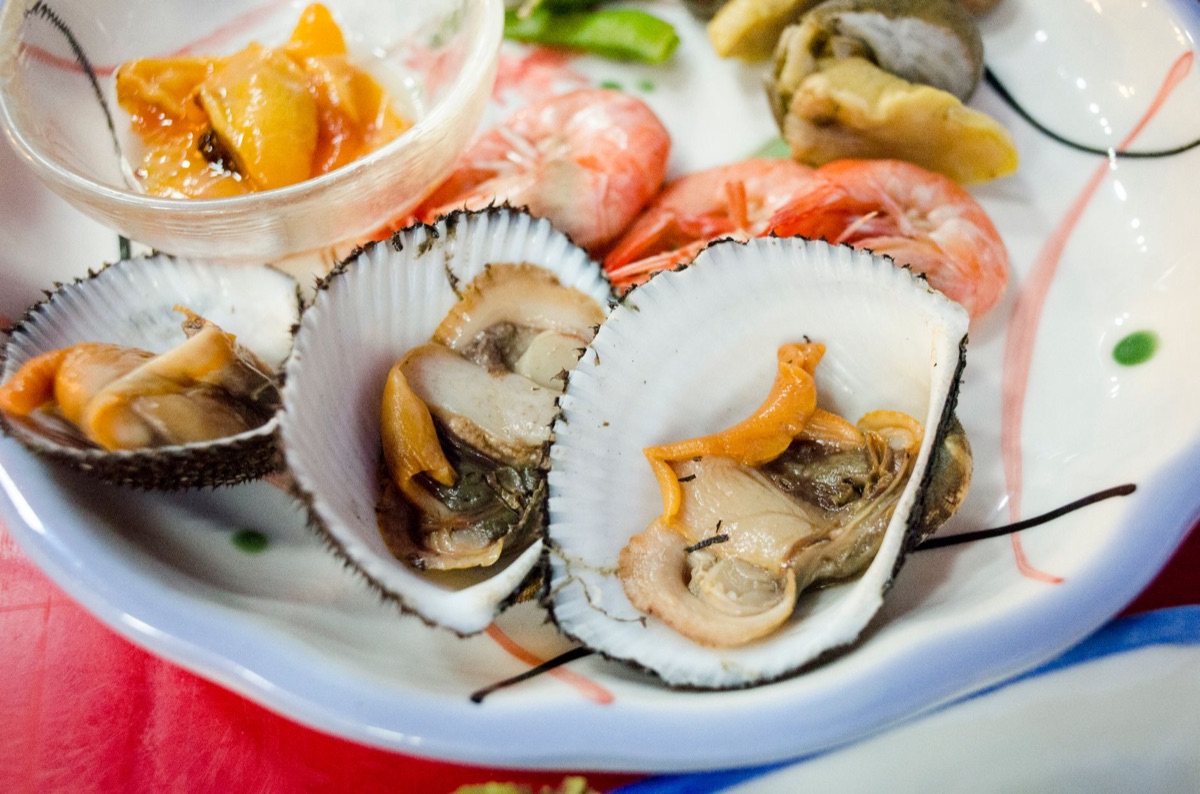
From deep-sea catches like grouper to local shellfish, the coastal bounty is always the star of the table. However, the meal doesn't end with the main course; there are smaller, sharper flavors that complete the experience.
Beyond the Main Course: Hidden Gems & Side Dishes
You sit at a low table in a dim izakaya at 9:00 PM, the sound of a distant *sanshin* (Okinawan lute) playing a slow melody. A small plate of bright purple sweet potato arrives, followed by a bowl of fermented pickles.
To truly understand the local palate, you must look beyond the main proteins. Side dishes are essential for balancing the heavy, savory flavors of the meat. Pickled vegetables, often made from local seasonal greens, provide a necessary acidity to cut through the richness of braised pork.
One of the most unique "secret" elements of the cuisine is the use of *Awamori*, a distilled spirit made from Thai rice. While often served as a drink, it is sometimes used in cooking to add a complex, fermented depth to stews.
Another staple is the various types of local tofu, which can range from silky soft to firm and salty, often serving as a protein-packed side dish. When I first tried the salty, firm tofu in a seaside village, I was surprised by how well it paired with a simple bowl of white rice.
These small bites are essential, but how do you choose where to eat among so many options?
Top 10 Vendor Breakdown: Matchmaking Your Meal
Finding the right place to eat depends entirely on your mood and your itinerary. Some spots are meant for a quick, efficient lunch, while others require a planned evening of celebration.
Best for a Quick & Casual Lunch 1. Noodle House Naha-Central: *Specialty: Classic Okinawan Soba.* Located in the heart of the city, this is perfect for a quick refuel between sightseeing stops. 2. Yomitan Seaside Soba: *Specialty: Seafood-topped Soba.* A breezy spot near the coast, ideal for a light lunch after a morning of beach exploration. 3. Shuri Castle Gate Kitchen: *Specialty: Goya Chanpuru.* Located near the historic Shuri ruins, offering a quick way to taste local flavors.
Best for a Celebratory Feast 4. The Agu Heritage House: *Specialty: Agu Pork Shabu-Shabu.* A high-end experience perfect for a special dinner to taste the finest local pork. 5. Naha Harbor Seafood Grill: *Specialty: Fresh Catch Platter.* A bustling atmosphere where you can experience the freshest daily catches from the surrounding seas. 6. Ryukyu Banquet Hall: *Specialty: Multi-course Okinawan Kaiseki.* A more formal setting that blends traditional flavors with elegant presentation.
Most Authentic Local Vibe 7. Old Town Izakaya: *Specialty: Small plates and Awamori.* A dim, cozy setting that feels like stepping back in time. 8. The Village Market Stall: *Specialty: Local street snacks.* Great for tasting various small bites like *Sata Andagi* (Okinawan donuts). 9. Island Roots Kitchen: *Specialty: Home-style Chanpuru.* A family-run establishment that serves hearty, comforting meals. 10. Coastal Pier Eatery: *Specialty: Grilled Seafood.* An open-air setting that captures the essence of island life.
Decision Tip: If you are traveling with a busy itinerary, stick to the "Quick & Casual" list to maximize your sightseeing time. If you have a free evening, prioritize the "Celebratory" or "Authentic" categories to truly immerse yourself in the culture.







Comments 0