Okinawa base visual record: How to guide social context best
"The camera captures what the eye often overlooks in the shadows of heavy fences."
This analysis explores the Okinawa base visual record through the lens of Mao Ishikawa's photography. It is intended for historians and art enthusiasts interested in the social meaning of military zones.
This guide examines the landscape of the base area social context and highlights the limitations of relying solely on photographic documentation.
How does Ishikawa capture the Okinawa base visual record?
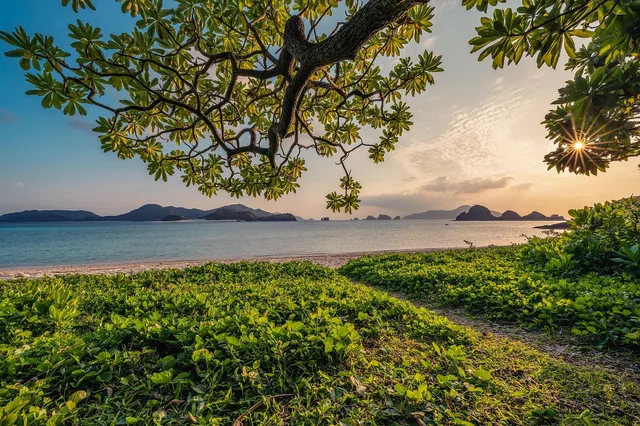
At dawn, I press my face against the cold metal fence to capture the Okinawa base visual record through my lens.
Walking through the narrow streets near the perimeter, the heavy presence of concrete barriers becomes unavoidable. The Okinawa base visual record is defined by these abrupt shifts between civilian life and military fortification. Ishikawa's documentation focuses on these visual tensions.
The artist uses a lens to bridge the gap between the domestic and the defensive. By photographing the quiet moments near the gates, he highlights the coexistence of local communities and military infrastructure.
This method provides a nuanced view of the base area social context that traditional news reporting often misses.
- Select a vantage point near the perimeter.
- Frame the contrast between civilian life and military infrastructure.
- Capture the movement of personnel and equipment.
What is the social meaning of military zones in Ishikawa's work?
Observing a local shopkeeper sweeping dust near a guarded checkpoint reveals the layers of daily existence. The social meaning of military zones is often found in the subtle ways residents adapt to their surroundings.
This visual history base Japan is not about large-scale movements, but the quiet persistence of life beside restricted zones.
Ishikawa's photography emphasizes the mundane reality of living under the shadow of military presence. This approach avoids the sensationalism of war reporting. Instead, it focuses on the stillness of the landscape and the lived experience of the inhabitants.
In this sequence, the second step is the longest.
Where has Ishikawa's photography been shown?
The artist's work travels from quiet local galleries to major international institutions.
Ishikawa's work has been exhibited at the Yokohama Museum of Art, Queensland Art Gallery, Tokyo Photographic Art Museum, Okinawa Prefectural Museum, MoMA PS1 and various art galleries in New York, London, and throughout Japan.
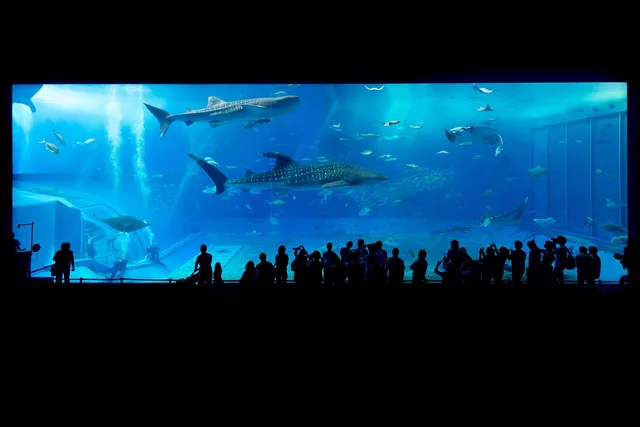
I remember seeing these prints in a quiet room where the scale of the images demanded silence. The way the light hits the fences in the photographs creates a sense of isolation. This exhibition history demonstrates the global relevance of his documentation.
How do military logistics compare in the region?
The presence of various military units creates a tiered logistical structure within the territory. While the civilian landscape remains constant, the intensity of military presence fluctuates based on the specific force deployed.
| Unit Type | Supply Duration | Key Characteristics |
|---|---|---|
| Marine Expeditionary Unit | 15 days | Standard logistical support |
| Marine Expeditionary Brigade | 30 days | Increased firepower and airpower |
I find it fascinating how the logistical needs of these units dictate the movement around the base. The presence of a Marine Expeditionary Force, which is supplied for 60 days, fundamentally changes the operational tempo of the area.
How to analyze the landscape for social context?
Standing at the edge of a restricted zone, one must look past the immediate barriers to see the broader implications. To analyze the landscape of the Okinawa base visual record, follow these steps:
- Identify the physical boundaries that separate civilian and military sectors. 2. Observe the interaction between local commerce and military security measures. 3. Document the shifts in infrastructure that signal military presence.
After completing these steps, check if the visual evidence reveals a pattern of adaptation among the residents. This systematic approach helps in understanding the complex social fabric of the region.
What are the limitations of this visual history?
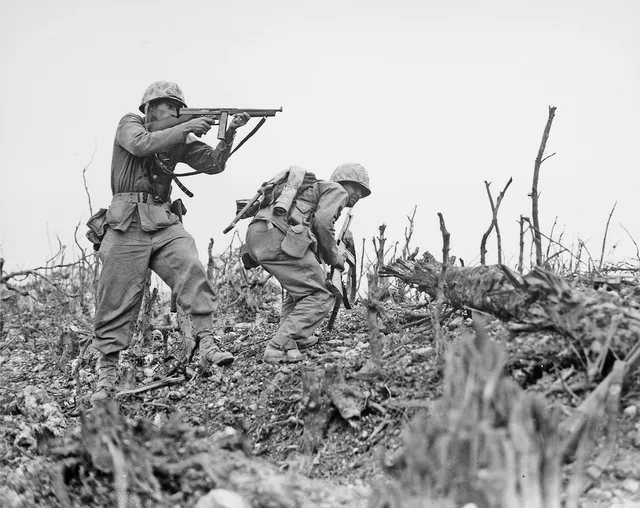
The camera can only capture a specific moment in time, leaving much of the political complexity unaddressed. While Ishikawa provides a vital perspective, his work is a visual representation rather than a comprehensive political history.
The analysis is limited to the specific conditions and subjects captured by the artist. It does not account for the full scope of the geopolitical tensions that define the region. The study is constrained by the specific moments and locations documented by the photographer.
The same subject is also called Mao Ishikawa Okinawa base.
The same subject is also called Okinawa military site view.
This part also covers Analyzing base landscape records.
Related
- Stereopony music scene: Guide to local music development
- Ryukyu culture Taiwan link: How best guide local traditions
How does the camera interpret these boundaries?
The camera captures the visual tension between the domestic and the defensive by focusing on the quiet moments near the gates. This method allows for a comparison between the stillness of the landscape and the lived experience of the inhabitants.
When comparing the logistical needs of different units, the intensity of the military presence fluctuates. A Marine Expeditionary Force requires 60 days of supply, which changes the operational tempo differently than a Marine Expeditionary Unit that only requires 15 days of support.
What caution should be applied to this visual record?
A caution is necessary because the visual record is limited to the specific conditions captured by the artist. The documentation does not account for the full scope of the geopolitical tensions that define the region.
Wikipedia: Mao Ishikawa (full) Based on the retained excerpt mentioning Tokyo Photographic Art Museum: Ishikawa's work has been exhibited at the Yokohama Museum of Art, Queensland Art Gallery, Tokyo Photographic Art Museum, Okinawa Prefectural Museum, MoMA PS1 and various art galleries in New York, London, and throughout Japan.
Comments 0