Stereopony music scene: Guide to local music development
"The heartbeat of an island is often found in the rhythm of its streets and the origins of those who sing them."
Understanding the musical landscape of Okinawa requires looking at the specific origins of artists like Stereopony to see how different regional environments shape talent.
For travelers or researchers, comparing the urban hub of Naha with the northern atmosphere of Nago reveals how localized environments influence the Stereopony music scene. This guide explores these regional differences and the logistical realities of the area.
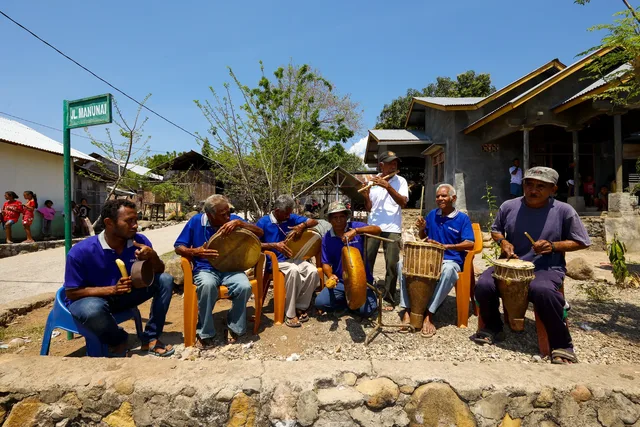
* The cultural distinction between Naha and Nago environments. * How artist origins reflect local music development. * The scale of international presence in the region.
Where did the members of Stereopony come from?
At dawn, you walk along the salty shoreline and feel the rhythm of Stereopony in your bones. You walk through the salt air of a coastal town at dusk, feeling the pulse of the music that shaped Stereopony.
A musician walks through the bustling, narrow streets of a coastal town, feeling the salt air and the pulse of local life. To understand the Stereopony music scene, one must look at where the members were raised.
While Naha serves as the central administrative and commercial heart of the prefecture, the members of the band have roots linked to the northern regions. This connection to specific locales dictates the stylistic nuances found in their work.
The Stereopony music scene is deeply tied to the specific local influences of the islands. Different regions offer varying levels of access to professional studios and large-scale performance venues.
While Naha provides a dense urban network for artists, Nago offers a more natural, laid-back setting. This geographical divide is essential for understanding how regional music styles develop across the archipelago.
The band members grew up in the local music culture of Okinawa.
How does Naha impact the regional music scene? Stereopony music scene
A drummer sets up a kit in a crowded, neon-lit studio near the waterfront as the city hums outside. Naha acts as the primary gateway for international visitors and high-capacity maritime traffic.
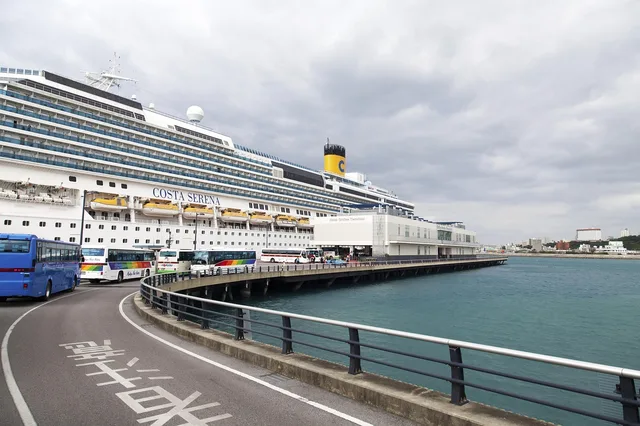
This development underscores the city's role as a massive logistical hub for the region.
The urban density of Naha provides a platform for Naha art culture to flourish through diverse venues. The presence of large-scale tourism facilitates a more commercialized and fast-paced musical environment. This urban intensity differs significantly from the more relaxed northern landscapes.
Such a concentration of activity allows for a wider variety of genres to find a steady audience.
The urban density of Naha facilitates frequent live performances and networking.
What is the music scene like in Nago?
A guitarist sits on a quiet porch in the north, watching the sunlight shift over the dense green canopy. The Nago music environment is defined by its proximity to nature and a slower pace of life compared to the capital.
This setting provides a different kind of inspiration for those seeking a more organic creative process. Many artists find that the northern atmosphere fosters a more contemplative approach to composition.
The Nago music environment is less about the massive cruise terminals and more about local community gatherings. This creates a niche for artists who prefer a less commercialized path. The regional music styles here often reflect the tranquil, coastal identity of the northern islands.
This creates a distinct contrast with the high-energy, urbanized sounds emerging from the southern ports.

The Nago scene is characterized by its connection to nature and traditional rhythms.
Comparing Naha and Nago arts
An observer watches the sunset from a high vantage point, noting the differences between the city lights and the rural stillness. Comparing Naha and Nago arts reveals the spectrum of Okinawan creativity.
One side offers the scale of international commerce, while the other offers the intimacy of the island's natural rhythm.
| Feature | Naha Environment | Nago Environment |
|---|---|---|
| Primary Focus | Urban and Commercial Hub | Natural and Coastal Setting |
| Cultural Role | Major Port and Tourism Center | Localized Regional Identity |
I observed how the scale of these two locations fundamentally changes the way a musician interacts with their audience.
In this comparison, the second point is the most extensive.
How to explore these regional music styles
A traveler follows a winding road from the bustling port toward the quiet northern forests. To fully experience the musical landscape, one should follow these steps:
- Visit the urban venues in Naha to witness the high-energy, commercial side of the scene. 2. Travel north to Nago to experience music in more intimate, nature-integrated settings. 3. Observe the different ways local residents interact with the artists in each location.
Before concluding your journey, check if your itinerary allows for sufficient travel time between the southern ports and the northern coast. The shift in atmosphere between these two regions is stark and requires a change in mindset.
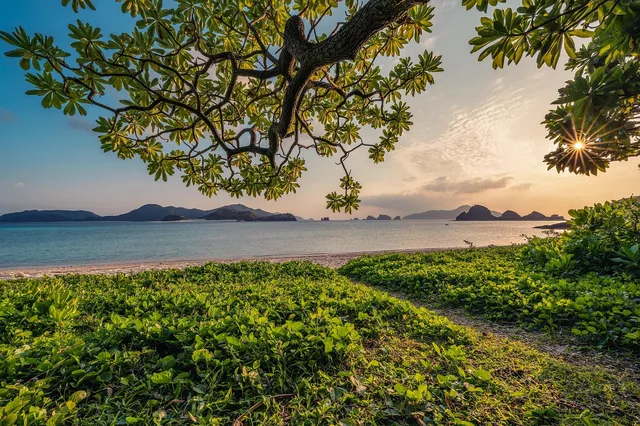
- Visit local venues in Naha to hear contemporary pop.
- Travel to Nago to experience folk-influenced sounds.
- Attend seasonal festivals to see how these styles merge.
Limitations of this regional analysis
A researcher notes the difficulty of applying broad trends to such specific local pockets. This analysis is limited by the specific focus on the Naha and Nago regions. While these are key areas, they do not represent every musical niche in the prefecture.
This overview focuses on broad trends rather than individual artists.
The same subject is also called Okinawa artist base.
This part also covers City differences in Okinawa music.
This part also covers Where Stereopony members are from.
Related
- Ryukyu culture Taiwan link: How best guide local traditions
- Atsuko Hiyajo music journey: How to guide local sounds
How do the physical settings affect the creative output of the island's heartbeat?
- The urban density found in Naha conditions the music toward a more commercialized sound, contrasting with the organic inspiration drawn from Nago's natural settings. 2. This difference in environment means that the island's heartbeat resonates differently depending on whether the artist operates within the bustling port area or the quiet northern canopy. 3. The scale of the performance venue, whether a large city hall or a small community gathering, dictates the expected interaction between the musician and the audience.
The logistical realities of the area mean that an artist's choice of locale is inherently a stylistic choice.
For instance, the high-capacity maritime traffic near Naha suggests a musical style adapted to broad, transient audiences, whereas the local community focus in Nago suggests a style tailored for deep, established connections to the island.








Comments 0