Okinawa literature vs photo: Guide to cultural identity
"The written word captures the soul of an island, while the lens freezes its fleeting light."
It examines how textual narratives and visual records work together to preserve cultural identity.
How does Okinawa literature vs photo capture identity?
At dusk, I stare at the peeling ink on my desk as I contemplate how an island story photo record captures the spirit of okinawa.
The ink flows to create a world that exists only in the mind of the reader.
This process of building an island story photo record allows for a layer of emotional depth that static images often struggle to reach.

The written word provides a temporal dimension, allowing authors to weave past and present into a single narrative. While a photograph provides a frozen slice of time, literature allows the reader to experience the passage of seasons and the weight of historical memory through character development.
This creates a more immersive, albeit subjective, reality.
The interplay between text and image serves as a bridge between reality and interpretation. When readers engage with an island story photo record, they often find that the prose fills the gaps left by the visual frame.
This synergy ensures that the cultural nuances of the islands are not lost to time.
Literature explores the internal psyche of the islanders, while photography captures the external landscape and physical presence.
Is writing about Okinawa more immersive than photos? Midday sun burns my skin as I sit on a beach pier, lost in a writing image okinawa that smells of salt and hibiscus.
A photographer adjusts the aperture of a vintage camera, trying to catch the exact shade of turquoise in a coastal cove. The shutter clicks, capturing a moment that will never repeat itself exactly in the same way.
This suddenness defines the visual medium, offering a directness that prose must work harder to achieve.
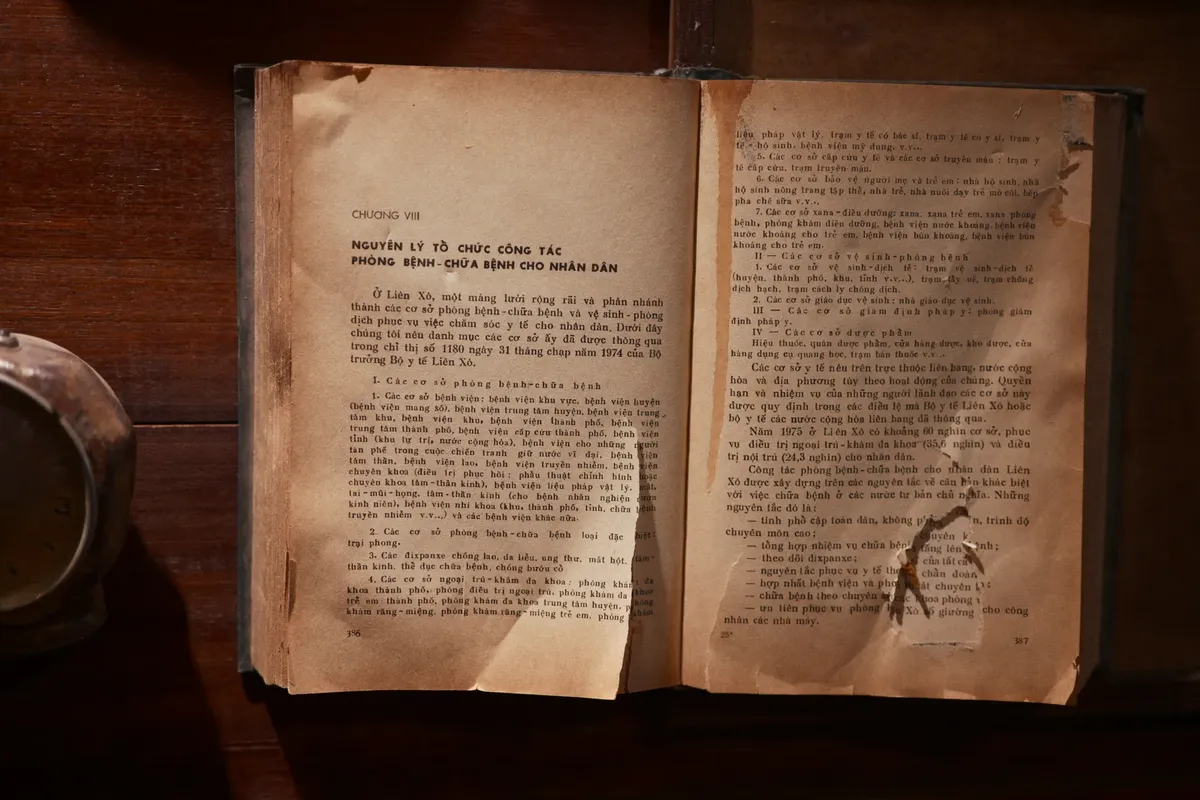
Writing image Okinawa relies on sensory details to evoke the same presence that a lens provides. By describing the scent of hibiscus or the texture of coral, a writer creates a mental landscape. This allows for a more fluid exploration of internal emotions compared to the external focus of a camera.
The contrast between these two mediums lies in their approach to truth. A photograph is often seen as a factual record, yet it is limited by its single perspective. In contrast, the written word can explore truths that are not visible to the naked eye, such as the internal struggles of a community.
Textual descriptions allow readers to inhabit the sensory details of the island, creating a deeper psychological immersion than a static frame.
Can a photo of an island story replace written history? An archivist carefully places a fragile, printed manuscript into a protective sleeve. They look at the fading ink and realize that these words hold secrets that no picture could ever fully explain. According to World Bank data, Japan recorded international tourist arrivals of 4,115,800 in 2020.
This tactile engagement with history highlights the unique role of text in preserving complex human experiences.
While a photograph captures the physical reality of a place, it cannot articulate the nuances of spoken dialect or the intricacies of local folklore. An island story photo record becomes more complete when the visual evidence is paired with the depth of written accounts.

The two mediums together provide a multi-dimensional view of history.
The limitations of photography are evident when dealing with abstract concepts like grief or hope. A visual record might show a person's face, but it cannot explain the weight of their history.
Literature provides the necessary context to transform a simple portrait into a profound historical document.
A photograph captures a single moment in time, whereas written history provides the necessary context and continuity of the island's evolution.
Does the writing image Okinawa style affect reader perception?
A reader turns the page of a heavy book, moving from a vivid description to a stark, black-and-white photograph. The transition forces them to reconcile the imagined world with the captured reality. This constant shifting of perspective keeps the reader engaged with the subject matter.
The way a writer structures a narrative can change how the reader perceives the visual elements. If the text is highly descriptive, the reader may view a photograph through a specific emotional lens.
This interaction creates a unique psychological experience where the two mediums influence each other.
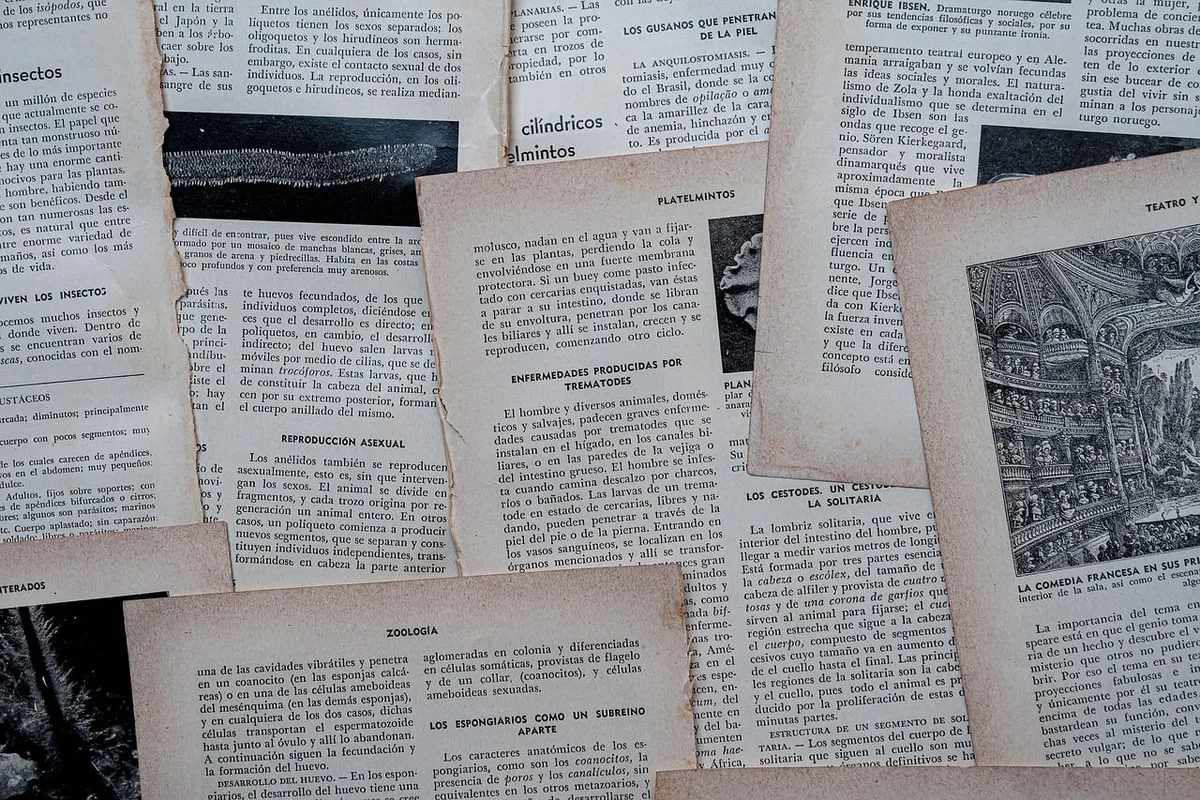
The effectiveness of this relationship depends on the balance of the two. Too much text can overshadow the visual impact, while too many images can leave the narrative feeling hollow. Finding the right equilibrium is essential for a successful artistic endeavor.
The specific prose style shapes how readers interpret the emotional weight of the Okinawan setting.
What are the limitations of an island story photo record?
A researcher stares at a grainy, low-resolution photograph from decades ago, trying to make sense of the blurred shapes. The lack of detail makes it difficult to identify the specific location or the people involved. This visual ambiguity highlights the inherent constraints of the medium.
According to the Hiroshima City Museum of Contemporary Art, the project made its major institutional debut with the solo exhibition Akitsushima at the Hiroshima City Museum of Contemporary Art (MoCA) in 2000, featuring the photograph Akitsushima and the cast-iron Akitsushima 50 • I.
A major limitation of any visual record is its inability to capture the passage of time or the complexity of human thought. While a photograph can show a person's physical presence, it remains a static representation.
It cannot convey the unfolding of a life or the evolution of a culture over generations.
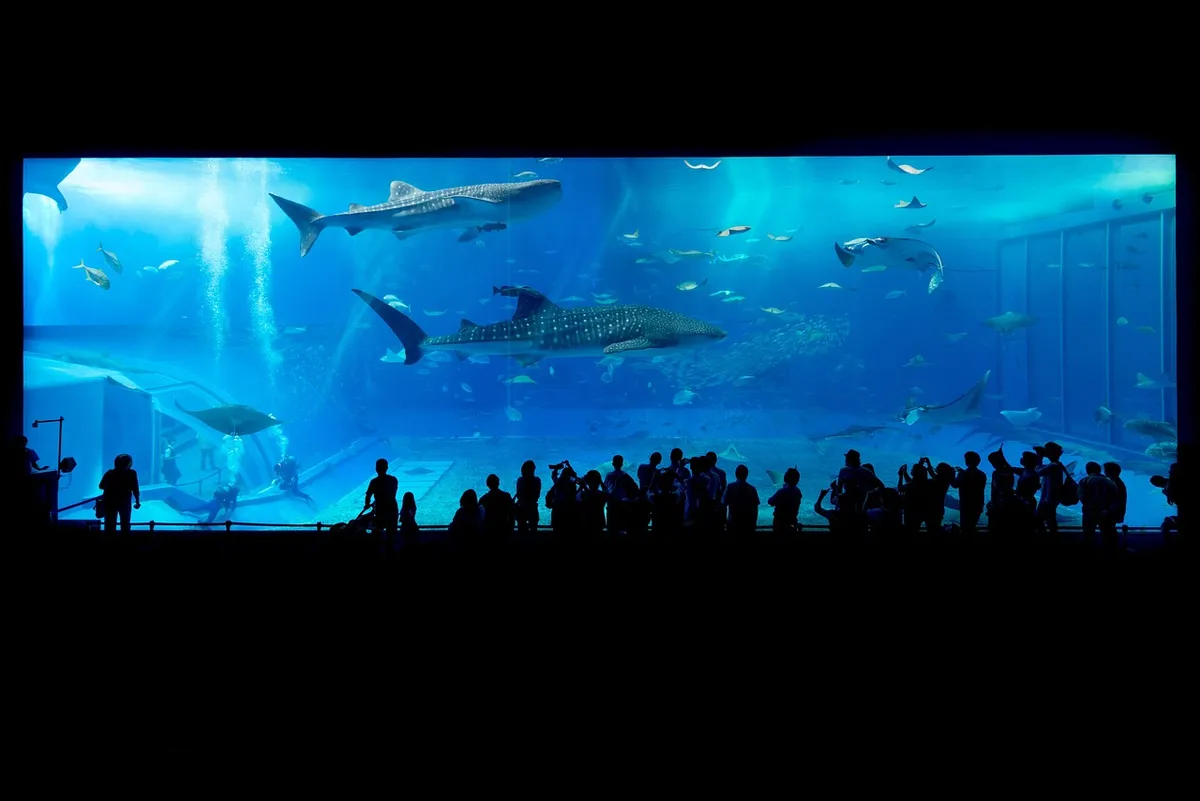
In some cases, a single photograph can be easily misinterpreted without accompanying text. Without context, a visual record can lead to incorrect assumptions about the subject. This is why historical archives often rely on a combination of visual and written evidence to ensure accuracy.
Visual records are limited by what is visible to the eye, often leaving the invisible struggles and complex histories unexpressed.
- This exploration looks at the relationship between literature and photography in the context of Okinawa.
- This guide compares the depth of prose against the immediacy of the image, noting that while one builds atmosphere, the other captures a singular moment.
- A writer sits at a wooden desk overlooking the East China Sea, scribbling descriptions of salt air and history.
Related
- Okinawa history conflict records: Why study these shifts
- Okinawa base landscape photo book: Why view this setting?
How does the written word enhance the visual record?
The written word allows the reader to reconstruct the sensory environment surrounding the captured image. While the lens fixes the visual data, the prose breathes life into the scene, describing the smells or sounds inherent to that specific setting.
This reconstruction adds layers of subjective experience to the objective frame.
- The prose describes the emotional resonance of the scene depicted in the photograph. 2. The visual record presents the scene, and the written word provides the emotional context for that scene. 3. This combination allows the reader to inhabit the moment portrayed by the lens.
- Observe the visual evidence provided by the photograph. 2. Apply the narrative context through written prose. 3. Synthesize the two to form a complete understanding of the subject.
In this sequence, the second step is the longest.
What is the role of the photograph in the literary exploration?
The photograph acts as a sudden, undeniable anchor to reality within the fluid narrative. Where the author extrapolates possibilities, the image presents a singular, undeniable fact of the moment. This juxtaposition grounds the abstract musings of the prose in tangible reality.
- The image arrests the narrative flow, demanding a pause for contemplation. 2. It serves as a fixed point against the temporal movement of the written word. 3. This grounding prevents the narrative from becoming purely ethereal or undisciplined.




Comments 0