Okinawa history conflict records: Why study these shifts
"How do we look at the present when the shadows of the past are so deeply etched into the landscape?"
Understanding the complex layers of modern history requires looking closely at the preserved records and the physical scars left on the land. This exploration focuses on how historical documentation helps us interpret the shifts in regional identity and sovereignty.
Key takeaways: 1. Historical records serve as essential tools for understanding modern political transitions. * Documented conflicts provide a lens through which current social structures can be analyzed. * Preserving archives is vital for maintaining an accurate connection to the past.
How do historical records shape our view of Okinawa history conflict records?
A researcher sits at a heavy wooden desk, flipping through weathered pages of a local archive to trace the lineage of governance. The dust motes dance in the light as the weight of documented shifts becomes tangible through ink and paper.
According to World Bank data, Japan recorded international tourist arrivals of 4,115,800 in 2020.
Analyzing these documents allows for a deeper understanding of how regional autonomy transitioned into modern administrative structures. These records act as a bridge between the era of the Ryukyu Kingdom and the complexities of the 20th century.
By studying these shifts, we gain insight into how previous tensions continue to influence local identity.
The study of island history records often reveals how external influences shaped local governance over several centuries. These documents provide the necessary context to understand why certain political boundaries exist today.
Without these written accounts, the nuances of regional autonomy would be lost to time.
However, the interpretation of these records can be limited when the available documentation is incomplete or biased.
What role does the modern era conflict play in understanding the present?
Standing in the quiet memorial park at dusk, I feel the cold wind bite my skin as I contemplate the scars of okinawa.
A visitor walks through a quiet memorial park, touching the cold stone of a monument that marks a site of past struggle. The silence of the park contrasts with the heavy implications of the names engraved in the granite.
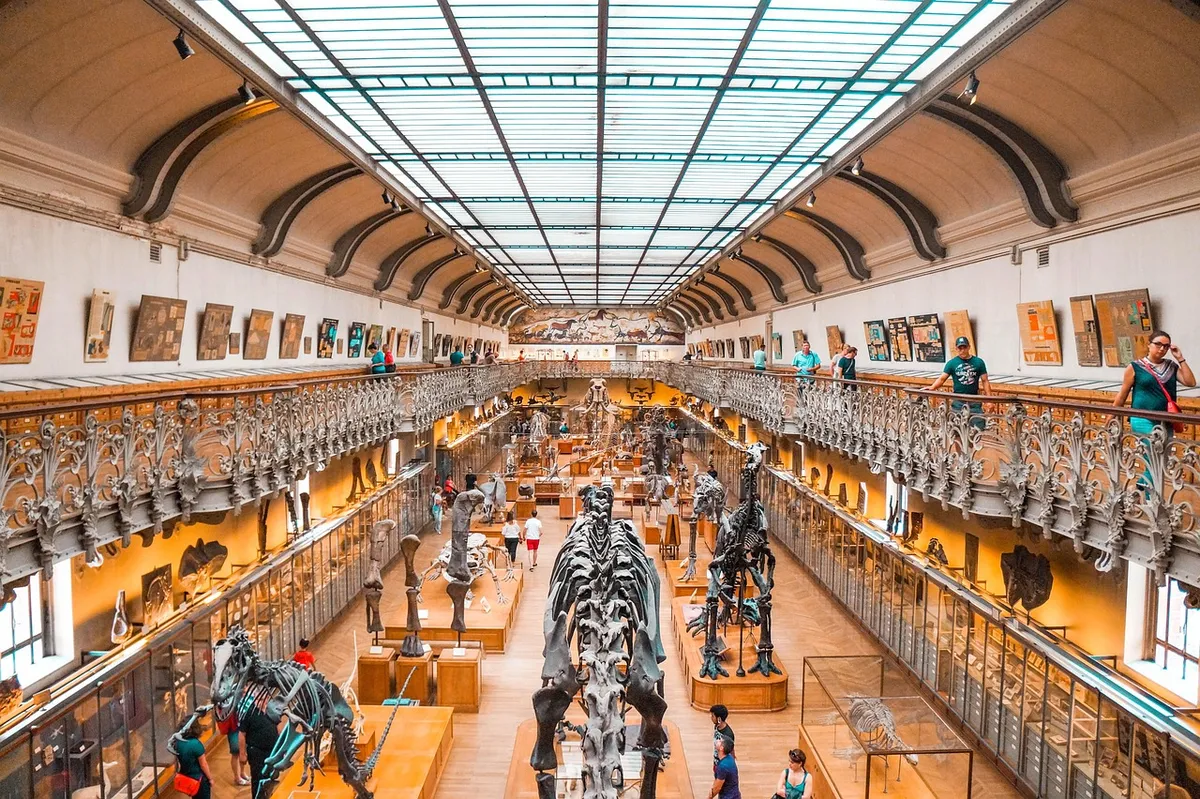
The modern era conflict often leaves a lasting imprint on the social fabric of an island. Understanding these periods of friction is essential to recognizing the current political landscape. These historical tensions are not merely old stories but are living elements of the regional consciousness.
Documenting island strife helps prevent the erasure of lived experiences that shaped current laws and social norms. These records ensure that the complexities of the past are not oversimplified by modern perspectives.
By engaging with these truths, we can better navigate the complexities of the present.
However, this perspective may not apply when modern political agendas overshadow the actual historical context.
Can we use documented island strife to find clarity in the present?
An archivist carefully places a fragile document into a protective sleeve, ensuring the text remains legible for future generations. The careful movements reflect a respect for the truths contained within the aging paper.
The presence of documented island strife provides a baseline for understanding current social movements and political decisions. These records help clarify why certain administrative policies were implemented and how they were received.
They serve as a vital check against the distortion of historical truth.
Past conflict shapes today by providing the foundational knowledge required to interpret modern political shifts. Every recorded event provides a piece of a larger puzzle regarding regional sovereignty and identity.
This continuous thread of history connects the struggles of the past to the stability of the present.
However, using past strife to find clarity is ineffective if the historical context is disconnected from current realities.
How do records reveal complex past dynamics?
A student compares two different versions of a historical map, noting how borders shifted according to changing political powers. The visual discrepancies highlight the tension between documented reality and political necessity.
Records reveal complex past dynamics by showing the friction between local traditions and external administrative requirements. These documents capture the moments when local autonomy met the pressures of global political shifts.
They offer a multi-dimensional view of history that single-narrative accounts often miss.
Okinawa modern history view is often shaped by the tension between these official records and oral traditions. While maps and treaties provide one perspective, the documented struggles of the people provide another. Balancing these sources is necessary for a complete historical understanding.
However, the depth of these dynamics may be limited if the records only capture a single perspective.
How can we navigate the intersection of history and identity?
A local guide points to a specific landmark, explaining how a single event recorded in history changed the community forever. The group listens intently, realizing that the ground beneath them holds more than just soil.
Navigating this intersection requires a commitment to studying both the official archives and the social consequences of those records. It involves recognizing that history is not static but is constantly being reinterpreted through new lenses.

This engagement helps foster a more informed and nuanced perspective on regional identity.
The process of understanding these complexities requires looking at how past tensions were resolved or left unaddressed. These unresolved issues often manifest in modern political discourse and social structures.
A thorough study of the records provides the context necessary to engage with these topics thoughtfully.
However, this process is not universally applicable to every individual's personal sense of identity.
- How do historical records shape our view of Okinawa history conflict records?
- What role does the modern era conflict play in understanding the present?
- Can we use documented island strife to find clarity in the present?
Related
- Okinawa base landscape photo book: Why view this setting?
- Naha artist life and work: Migration shapes cultural roots
How does the past inform our look at the present?
The past informs our look at the present by providing the roots of current political realities. Examining the documented struggles allows us to trace the evolution of regional identity through time. This offers a crucial framework for understanding contemporary issues.
These records ground our look at the present in tangible historical realities. They show how decisions made long ago continue to resonate in the modern context. Such a look acknowledges the unbroken chain linking eras.
What is the value of this historical look?
The value lies in achieving a nuanced view of our present circumstances. By grounding contemporary issues in documented history, we gain depth beyond surface-level observations. This look honors the journey from past to present.
However, this connection is limited when the past is viewed through a purely speculative lens.






Comments 0