Economic factors shape Okinawa identity cultural records why
"The stones of the gusuku tell stories that the modern landscape often tries to overwrite."
The unique identity of Okinawa is shaped by a complex intersection of ancient heritage and modern geopolitical realities. This article examines how cultural remains and territorial shifts influence the island's self-perception, specifically through the lens of historical sites and military presence.
Readers will learn about the significance of UNESCO-listed remains, the impact of land reclamation, and the tension between local life and military installations.
How do ancient remains shape Okinawa identity cultural records?
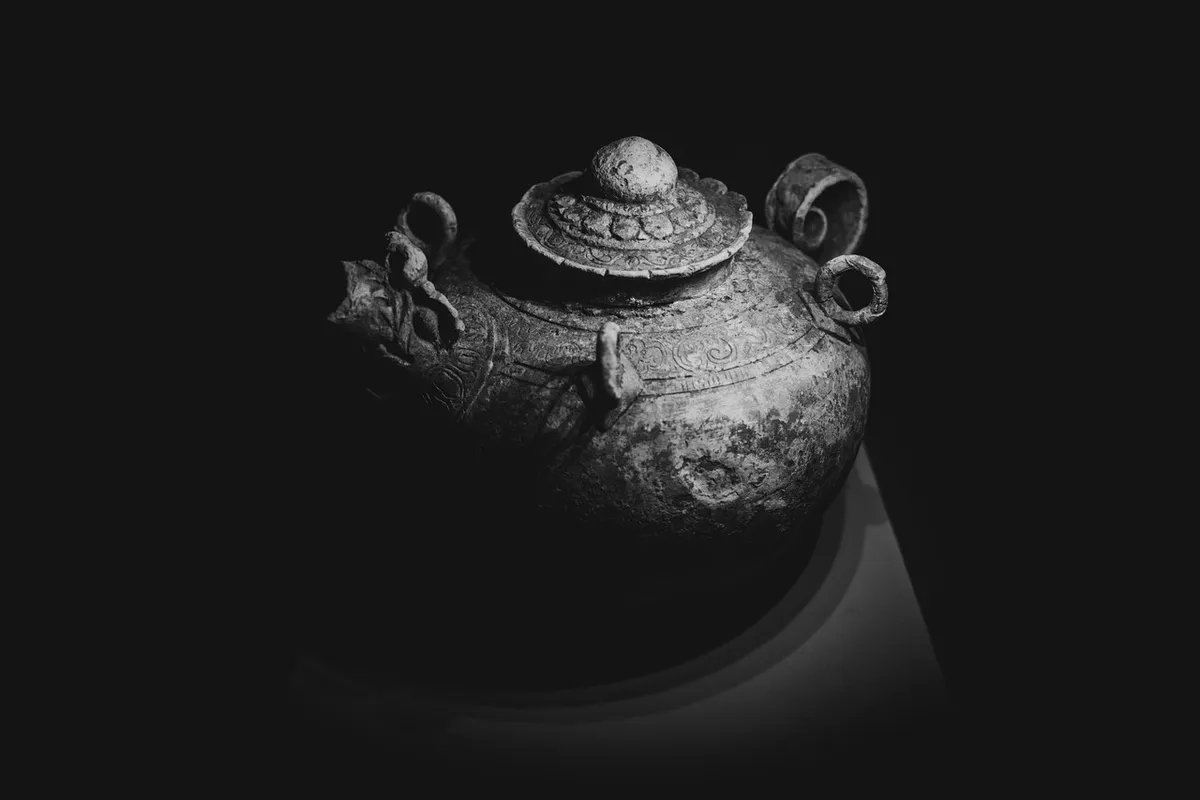
At sunset, I run my fingers over the rough limestone of the ancient fortress, feeling the heavy weight of an economic legacy carved into the stone.
A traveler stands before the weathered limestone walls of a fortress, feeling the weight of centuries in the humid air. These structures serve as more than just ruins; they are the physical manifestations of a distinct history.
Many gusuku and related cultural remains in the Ryukyu Islands have been listed by UNESCO as World Heritage Sites.
These sites act as a primary source for understanding the roots of the island. By preserving these architectural fingerprints, the community maintains a tangible link to its pre-modern sovereignty.
This presence of historical sites ensures that the island's unique heritage remains a central pillar of its identity.
However, the interpretation of these remains can be limited when archaeological context is lost due to environmental shifts. I find that the first point regarding physical evidence is the most fundamental.
What is the impact of land changes on Okinawa unique culture record?
An engineer looks over a blueprint where the coastline has shifted significantly from its original shape. The physical transformation of the island through human intervention has altered the landscape that once hosted traditional ways of life.
Since 1972 over 1,000 hectares (2,500 acres) of land has been added via reclamation (0.83% of the island's total area).
This expansion represents a literal change in the foundation of the island. While reclamation provides space for development, it also alters the coastal geography that defined the original culture.
This shift in terrain is a constant factor in the evolving narrative of the island's physical existence.
The influence of geological shifts is not applicable to intangible oral traditions that exist independently of the physical landscape. I believe the second aspect of environmental change is particularly significant.
How is the Forming Okinawa identity history influenced by modern presence?
A resident walks past a tall perimeter fence that cuts through a once-continuous landscape. The coexistence of civilian life and foreign military presence creates a unique, often tense, social environment.
According to World Bank data, Japan recorded international tourist arrivals of 4,115,800 in 2020.
United States military installations cover approximately 25% of the island and have been a point of contention among locals.
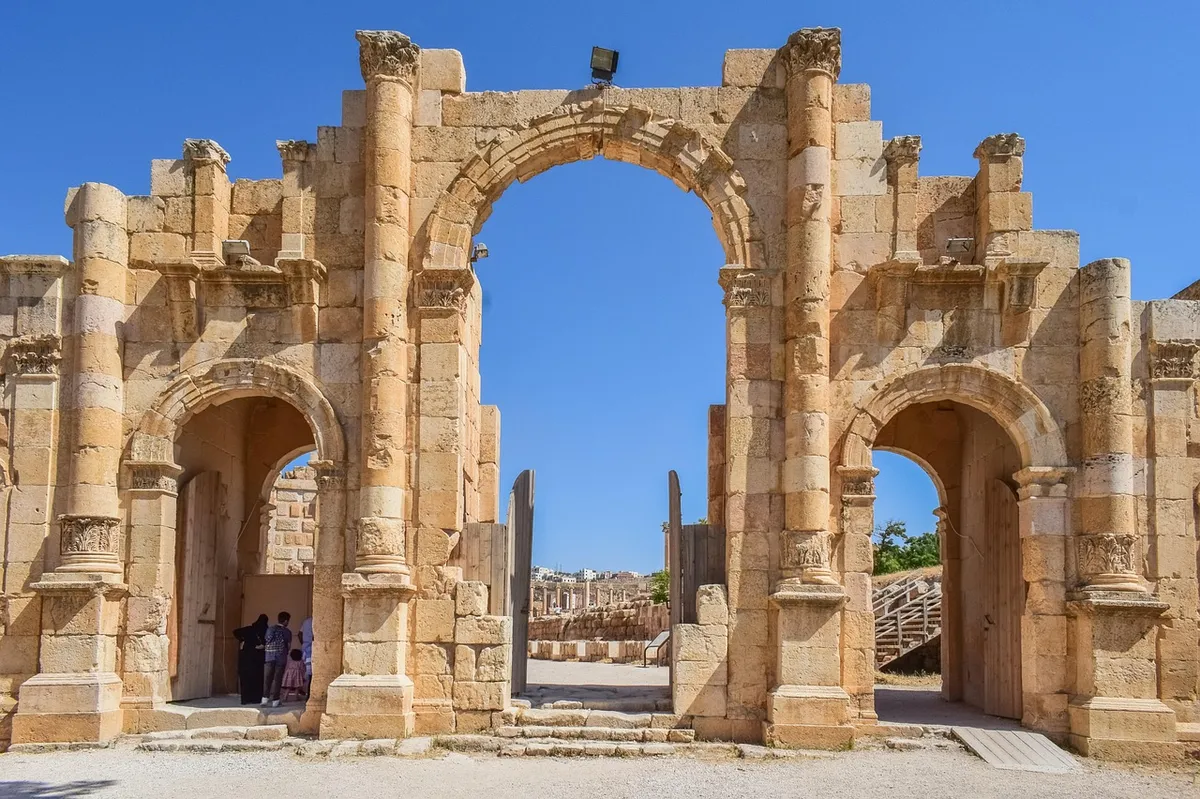
This spatial reality forces a constant negotiation between the past and the present. The presence of these installations is a significant factor in how the local population views its autonomy and its relationship with the outside world.
Such a reality shapes the daily lived experience and the collective memory of the people.
This analysis does not apply to periods prior to the establishment of modern political boundaries. I note that the second step in this historical progression is the most complex.
What role do economic factors play in Cultural texts Okinawa self?
A local business owner calculates the influence of external economic drivers on their small community. The intersection of military spending and local commerce creates a complex economic identity. Military bases account for 4 to 5% of the island economy.
This economic dependency creates a layered identity where survival and heritage are often in conflict. The reliance on specific sectors influences how the community views its own development and independence. Understanding these numbers is essential to grasping the modern social fabric.
The impact of economic shifts is limited when cultural values remain resistant to market fluctuations. I observe that the second factor mentioned is the most influential.
How does the geographic reality of the island affect Okinawa roots cultural trace?
A navigator maps the distance between the island and its neighbors in the Pacific. The island's position in the ocean has always dictated its role as a crossroads of trade and conflict. It is 500 km (270 nmi; 310 mi) northeast of Taiwan.
This geographic isolation and connectivity have fostered a culture that is both distinct and influenced by maritime neighbors. The physical location serves as a constant reminder of the island's strategic importance and its historical role in regional maritime networks.
Geographic constraints do not necessarily dictate the direction of cultural evolution in a linear way. I see that the second point regarding isolation is the most critical.
How does the population distribution influence the Tracing island identity texts?
A citizen looks at a map showing the density of the population compared to the vastness of the mainland. The disparity between the island's size and its administrative responsibilities is a recurring theme in local discourse.
Locals complain that despite being home to less than 1% of Japan's population and area, Okinawa hosts the majority of the U.S.
This demographic reality highlights the disproportionate impact of external factors on the local population. The struggle to balance these pressures while maintaining a distinct identity is a central theme in the island's modern history.
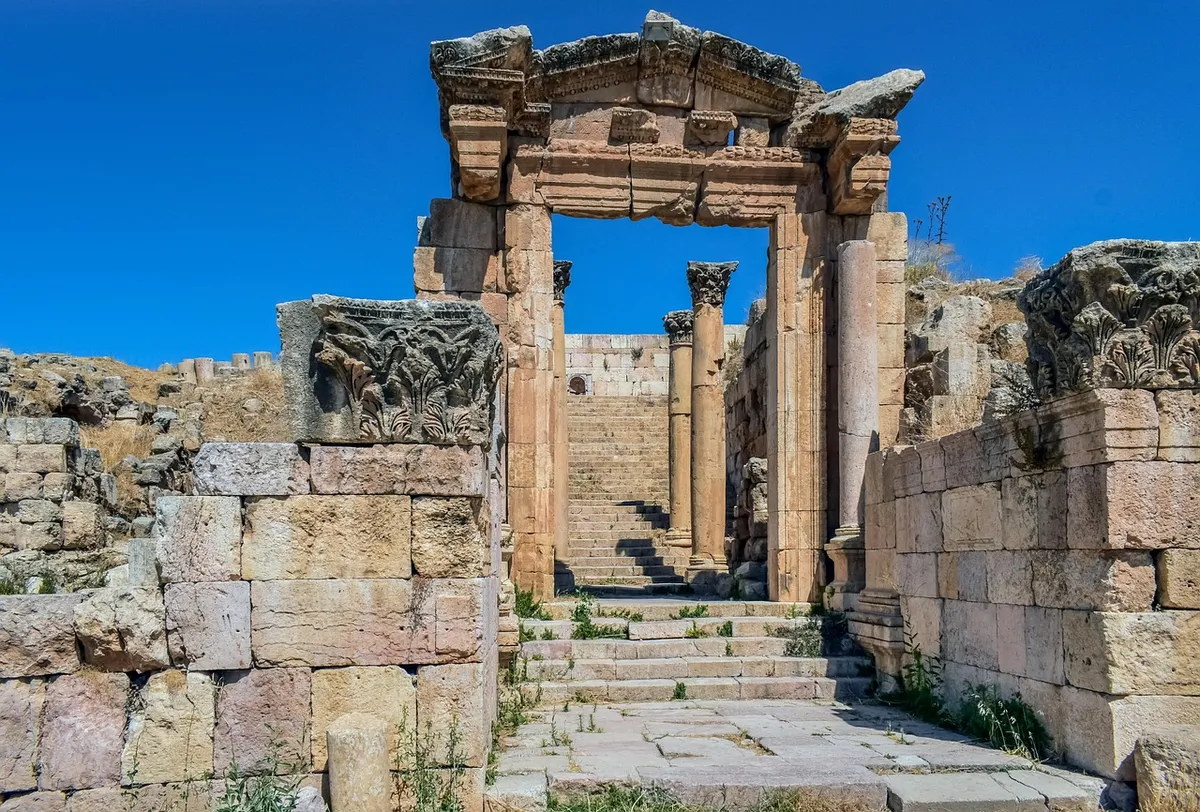
The tension between the small population and the large-scale presence of foreign entities is a defining characteristic.
The relationship between density and identity is not applicable to sparsely populated remote areas. I find that the second stage of demographic shift is the most prominent.
- How do ancient remains shape Okinawa identity cultural records?
- What is the impact of land changes on Okinawa unique culture record?
- How is the Forming Okinawa identity history influenced by modern presence?
The subject here is Okinawa identity cultural records.
This part also covers Okinawa cultural memory role.
This part also covers Historical records shaping self.
Related






Comments 0