Artistic reflection: Okinawa art historical source why
"At least 90% of the buildings on the island were destroyed, along with countless historical documents, artifacts, and cultural treasures, and the tropical landscape was turned into 'a vast field of mud, lead, decay and maggots'."
The historical landscape of Okinawa serves as a profound source of artistic reflection, where the loss of physical heritage meets the enduring weight of memory.
This analysis explores how the devastation of the island shaped its cultural identity and how artists engage with the remnants of a fractured past.
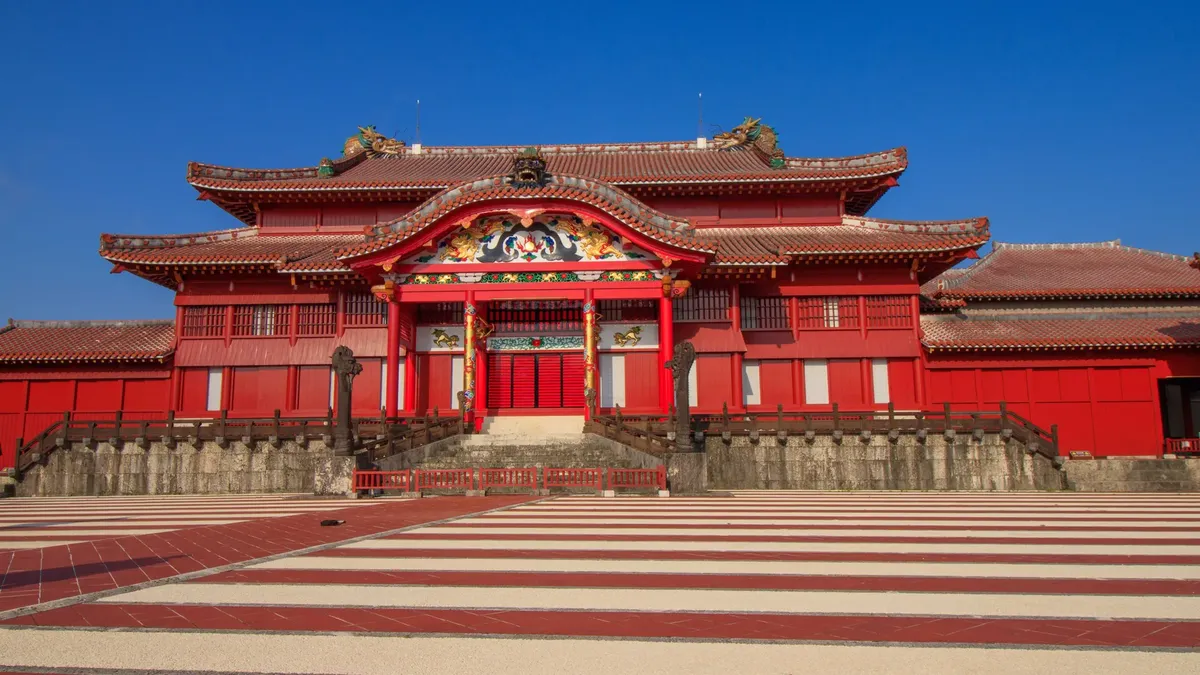
Key takeaways include the impact of total physical destruction on cultural preservation, the role of memorialization in modern identity, and the tension between historical truth and narrative reconstruction.
How did the destruction of the island affect its cultural treasures?
A soldier walks through a field of mud where once a vibrant village stood, searching for any sign of a lost era. The scale of the loss during the conflict was immense, altering the trajectory of local heritage forever.
At least 90% of the buildings on the island were destroyed, along with countless historical documents, artifacts, and cultural treasures. This destruction turned the tropical landscape into a vast field of mud, lead, decay and maggots.
This loss of physical material created a void that subsequent generations of artists and historians had to navigate.
The loss of these artifacts meant that the island's history was no longer just a matter of preservation but a matter of reconstruction. Because so much was lost, the remaining fragments became heavy with symbolic value.
For many, the absence of these treasures became as much a part of the story as the objects themselves.
However, the impact of such loss is often limited when the artifacts were moved to safety before the conflict began.
What role does the museum play in preserving the island's history?
As dusk falls over the quiet halls, a curator runs her fingers over a restored vase, breathing in the scent of old dust and artistic rebirth.
An visitor stands before a massive monument, reading names etched into stone that represent a lifetime of lost stories. The museum serves as a vessel for these voices, bridging the gap between the lost past and the present.
This perspective provides a specific lens through which the island's unique position is understood.
The museum acts as a central point for those seeking to reconcile the complexities of the war.
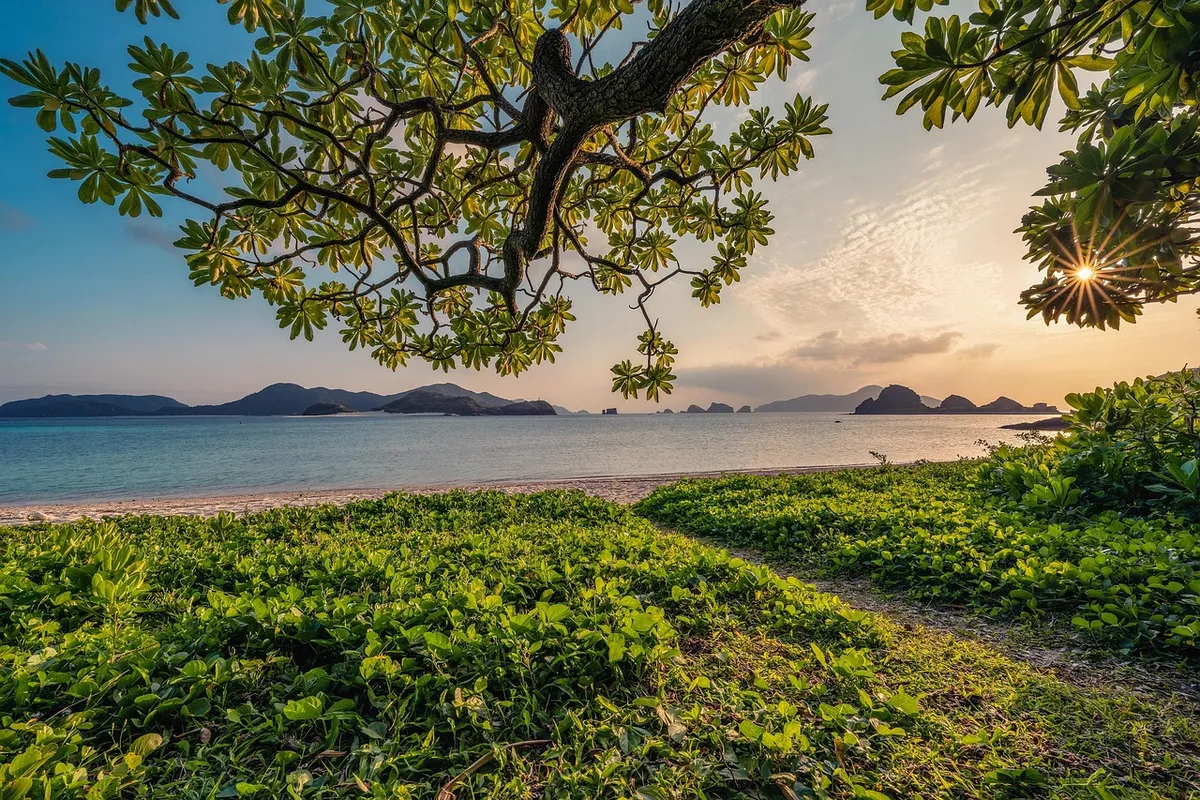
The most complete tally of deaths during the battle is at the Cornerstone of Peace monument at the Okinawa Prefectural Peace Memorial Museum, which identifies the names of each individual who died at Okinawa in World War II.
This specific record serves as a primary touchstone for understanding the human cost. It provides a tangible connection to the individuals whose lives were cut short.
- Curators identify significant relics from the era.
- Artifacts undergo professional restoration processes.
- The collection is organized into permanent exhibits.
How are historical narratives shaped by conflicting accounts?
A researcher compares different textbooks, noting how the phrasing of a single sentence can alter the perception of a historical event. The tension between different accounts of the past remains a central theme in historical study.
The ministry's Textbook Authorization Council allowed the publishers to reinstate the reference that civilians "were forced into mass suicides by the Japanese military", on condition it is placed in sufficient context.
This decision highlights the delicate balance of instructional accuracy and sensitive subject matter. Such adjustments show how much weight is placed on the framing of historical truth.
Navigating these nuances requires a deep understanding of the context in which these events occurred. The tension between different perspectives often shapes how history is taught and remembered. Artists often draw from these contested spaces to explore themes of truth and memory.
In this sequence, the second point is the most extensive.
What were the specific military movements that shaped the island?
A scout observes the shoreline, tracing the paths where different divisions once landed to secure the territory. The movements of various military units defined the geography of the conflict and its subsequent impact.

The first Americans ashore were soldiers of the 77th Infantry Division who landed in the Kerama Islands, 15 mi (24 km) west of Okinawa on 26 March. This landing marked an early stage of the engagement.
On 31 March, Marines of the Amphibious Reconnaissance Battalion landed without opposition on Keise Shima, four islets just 8 mi (13 km) west of the Okinawan capital of Naha.
A group of 155 mm (6.1 in) "Long Tom" artillery pieces went ashore on the islets to cover operations on Okinawa. These tactical movements and the use of heavy equipment left a lasting imprint on the terrain. The strategic importance of the island was evident in these coordinated efforts.
This analysis does not apply to civilian migrations that occurred outside of active combat zones.
How does the geography of the war influence artistic inspiration?
An artist sketches the coastline, imagining the staging points used during the massive military operations of the past. The physical layout of the islands provided both a battlefield and a backdrop for historical events.
According to World Bank data, Japan recorded GDP per capita of US$35,951 in 2025. As of 2013, Japan was one of the least visited countries in the OECD on a per capita basis, according to the OECD.
After a long campaign of island hopping, the Allies were planning to use Kadena Air Base on the island as a staging point for Operation Downfall, the planned invasion of the Japanese home islands, 340 mi (550 km) away. This strategic planning underscores the island's role in larger global movements.
The geography itself becomes a character in the historical narrative.

The relationship between the land and the events that transpired on it remains a focal point for reflection. Understanding these movements is essential to understanding the scale of the disruption. The vastness of the operations highlights the magnitude of the historical impact.
The influence of terrain is less pronounced when the artistic focus remains strictly on human emotion rather than landscape.
Okinawa art historical source
The subject here is Okinawa art historical source.
The same subject is also called Okinawa art history records.
The same subject is also called Island art past influences.
The same subject is also called Okinawa muse inspiring texts.
The same subject is also called Ancient texts art source.
This part also covers Okinawa art past influences.
This part also covers Historical records art muse.
This part also covers Island culture art roots.
Okinawa art past influences
Related






Comments 0