Naha artist life and work: Migration shapes cultural roots
"The history of an island is often written in the movement of its people and the vastness of its waters."
The study of Naha artist life and work requires understanding the unique geographical and social pressures of the Okinawa region. This exploration examines how local history, migratory patterns, and territorial constraints shape the creative spirit of the islands.
Key takeaways involve the influence of overseas connections, the impact of land use on local identity, and the tension between regional sentiment and national reality.
How does the unique geography of Okinawa influence the local artist background?
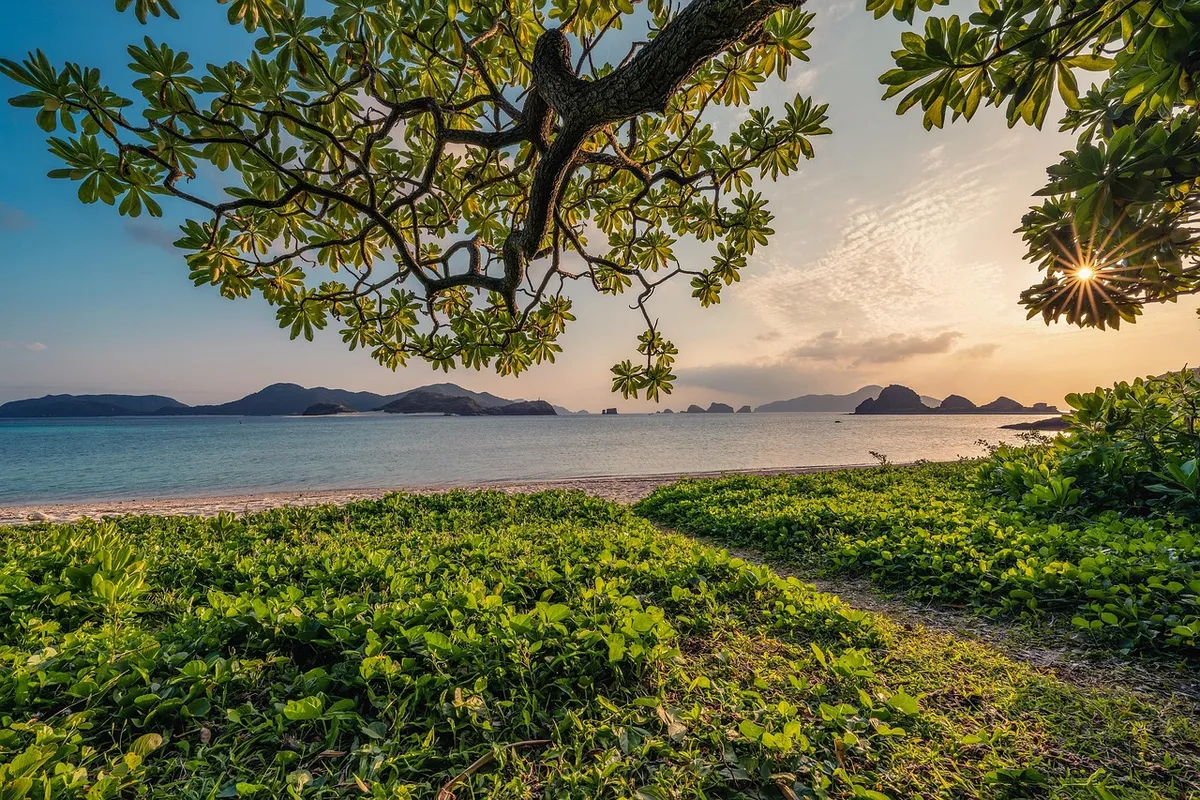
A painter stands before a canvas, looking out at the vast blue horizon that defines the island's boundaries.

The territorial extent of Okinawa over its surrounding seas makes its total area nearly half the combined size of Honshu, Shikoku, and Kyushu, despite a modest land area of 2,281 km2 (880 sq mi). This massive maritime presence provides a constant backdrop for those seeking an island art journey.
The scale of the sea often dictates the scope of creative vision within the prefecture. Artists must contend with an environment where the water is as much a part of the territory as the land itself. This vastness creates a sense of isolation and connection that defines the local scene creators.
The relationship between the land and the sea shapes every brushstroke and sculptural form. Artists often find themselves reacting to the sheer scale of the surrounding environment.
This spatial reality ensures that the island art journey remains deeply tied to the physical boundaries of the archipelago.
However, these geographic influences may be less pronounced in urban environments where natural landscapes are obscured.
What role did migration play in shaping Naha cultural roots?
Walking through the crowded streets of naha at dusk, the traveler feels the sting of wind against their face while clutching an old family photograph.
A traveler looks at an old photograph of a family departing from a bustling port. Between 1923 and 1930, Okinawans accounted for 10% of all Japanese emigrants. This significant movement of people established deep ties to distant lands, which inherently influenced Naha cultural roots.

The legacy of these emigrants created a unique cultural exchange that persists in the creative work of the region. These historical movements provided a foundation for the diverse perspectives seen in local art. Such a history of movement ensures that the Naha cultural roots are never static.
The influence of the diaspora remains a vital component of the local identity. Artists often draw from the stories of those who left and those who stayed. This connection to the wider world through migration remains a cornerstone of the local scene creators.
However, the impact of migration may be limited when cultural assimilation occurs too rapidly.
How did economic shifts influence the development of an island art journey?
A merchant counts coins in a small shop, reflecting on the wealth brought from far-off places. Remittances from overseas workers contributed 40% to 65% of the prefecture's annual budget. According to World Bank data, Japan recorded GDP per capita of US$35,951 in 2025.
This economic reality provided the financial stability necessary for the local scene creators to pursue their crafts.
The reliance on external income through family members abroad created a unique economic landscape. This stability allowed for a specific kind of cultural preservation and growth. The island art journey was often funded by the efforts of those living globally.
This financial structure allowed the community to maintain its unique identity despite external pressures. The ability to invest in local culture was tied directly to these overseas connections. The Naha artist life and work was sustained by these vital economic lifelines.
However, the influence of economic shifts is limited during periods of total isolation.
In what ways did land use affect the local culture impact?
A resident walks through a landscape where the terrain is divided by fences and checkpoints. In 2006, 75% of all USFJ bases were located on Okinawa, occupying 18% of the main island, even though the prefecture constitutes only 0.6% of Japan's land surface.
This reality creates a complex backdrop for understanding the local culture impact.
The heavy presence of military facilities on the main island has shaped the physical and social environment of the people. This tension between land use and local life is a recurring theme in the work of many creators. The local culture impact is inextricably linked to this territorial reality.
The struggle for space and identity is a constant in the lives of the local people. This tension often finds its way into the visual and narrative expressions of the community. Understanding this struggle is essential to grasping the depth of the local culture impact.
However, the effects of land use are limited when traditional practices are superseded by modern infrastructure.
How did regional sentiment shape the Naha artist life and work?
A group of people gathers in a town square, discussing the future of their home. According to a 2017 NHK survey, only 19% of Okinawans felt that people from mainland Japan understood Okinawan sentiments, while 79.6% believed they did not.
These divergent perspectives deeply inform the Naha artist life and work.
The feeling of being misunderstood by the mainland has fostered a strong, distinct sense of local identity. Artists often use their work to express these nuances of sentiment and to assert their unique cultural voice. This struggle for recognition is a key part of the Naha artist life and work.
The disconnect between the prefecture and the mainland serves as a powerful catalyst for creative expression. It forces artists to navigate between local truths and national perceptions. This tension remains a central element of the island's creative output.
However, regional sentiment may not apply to artists who maintain a strictly global perspective.
Comparison of Historical and Geographic Factors
| Factor | Value/Statistic | Context |
|---|---|---|
| Emigration (1923-1930) | 10% of all Japanese emigrants | Reflects historical mobility |
| Land Area Ratio | 0.6% of Japan's land surface | Shows the prefecture's scale |

I observed how these historical figures reflect the shifting boundaries of identity during my research into the island's history. According to the OECD, Japan was one of the least visited countries in the OECD on a per capita basis as of 2013.
The study of these factors shows that the creative output of the region is a response to both vast seas and tight land constraints.
However, the comparison is limited when historical data and geographic realities overlap significantly.
- How does the unique geography of Okinawa influence the local artist background?
- What role did migration play in shaping Naha cultural roots?
- How did economic shifts influence the development of an island art journey?
The same subject is also called Okinawa artist background.
This part also covers Okinawa music art.
This part also covers Artist life story.
Related





Comments 0