Planning Your Trip: Outer Islands vs. Main Island, 3-7 Days
"The blue of the water in the outer islands isn't just a color; it's a different dimension of existence."
If you are staring at a map of the Ryukyu archipelago wondering whether to stay on the main island or hop to the remote reaches, you are asking the right question. The outer islands represent a shift from the accessible, bustling tourism of Naha to a more rugged, soul-stirring maritime reality.
* Is it worth it? Yes, if you prioritize crystalline deep-sea colors and authentic Ryukyuan heritage over convenience. * Planning Focus: Logistics—specifically ferry schedules and rental car availability—are much more rigid than on the main island. * Itinerary Depth: Do not try to do everything; choose between the coral-rich Miyako or the dramatic, mountainous Ishigaki. * Cultural Immersion: Prepare to slow down and respect the local rhythms of island life.
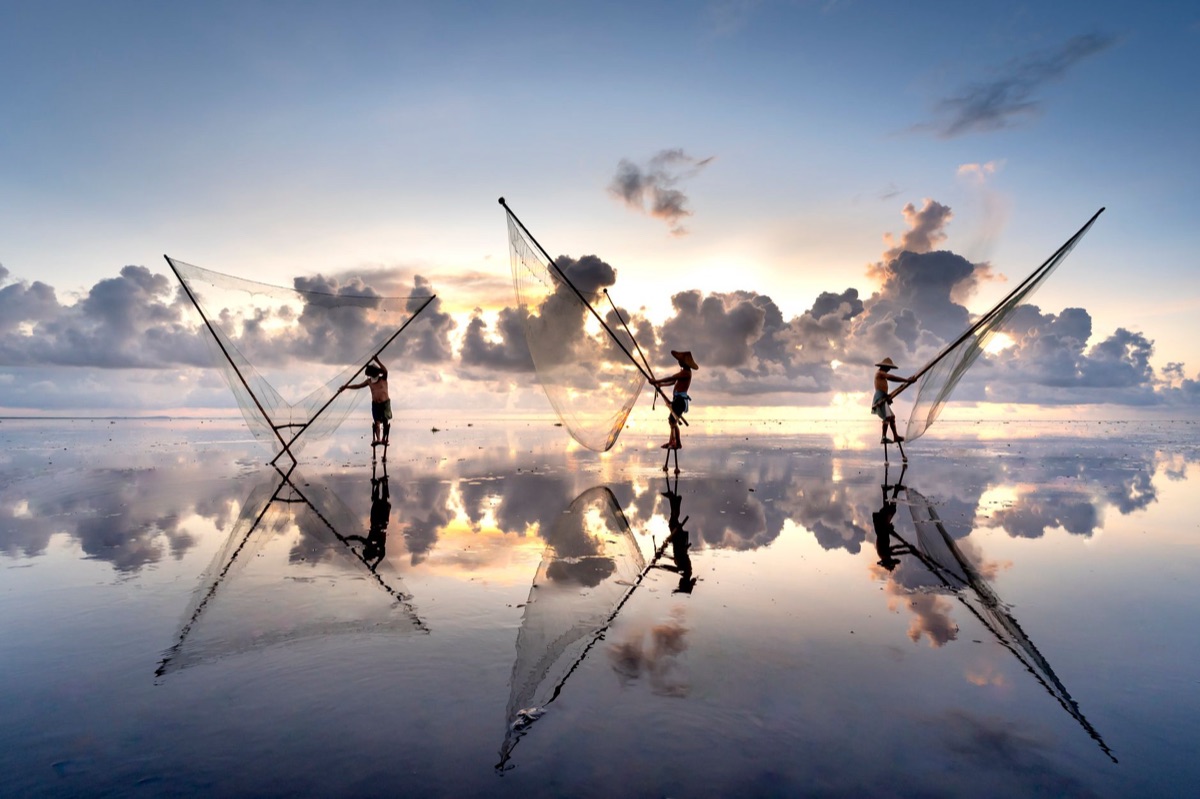
Why go beyond the main island?
At dusk, I stood on the salty pier and stared at the distant horizon, feeling the heavy humidity press against my skin.
I remember standing on the edge of a pier in Naha at 6:30 PM, looking at the massive cruise ships and feeling like I was in a modern city rather than a tropical paradise. According to World Bank data, Japan recorded international tourist arrivals of 4,115,800 in 2020.
It wasn't until I took the long flight south to the outer islands in the summer of 2025 that the true spirit of the Ryukyu Kingdom felt palpable.
The main island of Okinawa is a masterpiece of accessibility, but the outer islands offer an entirely different ecological and cultural profile.
While the main island is roughly 500 km northeast of Taiwan, the outer islands push further into the vastness of the Pacific, offering much clearer water and more dramatic reef systems.
| Feature | Main Okinawa Island | Outer Islands (Miyako/Ishigaki) |
|---|---|---|
| Primary Vibe | Urban, historical, accessible | Remote, nature-centric, slow-paced |
| Water Clarity | Good, but subject to runoff | Exceptional, deep-sea blues |
| Transport | Extensive bus/monorail/car | High reliance on rental cars/ferries |
| Focus | History & Shopping | Diving & Coastal Scenery |
If your goal is deep-sea snorkeling or witnessing untouched coral gardens, the outer islands are non-negotiable. In contrast, the main island provides a more structured mix of history and modern convenience.
The choice depends on whether you want to explore the legacy of the Ryukyu people through ruins and museums or through the sheer, overwhelming scale of the ocean.
But choosing the right destination is only the first hurdle.
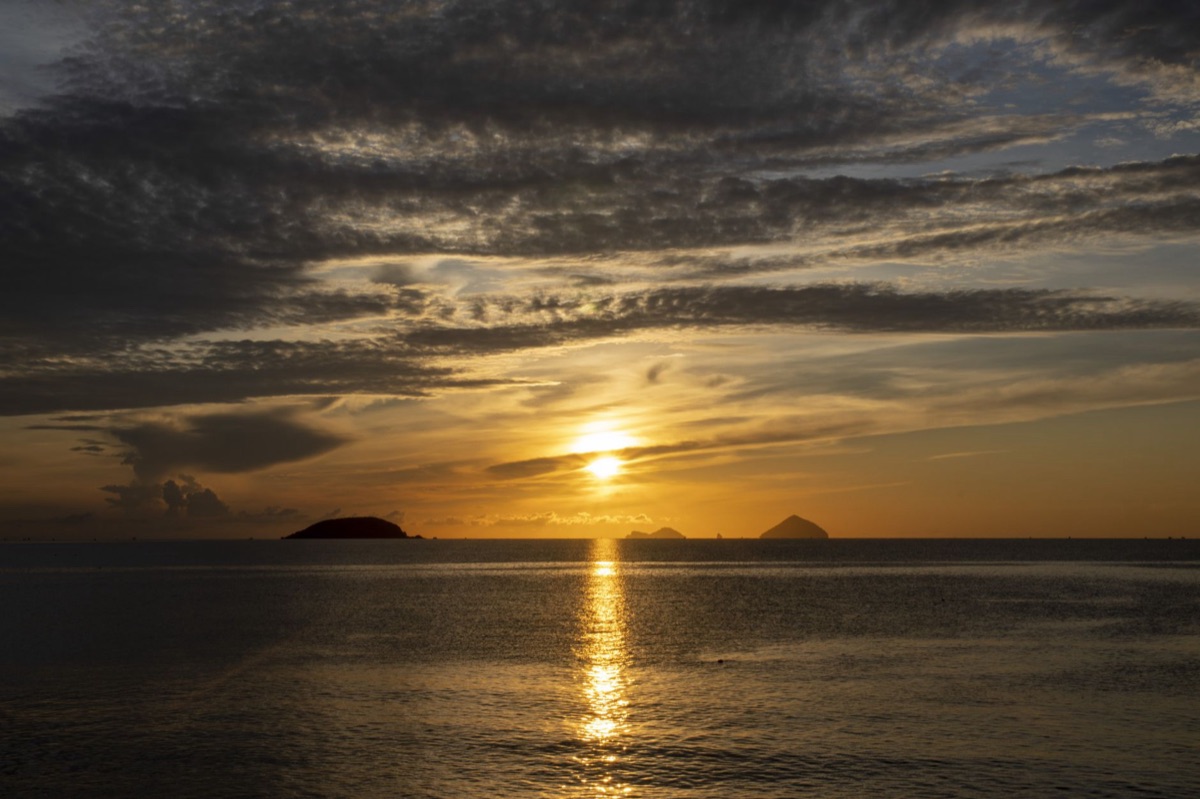
Getting there and getting around without losing your mind
Under the scorching morning sun, I wiped sweat from my forehead while staring at the empty dock where the boat should have been.
I once arrived at a small ferry terminal at 8:00 AM, only to realize the boat I planned to take had been canceled due to sea conditions, leaving me stranded for six hours. In the outer islands, the schedule is the boss, not you.
To reach these islands, you will typically fly from Naha to Ishigaki or Miyako. Once you land, the logistics become much more granular. You cannot rely on the frequent bus lines you might find in Naha; instead, you must master the art of the rental car and the ferry schedule.
- Book Flights and Ferries Early: Unlike the main island, seat availability on inter-island flights can vanish during peak seasons. In 2026, travelers should aim to book at least 3 months in advance.
- Secure a Rental Car Immediately: In places like Miyako, public transit is limited. A car is not a luxury; it is a necessity for reaching remote beaches.
- Check Sea Conditions: If you plan to hop between smaller islands (like moving from Ishigaki to Taketomi), always have a backup plan for ferry cancellations.
- Understand the "Island Time": Do not schedule tight connections. A delay in one ferry can ripple through your entire week.
When planning, decide whether you want a "hub and spoke" model—staying in one major island and taking day trips—or a "multi-island hop." For most travelers, staying in one major hub prevents the exhaustion of constant packing and unpacking.
However, even with a solid plan, you might still struggle to organize your days effectively.
How to structure your perfect itinerary
Walking through the colorful streets of Taketomino at 10:00 AM, I felt as though I had stepped into a living museum, far removed from the neon lights of the mainland. It hit me then that a rushed itinerary is the greatest enemy of a successful island trip.
Depending on your travel window, you should categorize your trip into one of three styles. Do not try to squeeze a week of exploration into a three-day window; you will spend more time in transit than in the water.
The Quick Fix (3 Days) Focus on a single island. If you land in Ishigaki, spend your time exploring the surrounding islands like Taketomi via short ferry rides. This maximizes your time on the sand rather than in an airport terminal.
The Deep Dive (5–7 Days) This is the ideal timeframe. You can split your time between two major islands (e.g., Ishigaki and Taketomi) or spend the entire week exploring the vastness of Miyako-jima and its neighboring islets. This allows you to move past the "tourist spots" and find the quiet corners.
The Thematic Trip * Underwater Photography: Focus entirely on Miyako for its legendary visibility and coral health. * Cultural Immersion: Focus on Ishigaki and the smaller inhabited islands to see traditional Ryukyuan architecture and local crafts. * Relaxation: Choose a high-end resort on a single island and use local taxis for short excursions.
Selecting a theme helps, but the real magic happens when you step off the beaten path and into the local culture.
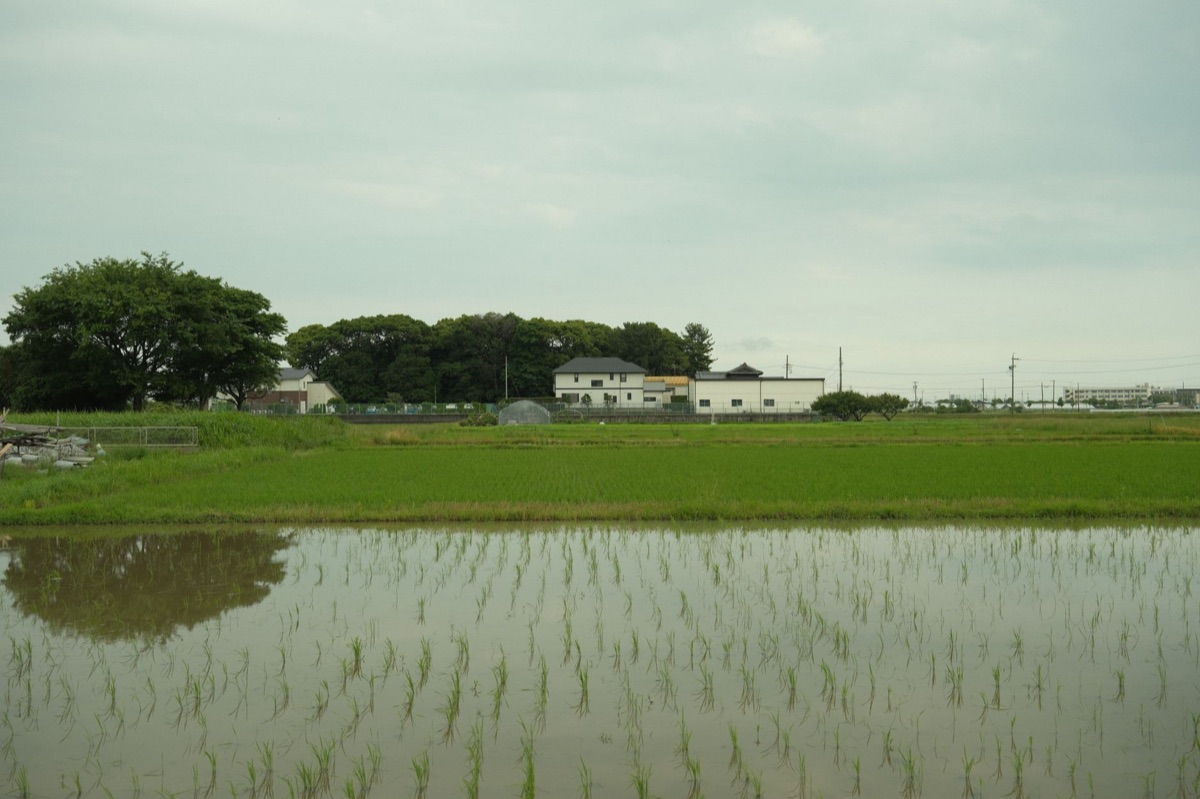
Beyond the beach: eating and living like a local
Sitting in a small, wooden-walled restaurant in a quiet village at 7:30 PM, eating a bowl of steaming noodles while the scent of salt air drifted through the door, I realized that the food here tells a story of survival and sea-dependence.
The food in the outer islands is distinct from the mainland. While you will find Okinawa Soba everywhere, the outer islands often feature unique ingredients sourced from the immediate environment.
In the islands, you will encounter more heavy use of local pork (Agu), fresh seafood that changes daily, and unique tropical fruits.
* Taste the Difference: Look for local specialties like *Yaeyama Soba* in the Ishigaki area, which often has a different flavor profile than mainland versions. * Respect the Community: Many of these islands are small, tight-knit communities. When visiting traditional villages, keep noise levels down and follow local customs regarding photography and sacred sites. * Sustainability Matters: The coral reefs are fragile. Always use reef-safe sunscreen and never touch the marine life. The very beauty you traveled thousands of miles to see is easily destroyed by careless hands.
Staying mindful of these local nuances is vital, but you might still have lingering questions about the logistics of your trip.






Comments 0