Japan aging population trends tips for future workforce
"The shift in demographics is not merely a statistic but a fundamental transformation of how society moves and interacts."
For travelers and observers, understanding these shifts reveals a landscape moving toward a significantly older demographic.
How is the Japan aging population trends shifting the workforce?
At dusk in a Tokyo office, a manager rubs tired eyes while staring at the gaps in the Japan labor roster.
The Census Bureau estimated in 2002 that Japan would experience an 18% decrease of young workers in its workforce and an 8% decrease in its consumer population by 2030.
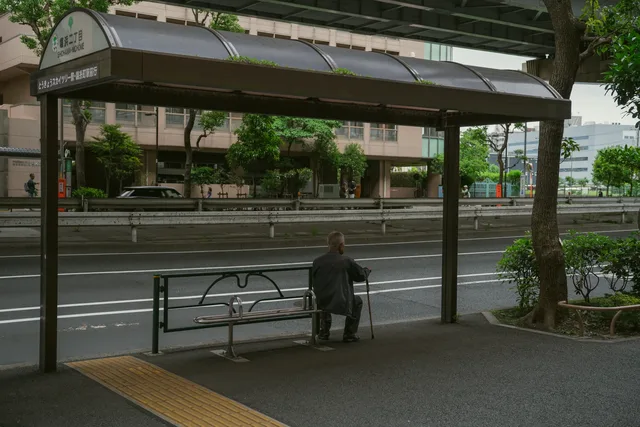
This demographic shift creates significant pressure on service industries that rely on younger, mobile laborers.
The scale of this transition is evident in the changing composition of the labor pool. About 40% of Japan's labor force is non-regular, including part-time and temporary workers. As the workforce ages, the availability of these roles may become more competitive.
This structural change is a core component of the broader Japan social structure change.
What is the current state of the Japanese population?
A researcher examines a digital map of population density, watching the numbers fluctuate across different prefectures. According to World Bank data, Japan recorded a total population of 123,366,734 in 2025. According to KOSIS, the total resident population of Japan is 51,117,378 as of 2025.
This massive figure represents a society deeply engaged in managing the needs of a vast, aging citizenry.
The demographic weight is heavily skewed toward older residents. In 2025, the population aged 65 and over was estimated at 36.19 million, or 29.4% of the total population. This makes the nation a primary example of demographic transition.
This is a critical aspect of the Aging impact on tourism as the services required for travelers must adapt to these needs.
How does the population age affect future projections?
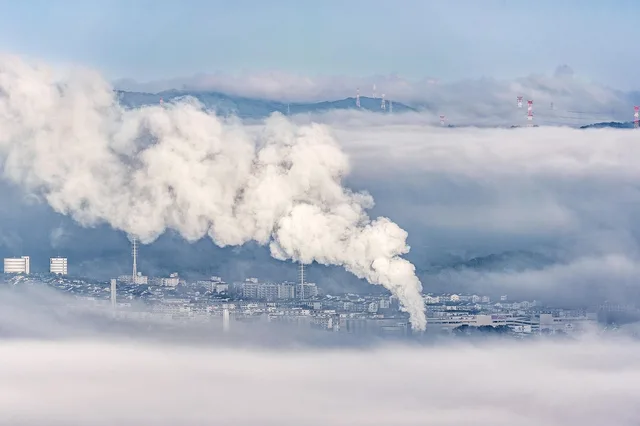
A historian traces a line on a graph, noting the sharp descent of the total population curve. If the current demographic trend continues, the total population is expected to shrink to 107 million (by 16%) by 2040 and to 97 million (by 24%) by 2050.
This long-term decline suggests a massive transformation in urban and rural management.
The potential for decline is a global concern. A 2020 global analysis found that Japan was one of 23 countries that could see a total population decline of 50% or more by 2100. This long-term outlook is central to the Japan social structure change.
Is Japan's elderly proportion unique?
A traveler walks through a crowded intersection in Osaka, noticing the silver hair of many pedestrians. Japan has the highest proportion of people aged 65 and over among the 38 countries compared in the Statistics Bureau of Japan's 2025 report.
According to the Statistics Bureau of Japan, Japan has the highest proportion of people aged 65 and over among the 38 countries compared in the Statistics Bureau of Japan's 2025 report.
This demographic reality is a defining feature of the current social landscape.
The rise of the elderly is a documented phenomenon over several decades. From 1974 to 2014, the number of Japanese people 65 years or older nearly quadrupled, accounting for 26% of Japan's population at 33 million individuals. This historical trend highlights the speed of the aging process.
What are the implications for tourism?

An airport agent processes a flight manifest, checking the age of the passengers arriving from abroad. According to World Bank data, Japan recorded international tourist arrivals of 4,115,800 in 2020. These visitors represent a vital part of the economy even as the domestic demographic shifts.
The intersection of these trends creates a complex environment for future resorts. The Aging impact on tourism will likely require more accessible infrastructure and specialized services for both domestic and international travelers.
Understanding these shifts is essential for anyone studying the future of Japanese resorts.
How can we track these demographic changes?
A student compares historical census data with current projections in a university library. To understand the trajectory, one must follow these specific steps:
- Monitor the annual changes in the total population reported by official agencies. 2. Analyze the ratio of individuals aged 65 and over relative to the total population. 3. Evaluate the decline in the proportion of children aged 14 and younger. 4. Perform a final check to ensure the data reflects the most recent census estimates.
I noticed how the proportion of children aged 14 and younger decreased from 24.3% in 1975 to 12.8% in 2014. This trend is a precursor to the current demographic imbalance. The decline is not limited to the elderly; the youth demographic is also shrinking significantly.
| Demographic Metric | Current/Recent Value |
|---|---|
| Population aged 65+ (2025) | 29.4% |
| Population aged 14 and younger (2014) | 12.8% |

The scope of these demographic shifts is limited to the specific population data and projections provided by the identified statistical sources.
- Japan's aging population trends are reshaping the nation's future, impacting everything from labor markets to tourism demand.
- Key takeaways include a shrinking workforce, a massive increase in the elderly population, and a projected decline in total population numbers by the end of the century.
- A manager reviews a roster of part-time staff in a quiet Tokyo office, noticing the gaps in the schedule.
Related
- Military presence shapes Okinawa beach town identity guide
- Okinawa singer debut tips guide local music scene
How does the shift in demographics affect regional distribution?
- The analysis of population density reveals that the shift in demographics is not uniform across all regions. 2. Some prefectures experience a faster rate of aging than others, influencing local service demands. 3. The concentration of older residents in certain areas puts unique strain on local healthcare resources. 4. This regional disparity complicates the national response to the shift in demographics.
The aging impact on tourism is also felt regionally, as older domestic travelers often prefer different types of destinations than younger visitors. The concentration of the elderly population in specific areas means that infrastructure needs must be tailored to that local demographic reality.
This localized effect underscores the complexity of the overall shift in demographics.
What conditions must be considered when assessing the shift in demographics?
- One must consider the historical trend of the youth demographic decline, which preceded the current imbalance. 2. The rate at which the elderly population grew from 1974 to 2014 provides a measure of the shift's velocity. 3. Comparing the current proportion of those aged 65 and over against previous decades helps gauge the severity of the shift in demographics. 4. The global context, as noted in prior analyses, shows Japan as a unique case among nations facing this demographic shift.
The caution regarding the long-term outlook suggests that even if the total population stabilizes, the composition of that population will remain heavily weighted toward older residents. This condition necessitates long-term planning for social support systems.
The data shows that the decline in the proportion of children aged 14 and younger is a key indicator of this systemic shift in demographics.








Comments 0