Okinawa Travel Guide: Best Months for Your Dream Visit
"The best time to visit Okinawa depends entirely on whether you are chasing the sun or seeking the soul of the Ryukyu Kingdom."
If you want turquoise waters and white sands, aim for late spring or summer. If you prefer exploring Shuri Castle or wandering through local markets without the sweat, autumn or winter is your window.
* Peak Season (High Sun/High Crowds): Mid-Summer (July–August) offers guaranteed warmth but commands higher prices. * Shoulder Season (Best Balance): Spring (April–May) and Autumn (October–November) provide excellent weather with fewer crowds. * Low Season (Budget/Adventure):ly: Winter (December–March) is ideal for deep cultural immersion or budget travel, though ocean activities are limited. * Crucial Consideration: Always check the typhoon season window (typically summer/early autumn) before booking.
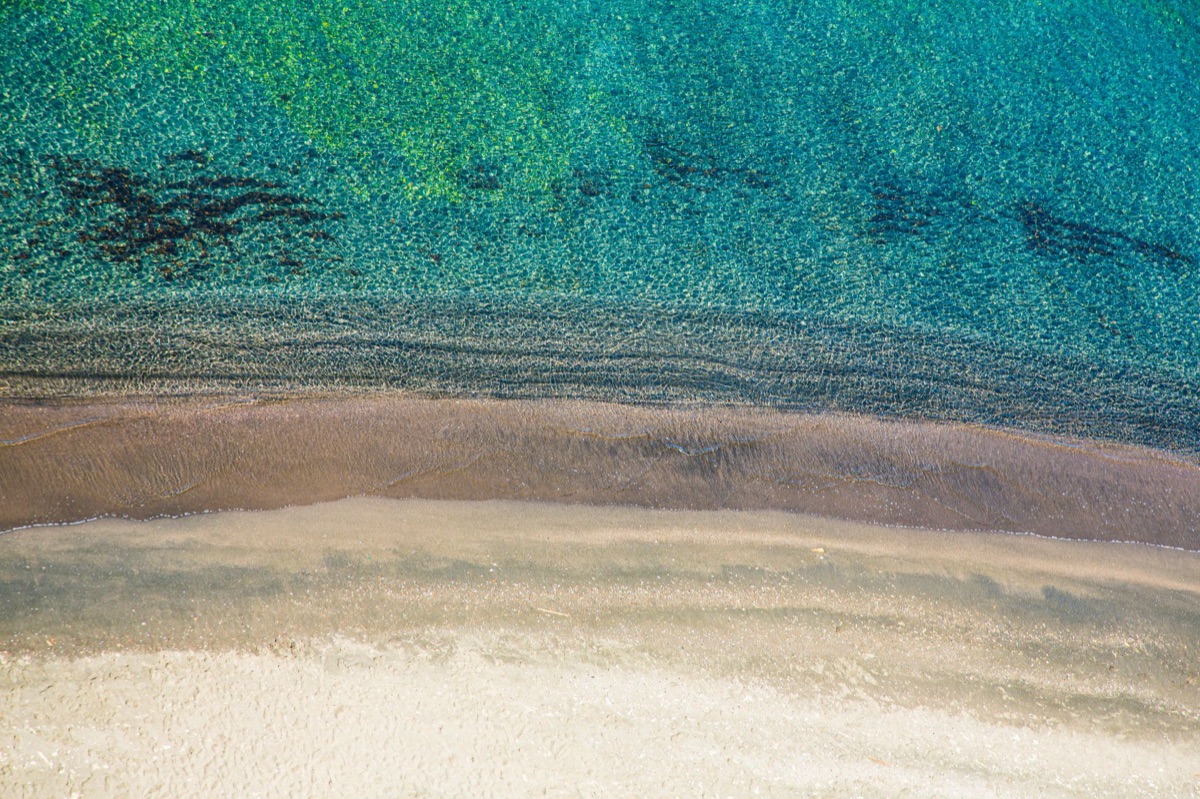
What is it like throughout the year? The sun hits the pavement in Naha, and the humidity feels like a warm, heavy blanket as you step out of the airport in July 2025. You look at your itinerary and wonder if you've picked the right month to experience the islands.
The climate in Okinawa is unique because the islands experience temperatures above 20 °C (68 °F) for most of the year. This consistent warmth means you aren't fighting freezing snow, but you are often negotiating with the elements.
Spring (March–May): This is often the ideal time for an initial visit. The weather begins to warm up significantly, making it perfect for outdoor exploration. While the ocean is getting warmer, it is often clear and beautiful.
Crowds start to build up toward May as the school year ends in Japan, so early spring is a sweet spot for peace.
Summer (June–September): This is the peak of the heat and the definitive swimming season. The water is at its most inviting, but the humidity can be intense. This is also the period where you must be mindful of the typhoon season, which can cause sudden changes in travel plans.
Autumn (October–November): Many seasoned travelers consider this the "sweet spot." The extreme, oppressive heat of August fades, but the ocean water remains warm enough for a dip. The typhoon risk decreases significantly as you move into November, offering much more stable travel windows.
Winter (December–February): While it is the "coolest" time, it remains mild. It is not a snowy winter, but the ocean activities are limited due to lower water temperatures.
This is the best time for cultural deep dives—visiting historical sites or attending local festivals—without the distraction of extreme heat.
Shoulder Months (April, May, October, November): These months offer the most balanced experience. You get a mix of manageable crowds and stable weather that allows for both sightseeing and occasional swimming.
| Season | Primary Vibe | Water Temp | Typhoon Risk |
|---|---|---|---|
| Spring | Exploration & Bloom | Moderate | Low |
| Summer | Sun & Sea | High | High |
| Autumn | Relaxation & Balance | Warm | Moderate/Low |
| Winter | Culture & History | Low | Very Low |
But knowing the months is only half the battle.
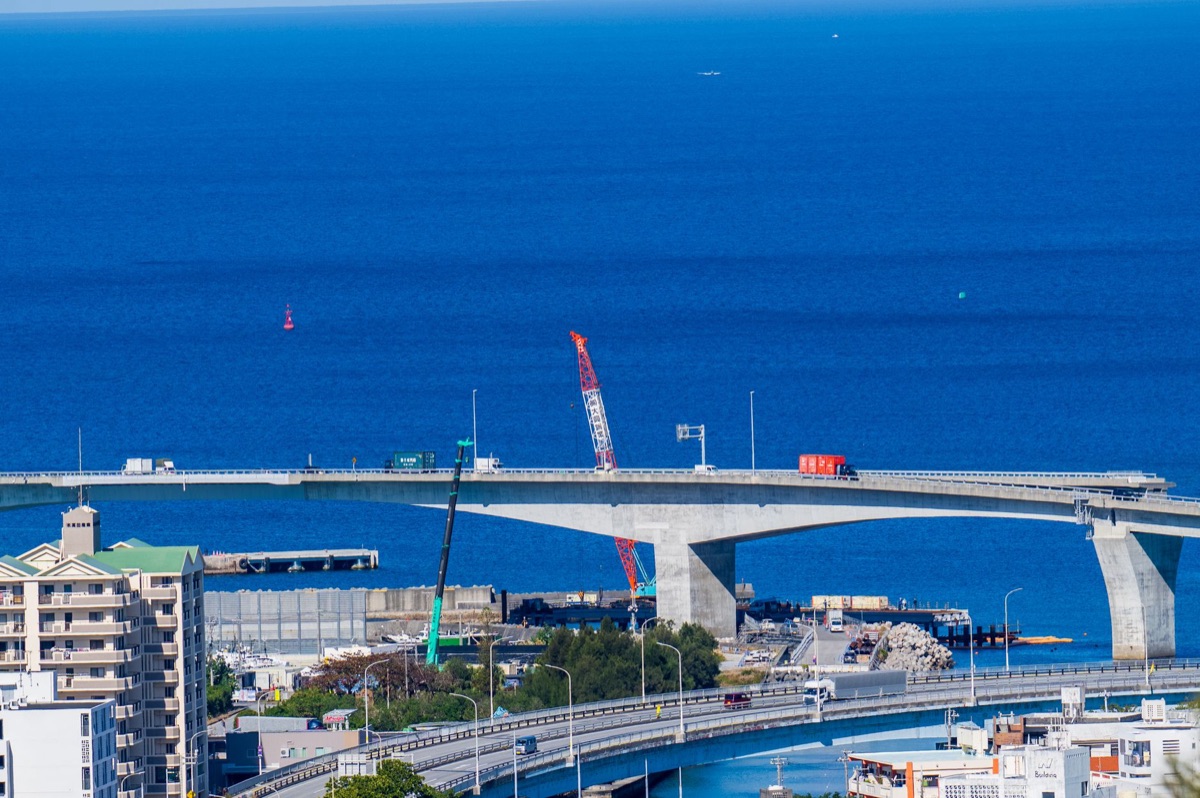
Which timing fits my vibe? As the autumn sun dips low, you pull a light sweater tight against the cooling air while gazing at the turquoise horizon.
You stand on the edge of a white sand beach in Miyako-jima, looking at the transition from turquoise to deep cobalt water in the heat of August 2025. You realize that your definition of a "perfect trip" is entirely different from the person sitting in the cafe next to you.
Because Okinawa offers such diverse experiences, your travel goals should dictate your calendar.
Goal: Sunbathing and Swimming Enthusiasts If your primary mission is to lounge on a floatie or snorkel in crystal-clear water, mid-summer (July–August) is your target. The water is at its warmest, and the sun is bright.
However, you must budget for peak pricing on resorts and be prepared for the intense humidity.
Goal: Culture and Sightseeing If you want to walk through the gates of Shuri Castle or explore the winding streets of Naha without breaking a sweat, consider late autumn or early spring.
These periods allow you to focus on the history of the Ryukyu Kingdom and local architecture without the physical exhaustion caused by extreme heat.
Goal: Budget Travelers For those looking to stretch their yen, deep winter or late autumn are the best bets. During these months, accommodation costs drop significantly, and you can often find luxury resorts at a fraction of their summer prices.
Goal: Families with Young Children Traveling with toddlers or young kids requires predictability. Spring and autumn offer the most moderate weather, which is easier on children's sensitive skin and energy levels than the blistering summer heat.
But what happens when the weather doesn't match your plans?
🚗 Beyond Weather – Logistics and Practicalities
The rental car pulls into a narrow parking space in Onna-son, and you realize that the road layout is quite different from what you expected during your first morning in 2026. Navigating a new country requires more than just a map; it requires understanding the local rhythm.
When planning your trip, you must look beyond the thermometer and consider the logistical realities of the islands.
Typhoon Risk Assessment: The typhoon season typically spans from summer through early autumn. While a typhoon can lead to incredible weather, it can also cause flight cancellations and road closures.
It is highly recommended to have travel insurance and a flexible booking policy when traveling during these months.
Crowd Density vs. Cost: Peak season brings the highest prices for hotels and rental cars. In contrast, the off-peak months allow for much easier bookings and lower entry fees for various attractions. If you are looking for a quiet, private experience, avoid the July–August window.
Driving Conditions: Driving in Okinawa often involves navigating winding coastal roads or busy city streets in Naha. Extreme rain during the rainy season or extreme heat can affect driving comfort and visibility.
Always ensure your rental car is equipped with modern climate control to manage the humidity.
Cultural Context: Timing your visit can align you with local traditions. For example, certain festivals or local events might coincide with specific seasonal shifts. Being aware of these can turn a standard vacation into a profound cultural experience.
However, the biggest variable is always the water.
🏝️ Deep Dive: When is the Ocean Truly Ready?
The salt spray hits your face as you prepare to dive into the water, and you wonder if the temperature will be refreshing or bone-chilling during your sunrise swim in 2025. For many, the ocean is the main attraction of Okinawa.
The "readiness" of the ocean depends on your planned activity.
Swimming Seasonality: For casual swimming and beach lounging, the months from late May through October are the gold standard. The water is warm enough that you won't feel a shock when you step in.
Advanced Activities (Diving and Snorkeling): For those interested in scuba diving or snorkeling, visibility is often the most important factor. Summer often provides great warmth, but the rain can sometimes cloud the water.
Late spring and autumn often provide the best balance of warm water and high visibility, making it easier to see the vibrant coral reefs and tropical fish.
Water Temperature Comparison
* Summer (July–Aug): Very Warm. Perfect for all water sports without a wetsuit. * Spring/Autumn: Warm to Moderate. Wetsuits may be needed for longer dives. * Winter: Cool. Primarily for sightseeing; swimming is generally notly recommended unless you are a very hardy swimmer.
If you are planning a trip to the islands, remember that the transition between seasons is often the most rewarding time to visit.
Whether you are looking for the high energy of a summer festival or the quiet contemplation of a winter stroll through a historic garden, Okinawa has a rhythm for every traveler.
📝 How to Plan Your Perfect Okinawa Trip
When I sat down to plan my own trip through the islands, I realized that a successful itinerary requires more than just picking a month. I had to balance my desire for sun with my need for comfort.
To help you navigate your own planning, follow this checklist to ensure you hit all the right notes:
- Define your primary objective: Are you there for the water, the history, or the budget? This choice dictates your month.
- Check the typhoon window: If you book between July and September, always have a "Plan B" for indoor activities and a flexible flight policy.
- ly3. Layer your wardrobe: Even in summer, air-conditioned buildings can be chilly. In spring/autumn, you will need light layers for the transition from sun to shade.
- Book transport in advance: Rental cars are essential for exploring outer islands like Ishigaki or Miyako, but they sell out during peak summer months.
- Verify local festival dates: Check the specific dates for local Ryukyu festivals to see if they align with your visit.




Comments 0