Miyakojima: Is the Blue Water Worth the Flight Journey?
"Is Miyakojima the deep dive into Ryukyu heritage and unparalleled underwater views you are hoping for, or is it just an expensive detour?"
Deciding whether to fly to Miyakojima instead of staying on the Okinawa main island is the ultimate traveler's dilemma. While Okinawa offers a perfect mix of history and coastline, Miyakojima offers a specific, high-intensity blue that you won't find anywhere else in the archipelago.
* Miyakojima vs. Ishigaki: Choose Miyakojima for superior water clarity and "Miyako Blue," while Ishigaki serves as a better hub for exploring multiple outer islands. * Ideal Visitor Profile: This destination is perfect for snorkelers, divers, and those seeking quiet, high-end relaxation rather than nightlife or shopping. * Logistics Snapshot: Expect limited public transit; a rental car is essential, and flights typically require a connection through Naha or direct seasonal routes.
Why Choose Miyakojima? Comparing its Unique Charm vs. Other Destinations
The sun hit the dashboard of my rental car as I drove across the Irabu Bridge, the massive white structure arching over a sea so clear it looked like liquid turquoise. I remember looking at the water and wondering if the color was actually real or just a trick of the light.
According to World Bank data, Japan recorded GDP per capita of US$35,951 in 2025.
Miyakojima is defined by its unique geological makeup, specifically its coral-rich seabed and the way the deep ocean currents interact with the shallow reefs.
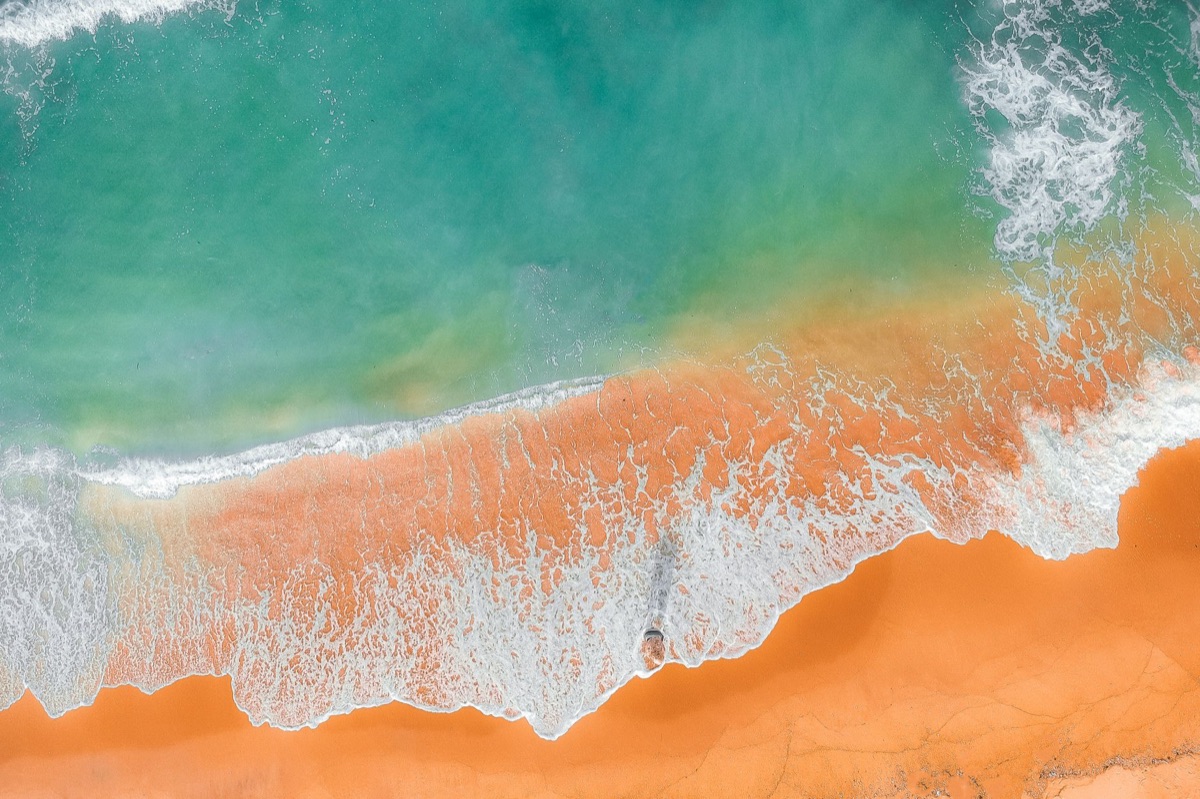
This creates the famous "Miyako Blue," a shade of cerulean that is deeper and more vibrant than the coastal waters of the Okinawa main island.
While Okinawa has beautiful beaches, Miyakojima’s water lacks the heavy silt and runoff often found in more populated areas, resulting in much higher visibility.
When comparing this to Ishigaki, the distinction becomes clear. Ishigaki is a bustling hub, a gateway to the Yaeyama Islands, and offers a more diverse mix of mountain trekking and cultural sites. In contrast, Miyakojima is a specialized destination.
It is a place where the primary attraction is the sea itself. If you are looking for a multifaceted itinerary involving shopping and diverse land activities, you might find Miyakojima too focused. However, if your goal is to witness the most stunning marine environments in Japan, the choice is easy.
The local culture also offers a different flavor of the Ryukyu spirit. While the main island is heavily influenced by modern tourism and historical sites like Shuri Castle, Miyakojima feels slightly more isolated and traditional in its pace.
The local customs, such as the unique folk songs and the preservation of specific agricultural traditions, provide a glimpse into a more secluded island life. For a truly satisfying trip, a minimum of four days is recommended to allow for both travel time and meaningful exploration of the coastline.
Planning Your Trip: Logistics & Getting There
I stood in the middle of Naha Airport, looking at the departure board and realizing that the transition from the main island to the remote islands is a significant jump in travel time.
Getting to Miyakojima usually involves a flight, typically through Naha. Depending on your starting point, you might face a few hours of travel time, making it a significant commitment for a short weekend.
Unlike the main island, where you can sometimes rely on the Yui Rail or local buses for major stretches, Miyakko-jima essentially requires a rental car. The roads are well-maintained but can be winding, and you will need to navigate coastal routes to reach the best spots.
The best time to visit is between late April and June, or September and October. You want to avoid the peak of the typhoon season, which can hit between July and August, potentially disrupting flights and making sea activities dangerous.
During the summer, the heat is intense, so plan your outdoor activities for the early morning or late afternoon.
Accommodation on the island ranges from high-end luxury resorts to smaller, family-run guest houses. If you want a resort experience with private beach access, you will likely look toward the eastern or northern coasts.
If you are on a tighter budget, staying in the central areas near Hirara provides easier access to local dining and shops, though you will still need to drive to reach the prime beaches.
| Feature | Okinawa Main Island | Miyakojima |
|---|---|---|
| Primary Vibe | Mix of City, History, & Beach | Pure Marine & Relaxation |
| Transport | Trains, Buses, & Cars | Rental Car Essential |
| Water Clarity | Good | Exceptional (Miyako Blue) |
| Ease of Access | High (International Hub) | Moderate (Requires Flight) |
The Underwater Experience: Is the Swim Worth the Journey?
The first time I dipped my mask into the water at Shigira Beach, the sheer transparency of the ocean made me feel as though I were floating in mid-air rather than swimming.
For those who live for the water, the answer to "is it worth it?" is almost always yes. The visibility in Miyakojima is legendary, often exceeding 20 to 30 meters in clear conditions.
This makes snorkeling and scuba diving an entirely different experience compared to the more crowded, sometimes murkier waters of Okinawa. The coral formations are healthy and vibrant, providing a massive playground for marine life.
While snorkeling is excellent for all ages, the island is a premier destination for more serious divers. The drop-offs and deep-sea visibility allow for incredible underwater photography and sightings of larger marine species.
However, because of the strength of the currents and the depth of some areas, a certain level of swimming proficiency is required. It is not a place for casual wading in the shallows alone; you need to be prepared for the open ocean environment.
Safety is paramount. The currents can be unpredictable, and the transition from shallow reef to deep blue can happen quickly. It is highly recommended to join guided tours, especially if you are not an experienced diver.
Local guides know the specific tidal patterns and the safest entry points for the various reefs. Always check the weather and sea conditions before heading out, as the "blue" can become dangerous during high winds or heavy swells.
Beyond the Beach: Local Life, Food, and Culture
Walking through the small streets of Hirara at dusk, the smell of grilled meat and the sound of local music reminded me that there is much more to this island than just the coastline.
While the sea is the star, the culinary scene is a major draw. You must try Miyako Soba, which is distinct from Okinawa Soba in its noodle texture and flavor profile. Local pork dishes, particularly those utilizing Agu pork, are staples that reflect the island's agricultural heritage.
Seafood is, of course, incredibly fresh, and visiting local markets is a great way to sample seasonal catches.
Cultural immersion is possible through visiting local shrines and participating in seasonal festivals, though these are often more community-focused than tourist-centric.
Unlike the large-scale theme parks on the main island, culture here is found in the small details: the architecture of traditional houses, the local crafts, and the quiet dignity of the islanders.
For those who want a break from the water, there are opportunities for exploring the interior of the island. You can visit historical sites that tell the story of the Miyako Islands' unique history, or take a short ferry ride to neighboring islands like Irabu or Kurima.
These excursions allow you to see the different facets of the island's geography, from limestone cliffs to lush greenery.
Who is Miyakojima For? Matching Your Trip to the Destination
I sat on a bench overlooking the ocean, watching a group of divers load their gear, and realized that everyone here seemed to have a very specific reason for being here.
To decide if you should go, you need to match your travel style to the reality of the island.
* The Deep-Sea Enthusiast: If your primary goal is world-class snorkeling, diving, and seeing incredible marine life, Miyakojima is a non-negotiable destination. * The Relaxation Seeker vs. The Culture Seeker: If you want a quiet, high-end retreat where the ocean is your backdrop, you will love it. However, if you are looking for museums, bustling city streets, and heavy historical tours, you might find it too quiet. * The Adventurer vs. The Short-Haul Traveler: This is for the traveler who views the flight and the drive as part of the adventure. If you prefer a low-effort, "everything in one place" vacation, you might find the logistics of Miyakojima frustrating.
Ultimately, the budget is a factor. Because it is a more remote destination, flights and car rentals can be more expensive than staying on the main island. You are paying for the exclusivity of the environment and the quality of the natural beauty.


Comments 0