Okinawa Beaches: Guide to Swim Spots & Blue Cave Tours
"The water isn't just a backdrop in Okinawa; it is the very soul of the islands."
If you are staring at a map of the Ryukyu archipelago wondering whether to hunt for coral or just lounge under a palm tree, you have come to the right place. This guide breaks down exactly how to navigate the turquoise waters of Okinawa to ensure you hit the right beach at the right time.
Key Takeaways * Optimal Timing: Peak swimming occurs from June through September, but year-round warmth makes much of the year viable. * Beach Selection: Choose gentle, shallow shores for families and rugged, rocky coasts for serious snorkelers.
* Activity Variety: From the magical Blue Cave in Onna Village to deep-sea diving, there is a level for every skill set. * Logistics: A rental car is almost essential for reaching the best coastal spots, and booking tours in advance is vital during peak season.

Which beach matches my vibe? Hot sand burns the soles of my feet as I stare out at the jagged volcanic rocks rising from the turquoise sea.
The sun hits the white sand at sunrise, and you realize that "the beach" in Okinawa isn't just one single thing. Depending on where you drive, the coastline shifts from wide, sandy expanses to jagged volcanic rock formations.
If you are traveling with young children, you want a profile like Sunset Beach in Chatan or the shores near Naha. These areas typically offer gentle slopes and easy access to amenities like showers and changing rooms.
The water stays relatively calm, making it much easier to keep an eye on little ones while they splash in the shallows.
For those who want to see the vibrant life of the reef, you need a different profile. Locations like Cape Manzamo or the areas around the Kerama Islands offer much clearer visibility and deeper water access.
These spots are perfect for snorkelers who want to move past the shoreline quickly to find schools of tropical fish.
If you are looking for a more dramatic, secluded experience, look toward the rugged coasts of the northern Motobu Peninsula. These spots are often less crowded and provide a more raw connection to the sea, though they may require more effort to reach and more careful footing on the rocks.
| Desired Experience | Recommended Beach Type | Best For... |
|---|---|---|
| Family Fun & Easy Access | Shallow, Sandy Shores | Kids, Sunbathing, Casual Swimming |
| Snorkeling & Marine Life | Reef-Adjacent Coasts | Snorkelers, Underwater Photography |
| Adventure & Scenery | Rocky/Rugged Coastlines | Divers, Explorers, Photographers |
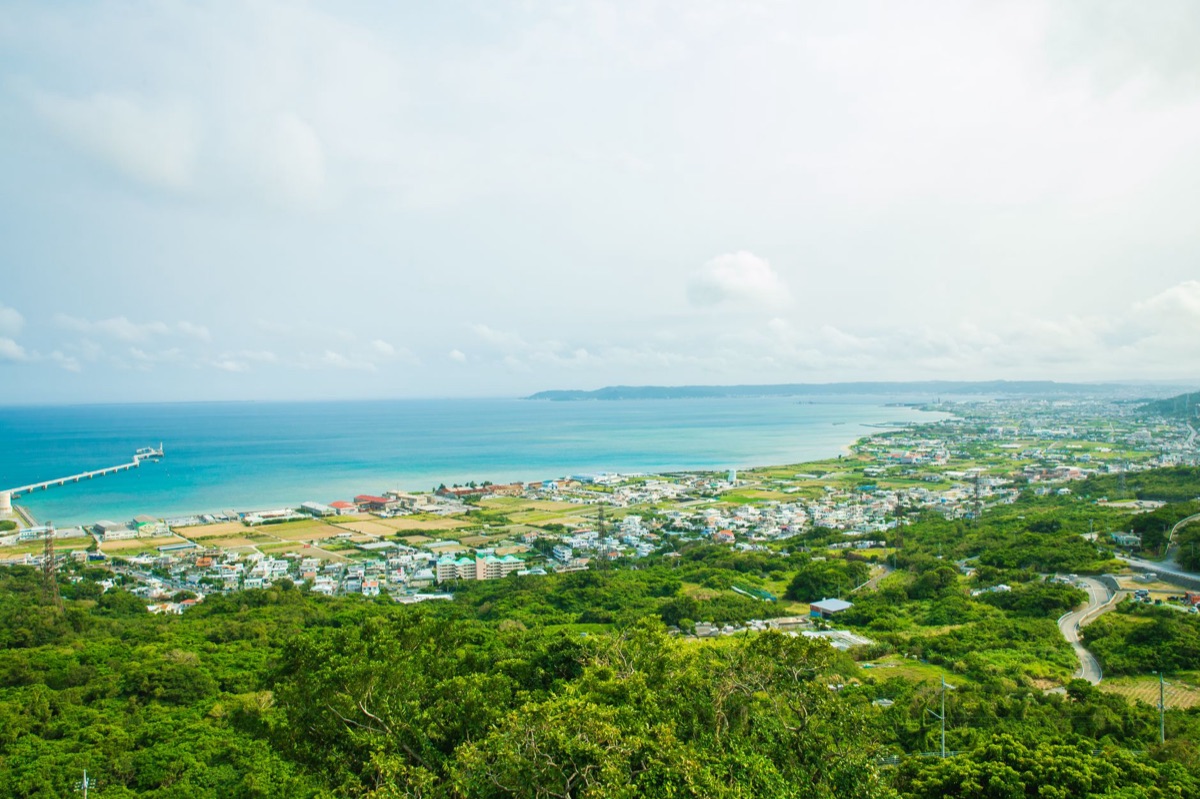
When is the water calling me? The salty breeze chills my skin at dusk as I watch the tide roll in across the empty pier.
I remember standing on a pier in late October, looking at the crystal-clear water and wondering if the heat had truly left the islands. The air was warm, but the breeze had a slight edge that wasn't there in July.
The high season for swimming is typically from June through September. During these months, the water is at its warmest, and the summer festivals bring a lively energy to the coastal towns. This is the prime time for all water-based activities, including long days of snorkeling and paddleboarding.
However, you can still enjoy the sea during the shoulder seasons of spring and autumn. The Okinawa islands experience temperatures above 20 °C (68 °F) for most of the year, according to local geographic data.
While the water might feel slightly cooler in the early spring, a wetsuit can easily bridge that gap, allowing you to enjoy the reefs without the summer crowds.
You must also keep an eye on the weather patterns. While the warmth is consistent, typhoon season can disrupt plans. A sudden storm can close beaches and cancel boat tours instantly.
Always have a backup plan that involves exploring the inland culture, such as the historic Shuri Castle area, in case the sea becomes too rough for safe entry.
Beyond the Shore: Exploring Underwater Wonders
The sun begins to dip, casting long shadows over the waves, but the real magic is happening beneath the surface. For many, the highlight of an Okinawa trip isn't the sand, but the blue light filtering through the water.
The Blue Cave, located in the Onna Village area, is a legendary attraction. When sunlight hits the water inside the cave, it creates a mesmerizing, electric blue glow. Most visitors join a guided tour involving snorkeling or scuba diving to enter the cave safely.
These tours typically provide all the necessary gear, including masks, fins, and sometimes even wetsuits, making it accessible even for those who don't own equipment.
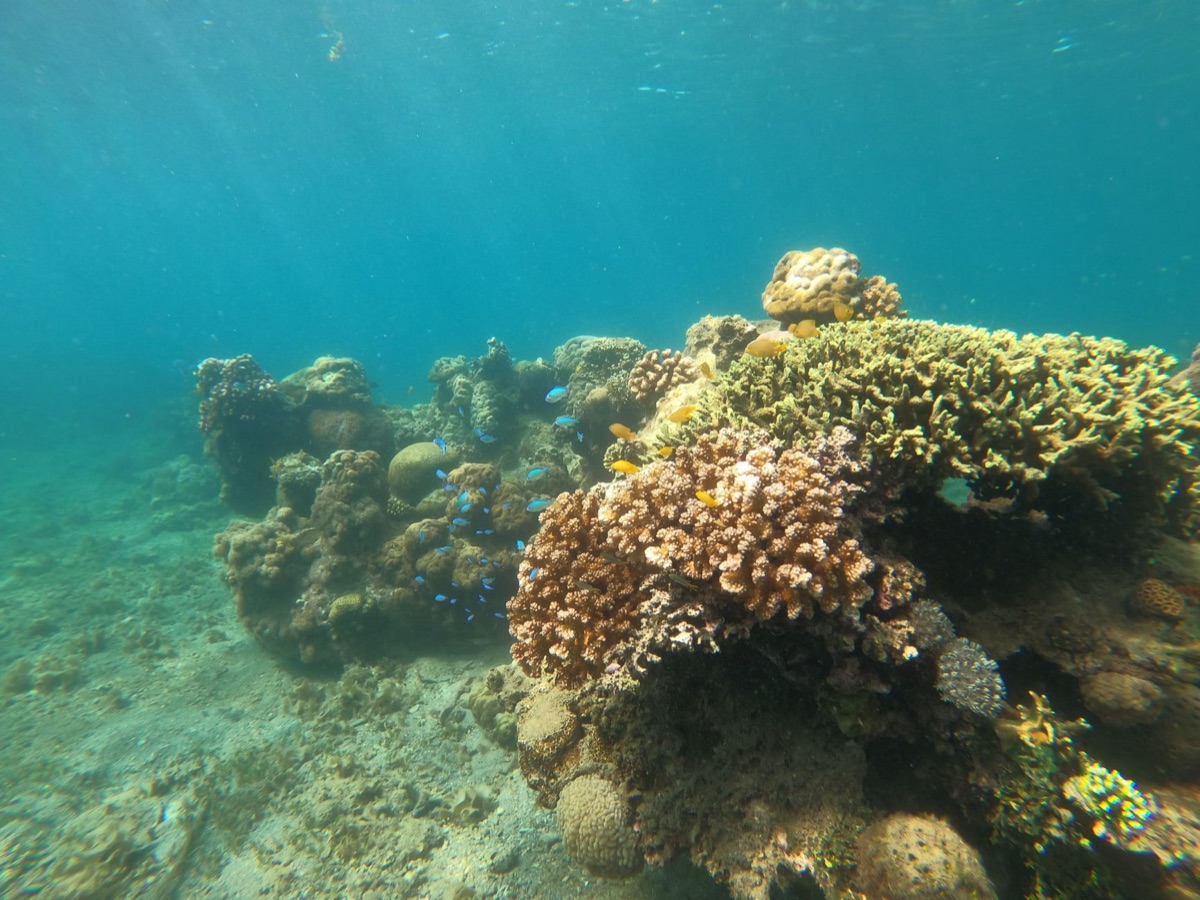
When deciding between diving and snorkeling, consider your comfort level. Snorkeling is excellent for those who want to stay near the surface and observe the colorful fish in their natural habitat. Scuba diving, however, allows you to descend into the quieter, more majestic worlds of the reef.
In Okinawa, you can often see sea turtles, manta rays, and various species of colorful coral depending on your depth.
Because the Blue Cave and other popular dive sites are so sought after, you should book these tours well in advance, especially if you are visiting during the summer months. Many tours include transportation from major hotels, which simplifies the logistics of getting to remote coastal spots.
Planning Your Marine Adventure: Logistics & Rentals
I once spent three hours trying to navigate a local bus route to reach a remote beach, only to realize a rental car would have saved me the entire morning. In Okinawa, mobility is the key to discovery.
A rental car is the most practical way to reach the diverse coastal areas. Many of the most beautiful beaches are tucked away in the north or along winding coastal roads that public transport doesn't reach easily.
Having your own vehicle allows you to follow the weather and hit the best spots at the perfect time of day.
Regarding gear, you have two main choices: bring your own or rent locally. If you are a frequent traveler with high-quality masks and snorkels, bringing your own ensures a perfect fit. However, for casual users, renting equipment at the beach or through a tour operator is much more convenient.
Most major rental shops and tour companies provide full sets of gear, including life jackets, which are essential for safety.
Safety should always be your priority. Local water safety protocols are strict, and you should always check the currentness of the tides and wave heights before entering the water. Never swim alone, and always respect the boundaries set by lifeguards or tour guides.
Beyond the Main Island: Nearby Marine Escapes
The ferry docks at the pier, and the salt air reminds you that there is much more to this prefecture than just the main island. While the main island is incredible, the surrounding islands offer a different level of intensity.
If you want to experience the absolute pinnacle of blue water, consider a trip to the Kerama Islands or further out to Miyako and Ishigaki. The water in these outlying islands is often even clearer and more intensely turquoise than on the main island.
For travelers with extra time, a multi-day trip to these islands is highly recommended to truly soak in the "Okinawa Blue."
While the main island is excellent for a mix of culture and sea, the remote islands are pure marine paradise. The trade-off is travel time and cost. A day trip to a nearby island is possible but can be exhausting.
If your primary goal is world-class diving and pristine, untouched beaches, making the extra effort to visit the southern islands is well worth the investment.






Comments 0