Miyako vs Ishigaki: Choosing Your Next Okinawa Island Escape
"The blue of the ocean isn't just a color; it's a different shade of soul depending on which island you land on."
If you have already walked the streets of Naha and explored the massive Churaumi Aquarium on the Okinawa main island, you are likely facing the ultimate traveler's dilemma: Do you head to the crystal-clear shallows of Miyako, or the vibrant, culturally rich hub of Ishigaki?
While both are part of the beautiful Ryukyu archipelago, they offer entirely different ways to experience the sea and the spirit of the islands.
Key Takeaways * Miyako Island: Best for those seeking "Miyako Blue," world-class snorkeling, and a quieter, more secluded atmosphere centered around stunning coral reefs.
* Ishigaki Island: Best for travelers wanting a mix of history, diverse activities (like cycling and trekking), and easy access to many smaller surrounding islands.
* Logistics: Both require flights from Naha, but mobility on the islands varies from renting cars to utilizing local bus networks.
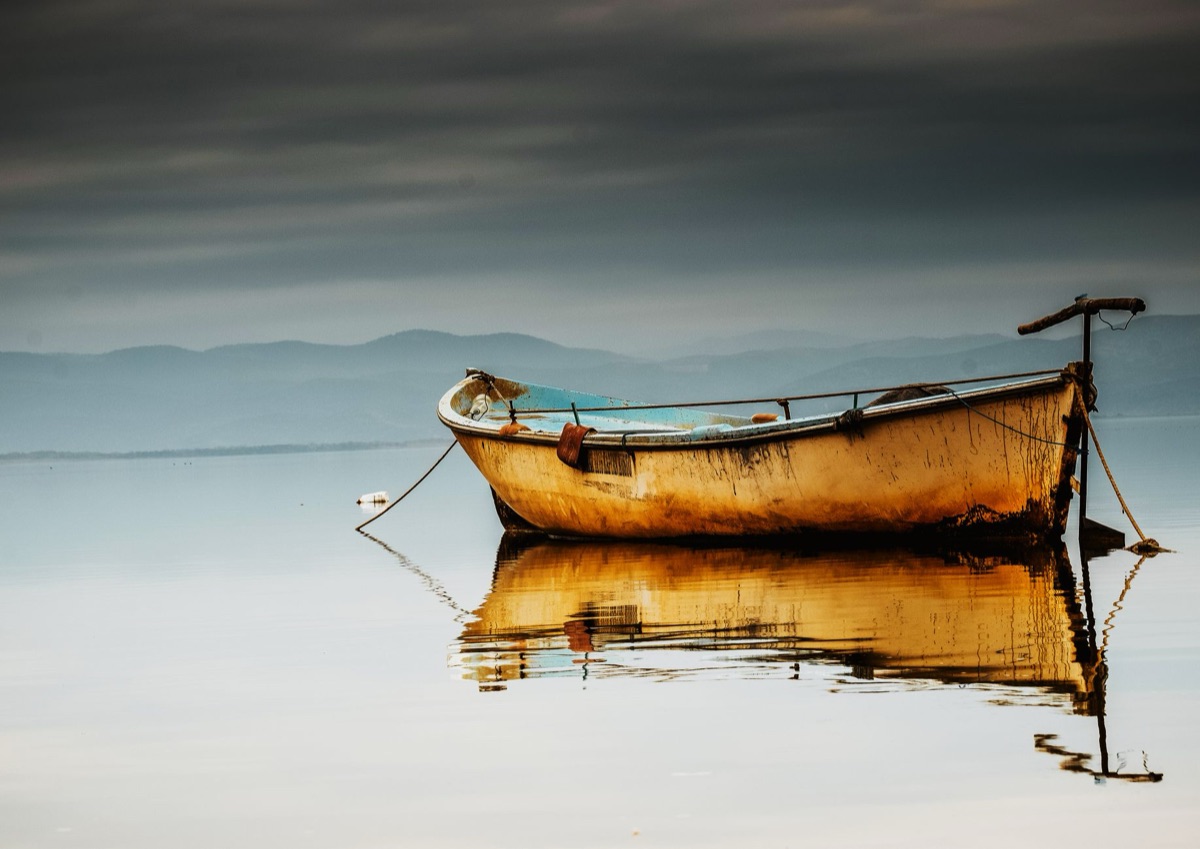
✈️ Miyako vs. Ishigaki: Which Island Matches Your Vibe?
I remember standing on the edge of a pier in Naha, looking at a map of the southern islands, wondering if I should chase the deep blue or the cultural heart of the archipelago. The choice felt heavy because both promised something the main island couldn't quite reach.
Miyako is the choice for the pure escapist. It is defined by its unique geological makeup—an island of coral raised above sea level—which creates those legendary, translucent turquoise hues that look almost artificial in photos.
If your goal is to spend your days staring into the clearest water imaginable and your nights in a quiet, breezy resort, Miyako is your destination. It is a place for deep-sea enthusiasts who want to feel small against the vastness of the ocean.
Ishigaki, by contrast, feels like a bustling crossroads. It is the administrative heart of the Yaeyama Islands, offering a much more diverse itinerary. You can go from a historical site to a mountain trek to a shopping district in a single afternoon.
It is perfect for first-timers who want variety, or families who need a mix of structured activities and natural beauty.
When deciding, ask yourself: Do I want to be surrounded by water, or do I want to be surrounded by experiences?
🚗 Getting There & Getting Around: Logistics Breakdown
The transition from the main island to the remote islands involves a significant jump in travel time and a shift in how you move through the world.
To get to either destination, you will typically take a domestic flight from Naha (Okinawa International Airport).
While the main island is vast—with an area that, when combined with its surrounding seas, reaches nearly half the size of Honshu, Shikoku, and Kyushu—the remote islands are much more compact. A flight usually takes between 50 to 90 minutes depending on your specific destination.
Once you land, your mode of transport will dictate your level of freedom.
| Feature | Miyako Island | Ishigaki Island |
|---|---|---|
| Primary Transport | Rental Car (Highly Recommended) | Rental Car or Local Bus/Taxi |
| Driving Difficulty | Easy, but coastal roads can be narrow | Moderate, mix of city and rural roads |
| Best for Cyclists | Moderate (wind can be an issue) | High (great for exploring coastal paths) |
| Public Transit | Limited; mostly taxis/small buses | More frequent buses and taxi availability |
In Miyako, a rental car is almost non-negotiable if you want to reach the best beaches at sunrise. In Ishigaki, while a car is still helpful, the infrastructure is slightly more robust, making it easier to navigate via taxi or local transit if you prefer not to drive on the left side of the road.
🐠 Underwater Adventures: Diving into the Differences
The water in the Ryukyu Islands is a masterpiece, but the "canvas" changes depending on where you dive.
Miyako is famous for its "Miyako Blue." Because much of the island is built on a coral platform, the water is often incredibly clear and shallow near the shore, making it a paradise for snorkelers. However, the drop-offs can be sudden, offering breathtaking deep-sea immersion.
It is a place where you can drift over massive coral gardens that feel like an underwater forest.
Ishigaki serves as the gateway to the many smaller islands, such as Taketomi and Iriomote. The diving here is more about variety. You can find shallow reefs perfect for beginners, but you also have access to the rugged, mangrove-filled waters of neighboring islands.
If you want to explore different ecosystems—from sea grass beds to rocky outcrops—Ishigaki is your base camp.
For a successful underwater trip, remember that visibility is key. In the peak summer months, the water is at its clearest, but always check local weather reports for current currents and visibility levels before booking a boat.
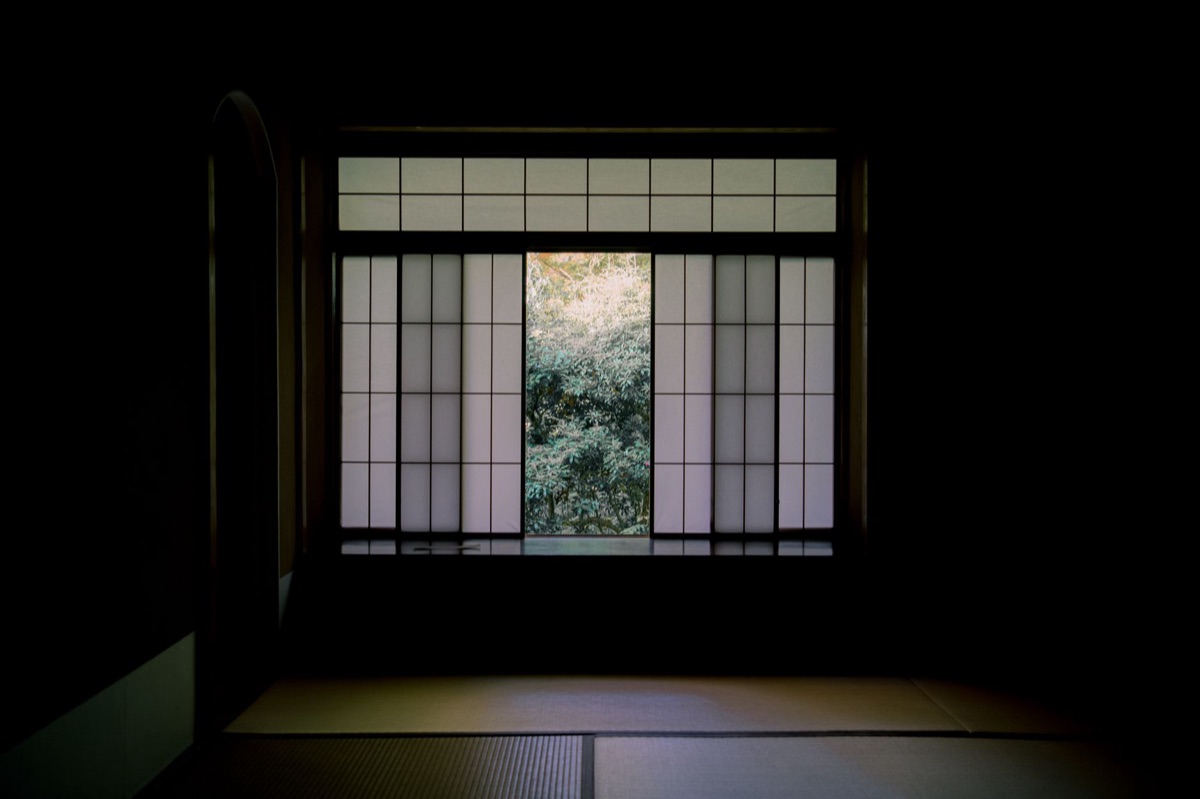
🏘️ Beyond the Beach: Local Life & Culture
It is easy to get lost in the blue, but the soul of the islands lies in the people and their history.
Ishigaki maintains a much stronger connection to the broader Ryukyu history and the traditional ways of life. You can visit local museums, explore the remnants of old villages, and participate in festivals that feel deeply rooted in the community.
The town of Ishigaki is lively, with local markets and traditional music often echoing through the streets. It feels like a living, breathing hub of the Yaeyama culture.
Miyako moves at a different pace. The culture here is quieter, more focused on the rhythm of the tides and the wind. It feels more isolated, which preserves a sense of pristine, untouched beauty.
The local food is also distinct; while you will find pork and sea grapes everywhere, look for the specific ways local ingredients are prepared in Miyakoan households.
If you are a foodie, Ishigaki offers a wider array of restaurants and nightlife, whereas Miyako offers more intimate, "hidden gem" dining experiences that require a bit of a drive to find.
📅 Planning Your Pilgrimage: Timing & Must-Dos
Timing your trip is the difference between a perfect vacation and a logistical headache.
The best time to visit both islands is typically from late spring to early autumn. However, you must be mindful of the typhoon season, which can hit the islands between July and September. A single storm can disrupt flights and boat schedules, so always have a buffer in your travel itinerary.
Recommended Trip Lengths: 1. Miyako Deep Dive (3-4 Days): Focus entirely on the coastline, snorkeling, and relaxation. 2. Ishigaki Explorer (4-5 Days): Use Ishigaki as a base to take day trips to neighboring islands like Taketomi or Iriomote.
Before you pack, remember that you are moving to a subtropical environment. Light, breathable clothing is essential, but always pack a light jacket for breezy evenings and high-SPF sunscreen that is reef-safe to protect the delicate coral ecosystems you are coming to see.






Comments 0