Okinawa Art: Documenting Island Life Through Artist's Eyes
"To understand Okinawa, one must look past the turquoise waves and into the eyes of those who paint its own shadows."
Okinawa is far more than a tropical getaway; it is a living museum of resilience, a place where the echoes of the Ryukyu Kingdom meet the complexities of the modern era. Through the eyes of artists, we see a landscape that is simultaneously a paradise and a site of profound historical weight.
Key Takeaways * Okinawa’s identity is a complex tapestry of ancient Ryukyuan culture and modern geopolitical pressures. * Art serves as a vital medium to document both the breathtaking natural beauty and the layered history of the archipelago.
* Traditional cultural codes, such as Shisa and folk music, remain central to the island's artistic soul. * Contemporary artists use their work to navigate themes of land preservation and socio-political realities.

The Canvas of the Land: Why is the light so different?
The sun hung heavy over the jagged limestone cliffs of Cape Manzemo at 2:00 PM, casting long, sharp shadows that seemed to slice through the heat. A painter sat on a folding stool, her brush hovering over a canvas that attempted to capture the exact, impossible shade of cobalt in the East China Sea.
Since 1972, over 1,000 hectares of land has been added via reclamation, representing 0.83% of the island's total area.
Artists often struggle to translate the sheer intensity of Okinawa’s light and color into a static medium. The island’s geography—characterized by sharp coral reefs, rugged cliffs, and sudden, violent seasonal shifts—provides a dramatic backdrop that demands more than just a casual sketch.
In many works, the vibrant subtropical greenery is not just a backdrop but a living character, representing the life force of the islands.
The relationship between the land and the artist is one of constant negotiation. While a tourist might see a perfect beach, an artist often sees the geological struggle of an island formed by volcanic activity and coral growth.
This tension between the beauty of the surface and the raw power of the earth is a recurring theme in visual records of the archipelago.
But beauty is only one layer of the story.
Echoes of the Past: How is heritage preserved?
Walking through the gates of Shuri Castle at sunrise, the scent of aged wood and incense fills the air, pulling the visitor back centuries. The stone walls, weathered by salt and time, stand as silent witnesses to a kingdom that once ruled the seas through diplomacy and trade.
According to World Bank data, Japan recorded international tourist arrivals of 4,115,800 in 2020.
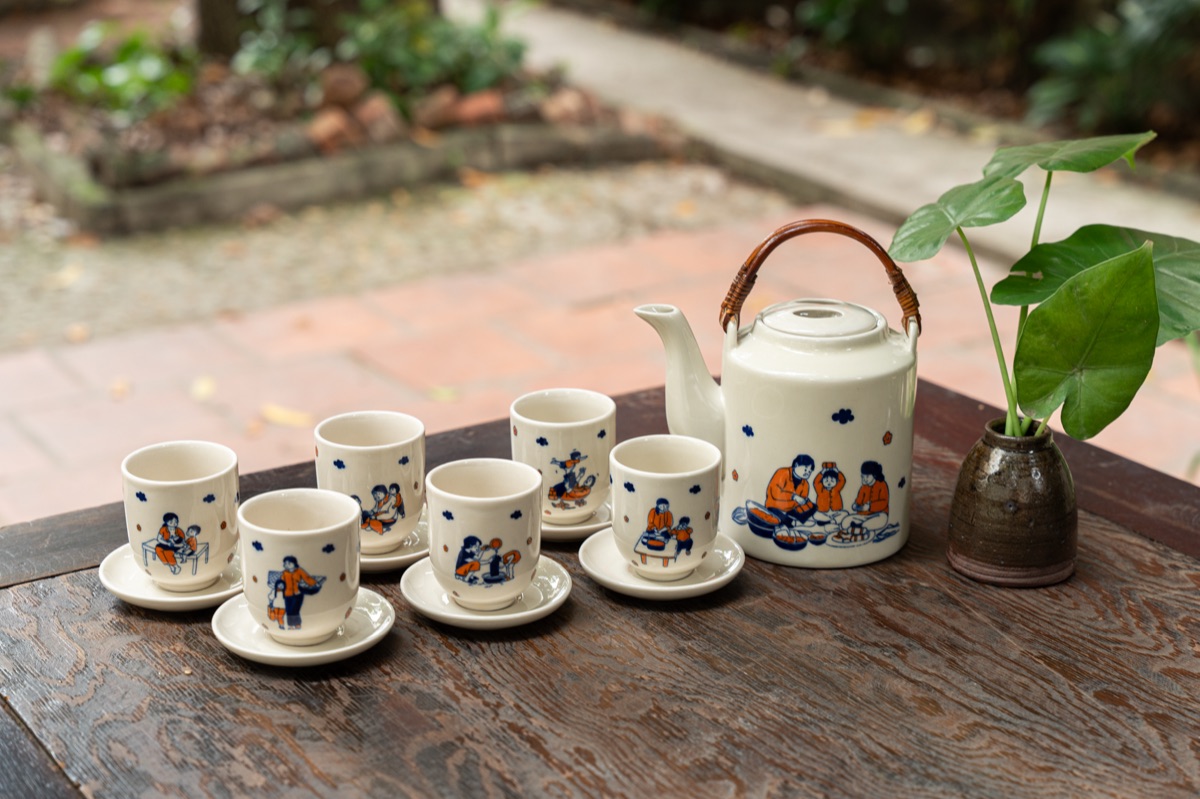
For many creators, the primary mission is the preservation of Ryukyuan heritage. The era of the Ryukyu Kingdom left behind a legacy of unique crafts, music, and architecture that defines the island's soul.
Artists frequently draw inspiration from the *Shisa*—the lion-dog guardians found on rooftops—and the rhythmic, soulful sounds of the *sanshin*.
These traditional elements are not merely decorative; they are the vocabulary of Okinawan identity. By incorporating traditional motifs into contemporary works, artists ensure that the history of the kingdom remains a living part of the present.
This engagement with the past acts as a bulwark against the homogenization of global culture, keeping the specific "Okinawan-ness" alive through every brushstroke and melody.
However, the weight of history is often interrupted by the noise of the present.
A Tapestry of Modernity: What are the real pressures?
The hum of a distant jet engine breaks the quiet of a coastal village at midday, a reminder of the world outside the traditional rhythm of life.
In the shadow of a massive concrete installation, a local photographer captures the stark contrast between the blue horizon and the grey structures of the present day.
According to World Bank data, Japan recorded GDP per capita of US$35,951 in 2025.
Modernity in Okinawa is often experienced through the lens of external influence and rapid change. The island’s identity is shaped by significant demographic and political realities that artists cannot ignore.
For instance, United States military installations cover approximately 25% of the island and have been a point of contention among locals.
This presence creates a unique tension in the artistic community. While the economy is partially tied to these installations—with military bases accounting for 4 to 5% of the island economy—the social impact is profound.
Furthermore, the physical landscape has been altered by human intervention; since 1972, over 1,000 hectares (2,500 acres) of land has been added via reclamation, representing about 0.83% of the island's total area.
Artists often use these shifts in land and power to explore themes of sovereignty, loss, and the struggle to maintain a unique identity amidst global pressures. But how does this tension translate to the people living through it?
The Human Element: Why does community matter?
A group of elders gathers under a sprawling banyan tree at 4:30 PM, their laughter mingling with the rhythmic clacking of wooden sandals. In the golden light of late afternoon, the wrinkles on their faces tell stories of harvests, typhoons, and generations of communal living.
In 2018, Okinawa attracted 9,842,400 tourists, reflecting a positive growth from the previous year.
Artistic expression in Okinawa is deeply rooted in the human experience. The portrayal of daily life—the preparation of *Okinawa Soba*, the communal rituals of the *Eisa* dance, and the quiet dignity of aging—serves to ground the island's history in the personal.
These are not just scenes of "local life"; they are studies of community bonds that have survived through centuries of upheaval.
Festivals and seasonal rituals provide a rhythmic structure that artists frequently capture. Whether it is the vibrant energy of a summer festival or the solemnity of a memorial, these moments of collective human emotion are central to the island's identity.
By focusing on the human element, artists move beyond the "vacation" narrative to document the true pulse of the people.
Understanding these pulses requires a specific way of looking.
The Artist's Gaze: What is the difference in medium?
A photographer adjusts a lens at a seaside pier, focusing not on the wide vista of the ocean, but on the single, weathered hand of a fisherman mending a net. The choice of a tight frame changes the entire story, turning a scene of labor into a portrait of survival and connection.
The Okinawa Expressway is a toll road that runs from Naha to Nago and has a speed limit of 80 km/h, the highest on the island.
The medium an artist chooses dictates how the message of Okinawa is received. A wide-angle landscape photograph might capture the breathtaking scale of the islands, but a delicate ceramic piece or a haunting musical composition might better convey the intimacy of Ryukyuan culture.
| Medium | Primary Artistic Focus | Emotional Impact |
|---|---|---|
| Photography | Documentation of light, land, and fleeting moments | Immediate, observational, and stark |
| Traditional Crafts | Preservation of heritage and tactile history | Intimate, grounded, and enduring |
| Music/Performance | Expression of rhythm, ritual, and oral history | Evocative, communal, and spiritual |
| Installation Art | Exploration of space, politics, and modern tension | Provocative, intellectual, and transformative |
A tourist snapshot is often an attempt to capture a perfect moment of beauty. In contrast, an artist’s deep dive is an attempt to understand the underlying truth of that moment.
The intentionality behind the choice of medium allows the artist to filter their personal experience through the specific needs of the story they are telling, whether that is a story of beauty, struggle, or survival.
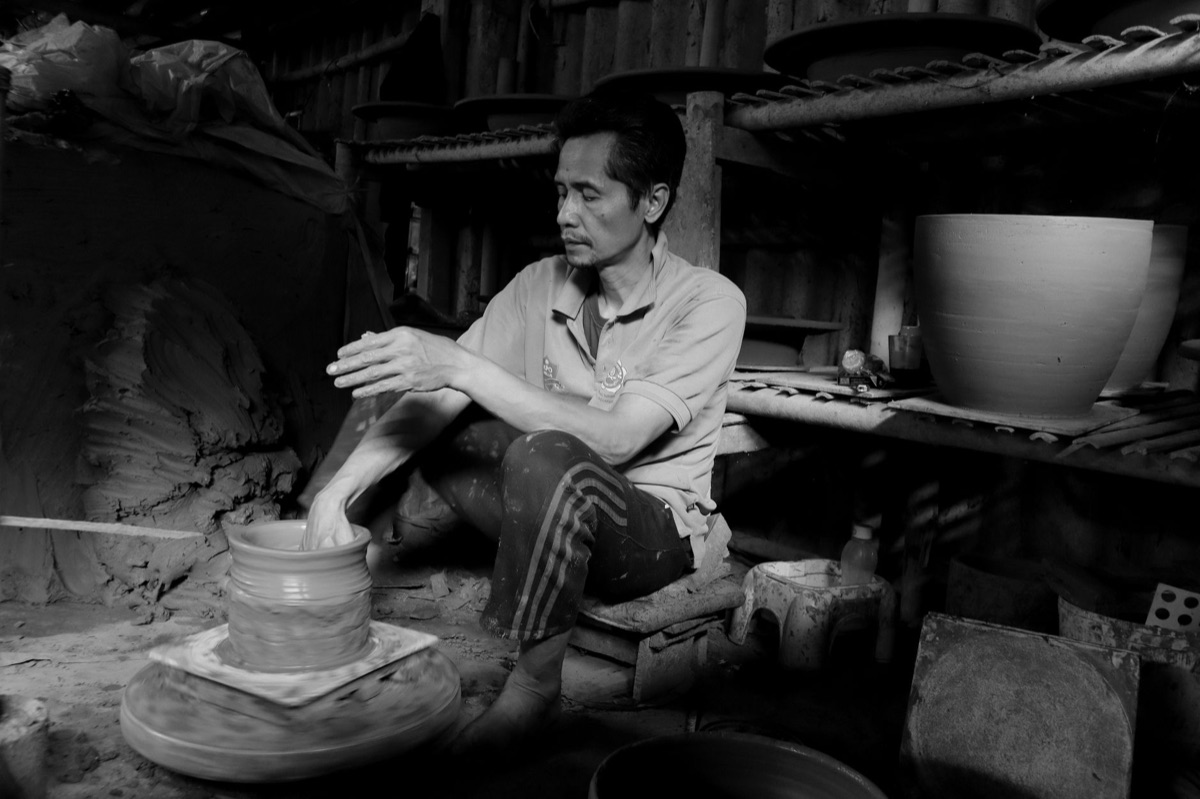
When I traveled through Naha last year, I noticed that the most striking pieces weren't in the galleries, but in the small, dusty workshops where the smell of clay and salt hung heavy in the air. It wasn't about the polish; it was about the grit.
It is important to note that not all art is a political statement or a historical record. Some works are purely aesthetic, and there are times when the focus is solely on the play of light on water rather than the weight of the past.
Synthesis: How does identity endure?
The sun sets behind the mountains, painting the sky in hues of violet and gold that no camera could ever truly replicate. As the light fades, the silhouettes of the islands remain, constant and unyielding against the vastness of the sea.
While military bases in Japan are widespread, about 70% are located in or around Okinawa.
What do these collective artistic records tell us about Okinawa? They reveal an identity that is not static, but one that is constantly being renegotiated between its glorious past and its complex present. The tension between preservation and change is the heartbeat of the island.
The resilience of the Okinawan spirit is the thread that connects every piece of art, from the ancient pottery to the modern political installation.
Ultimately, the artists of Okinawa do more than just record the scenery; they provide a compass for understanding a culture that refuses to be lost to time or external pressure.
#

Comments 0