Okinawa base landscape photo book: Why view this setting?
"The visual tension of a landscape divided by history and presence is captured through the lens of those who document the shifting terrain."
The Okinawa base landscape photo book serves as a medium to explore the complex intersection of military presence and civilian life. This exploration focuses on how visual narratives capture the reality of an island where nearly 20% of the land is occupied by these bases.
How does the Okinawa base landscape photo book capture history?
At dusk, I run my fingers over the grainy pages of the okinawa photo book while feeling the heavy weight of the past.

A photographer stands on a windy ridge overlooking a sprawling airfield, adjusting the focus to capture the contrast between concrete runways and the surrounding greenery.
This visual documentation of the area provides a unique perspective on how military infrastructure integrates into the natural and social environment.
The historical context of these locations often informs the artistic choices made by photographers.
For instance, the strategic importance of the island's geography is evident when considering that after a long campaign of island hopping, the Allies were planning to use Kadena Air Base on the island as a staging point for Operation Downfall.
This historical weight adds a layer of gravity to every shot of the modern landscape.
The documentation of these sites often reflects the tension of the location. An artistic portrayal of military site often involves capturing the way these installations sit within the community.
When viewing an Okinawa base landscape photo book, one sees the physical manifestation of history meeting the present.
However, the historical depth may be limited when the focus shifts purely to aesthetic composition.
What defines the US base view photo series style?
A camera shutter clicks repeatedly as a photographer captures the stark lines of a perimeter fence against a sunset. The resulting images create a specific aesthetic that balances the rigidity of military structures with the organic textures of the island.
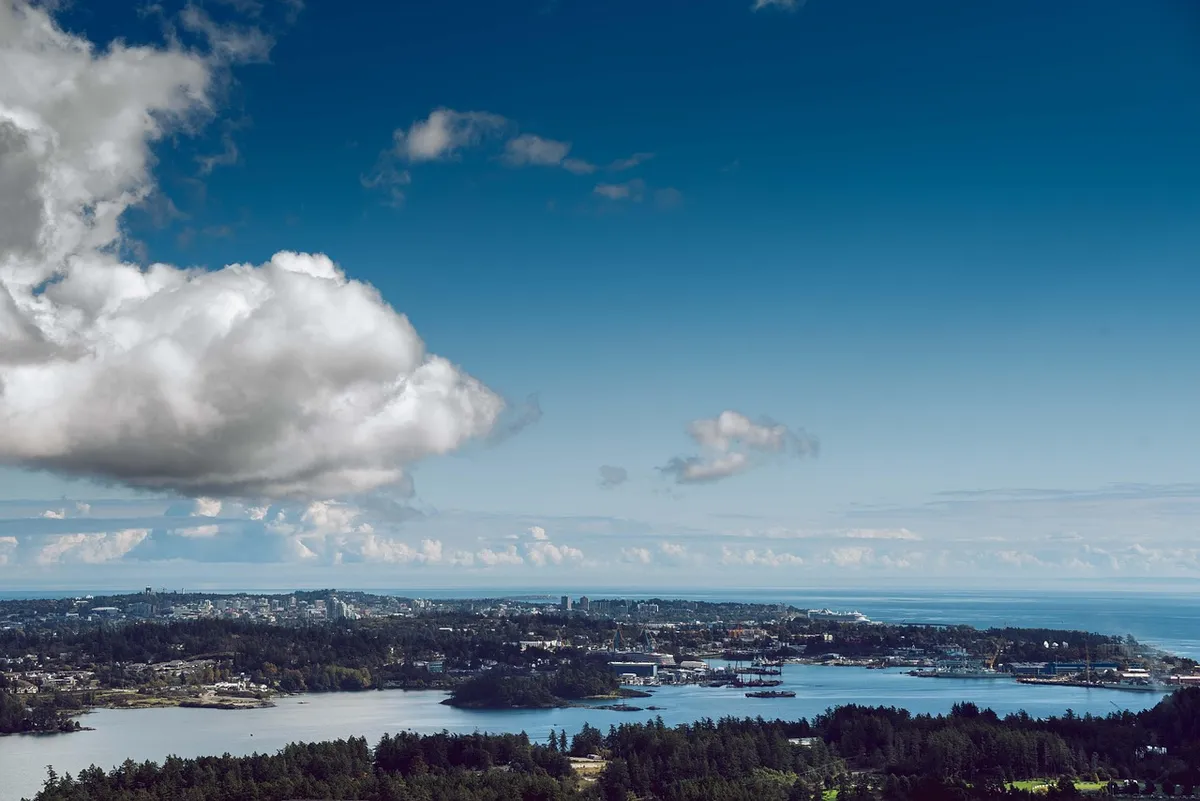
Capturing the unique atmosphere involves more than just taking pictures of buildings. A US base view photo series often seeks to document the intersection of different worlds. This visual narrative of base setting shows how the presence of the military influences the local skyline and daily life.
The composition of these images often highlights the scale of the installations. An artistic portrayal of military site can be seen in how the wide-angle shots emphasize the vastness of the occupied land.
This perspective helps the viewer understand the physical footprint of the military on the island.
However, the stylistic consistency might be lost if the lighting conditions vary too drastically between shots.
How are Okinawa military site images interpreted?
A traveler walks through a quiet coastal village, only to be met by the sudden sight of a massive security wall. This sudden transition becomes the subject of the lens, turning a common sight into a profound visual statement.
The juxtaposition of civilian life and military installations is a recurring theme. An Okinawa military site images collection often highlights these boundary lines. These shots serve to document the reality of living in a uniquely occupied landscape.

The emotional weight of the imagery is often significant. A visual narrative of base setting can evoke feelings of both permanence and transience. These images provide a window into the daily reality of the island's inhabitants.
However, interpretation remains subjective when the viewer lacks familiarity with the local context.
What makes the base surroundings artistic shots unique?
A photographer moves through a bustling marketplace, then turns the lens toward a distant, fortified hill. The shift in scenery captures the dual identity of the region, where the domestic and the military coexist.
The juxtaposition of elements is key to the artistic value. Base surroundings artistic shots often focus on these specific contrasts. By documenting base area visuals, photographers can tell a story of a landscape in transition.
The interplay of light and shadow on military structures can create striking compositions. This way of seeing allows for a deeper exploration of the environment. It turns a functional space into a subject of contemplation.
However, the unique character of the shots may diminish if the subject matter becomes too repetitive.
How does the visual narrative of base setting work?
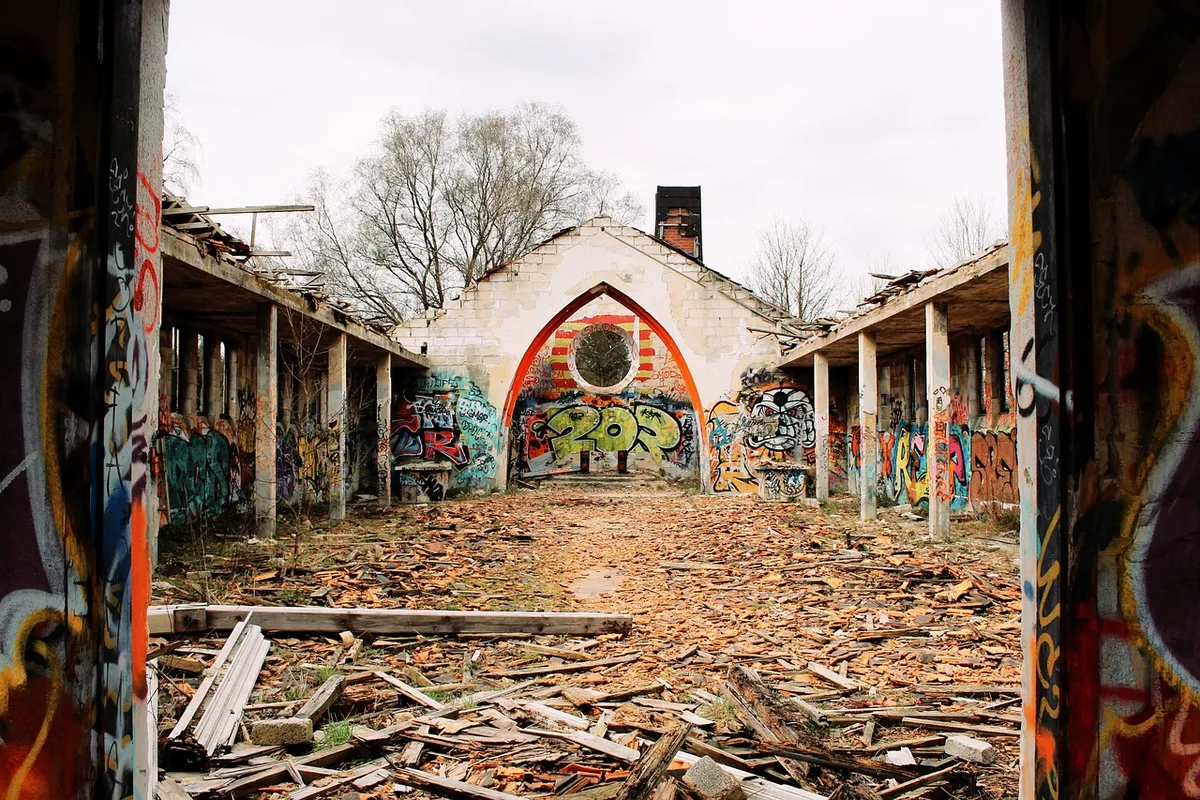
A photographer sits in a local cafe, watching the way the morning light hits a distant radar installation. The quiet observation of these details is what builds a coherent visual story over time.
The narrative is built through a series of carefully chosen subjects. Documenting base area visuals requires an eye for the subtle ways the military presence shapes the environment. This process allows for a comprehensive understanding of the landscape.
The story is often told through the eyes of someone observing the changes. A visual narrative of base setting provides a way to communicate the complexities of the region. It offers a perspective that is both personal and observational.
However, the narrative flow may break if the sequence of images lacks a logical transition.
Can we compare the land use and historical context?
A researcher compares a modern map of the island with historical documents in a quiet library. The data reveals how much of the landscape has been shaped by military necessity over the decades. According to World Bank data, Japan recorded international tourist arrivals of 4,115,800 in 2020.
As of 2013, Japan was one of the least visited countries in the OECD on a per capita basis, according to the OECD.

The following table compares the land usage and the historical context of the island:
| Aspect | Description |
|---|---|
| Land Occupation | Nearly 20% of the main island is occupied by bases |
| Strategic History | Kadena Air Base was planned as a staging point for Operation Downfall |
The comparison shows how the physical reality of the land is inseparable from its military history. It is impossible to view the landscape without acknowledging these factors.
The visual documentation of these areas is limited to the specific perspectives and subjects captured by the photographer.
However, the comparison may be limited when the temporal scales of land use and history do not align.
- How does the Okinawa base landscape photo book capture history?
- What defines the US base view photo series style?
- How are Okinawa military site images interpreted?
Related
- Naha artist life and work: Migration shapes cultural roots
- 90% Destruction: Understanding Okinawa Through War Archives
How does the visual tension manifest in the documentation? The visual tension arises from the constant negotiation between the permanence of the installed military structures and the transient nature of the local civilian life. This tension is palpable when the photographer frames the contrast between the imposing concrete and the resilient natural growth surrounding it. The documentation forces the viewer to confront this uneasy coexistence.
The artistic choices made regarding framing directly contribute to this visual tension. By selecting specific angles, the photographer amplifies the scale difference between the human-scale village and the vastness of the operational base.
This deliberate composition draws attention to the uneasy truce between the two realities occupying the same physical space.
This interplay between the built environment and the natural setting underscores the enduring presence of the military apparatus. The visual tension is thus not merely about the structures but about the sustained condition of the land under dual occupancy.





Comments 0