Authentic vs. Fusion: Navigating Okinawan Dining Experiences
"The flavor of the islands is no longer just a way to survive; it is a way to celebrate."
If you walk through the bustling streets of Kokusai-dori in Naha or the breezy seaside cafes of Onna Village in 2026, you will notice something striking: the old recipes of the Ryukyu Kingdom are being reimagined.
While the soul of the food remains anchored in local ingredients, the presentation and complexity have shifted to meet a global palate.
* The fusion trend balances deep tradition with modern accessibility. * Understanding the regional context—between old-world Naha and modern resort towns—is key to dining choices. * Modern renditions enhance, rather than erase, the unique cultural codes of Ryukyu cuisine.

How can the essence of the Ryukyuan diet be preserved? The sun hangs low over the Shuri Castle ruins in late afternoon, casting long shadows over the red-tiled roofs that once defined a kingdom. In the quiet corners of an old Okinawan home, a grandmother might still prepare a simple bowl of soup using ingredients gathered from the backyard.
According to World Bank data, Japan recorded an agricultural land share of 12.6% in 2023.
Historically, the Okinawan diet was a masterpiece of resourcefulness, born from the necessity of living on a subtropical island with limited large-scale agriculture.
The flavors of the Ryukyu Kingdom were built on what the sea and the rugged soil provided: bitter melon, sea grapes, pork, and various root vegetables. These weren't just meals; they were survival strategies designed to foster longevity.
While the original diet was often functional, the core elements—salty, bitter, and umami—remain the pillars of the cuisine. The transition from a kingdom to a modern prefecture has meant that these ingredients must now compete in a globalized food scene.
Yet, even as recipes change, the "DNA" of the food—the specific way a bitter melon is sliced or how pork is braised—remains intact.
But as the plates grew more beautiful, a new tension emerged between the old ways and the new.
How can classics be modernized to meet current trends? A sleek, minimalist restaurant in Ginowan serves a single piece of pork belly, glazed in a reduction so clear it looks like amber. The setting is quiet, the lighting is dim, and the plate is a work of art. This is a far cry from the hearty, rustic stews served in family-run shops decades ago.
We are seeing a fascinating spectrum of modernization. For example, *Goya Chanpuru* (bitter melon stir-fry), once a humble home-cooked staple, is being elevated in high-end restaurants.
Chefs are now using premium cuts of meat or delicate seafood pairings to turn a simple vegetable dish into a gourmet centerpiece.
Similarly, *Rafute* (braised pork belly) is moving from heavy, sweet-soy stews to lighter, more refined presentations that emphasize the texture of the fat rather than just the richness.
This shift often involves integrating international influences. Because of Okinawa's unique history, including its relationship with the United States, you will often see "fusion" elements—like taco rice or American-style burgers—integrated with local seasonings.
Some chefs are even applying French or Italian techniques to traditional Okinawan ingredients, creating a "New Ryukyu" cuisine that appeals to international travelers.
However, this transition isn't always seamless for those seeking the original flavors.
Navigating the Scene: Choosing Your Dining Experience
The neon lights of Naha flicker in the rearview mirror as you drive toward the quieter, scenic routes of the north in 2026. You have a choice: do you want to find the original flavor of the islands, or do you want to see how that flavor has evolved?
To make the best decision, you must decide what kind of traveler you are for this specific meal. Use the guide below to match your cravings to the right setting.
| Dining Goal | Best Setting | What to Expect |
|---|---|---|
| Authenticity Seekers | Small-scale, local *shokudo* (eateries) | Hearty portions, traditional plating, deep local flavors. |
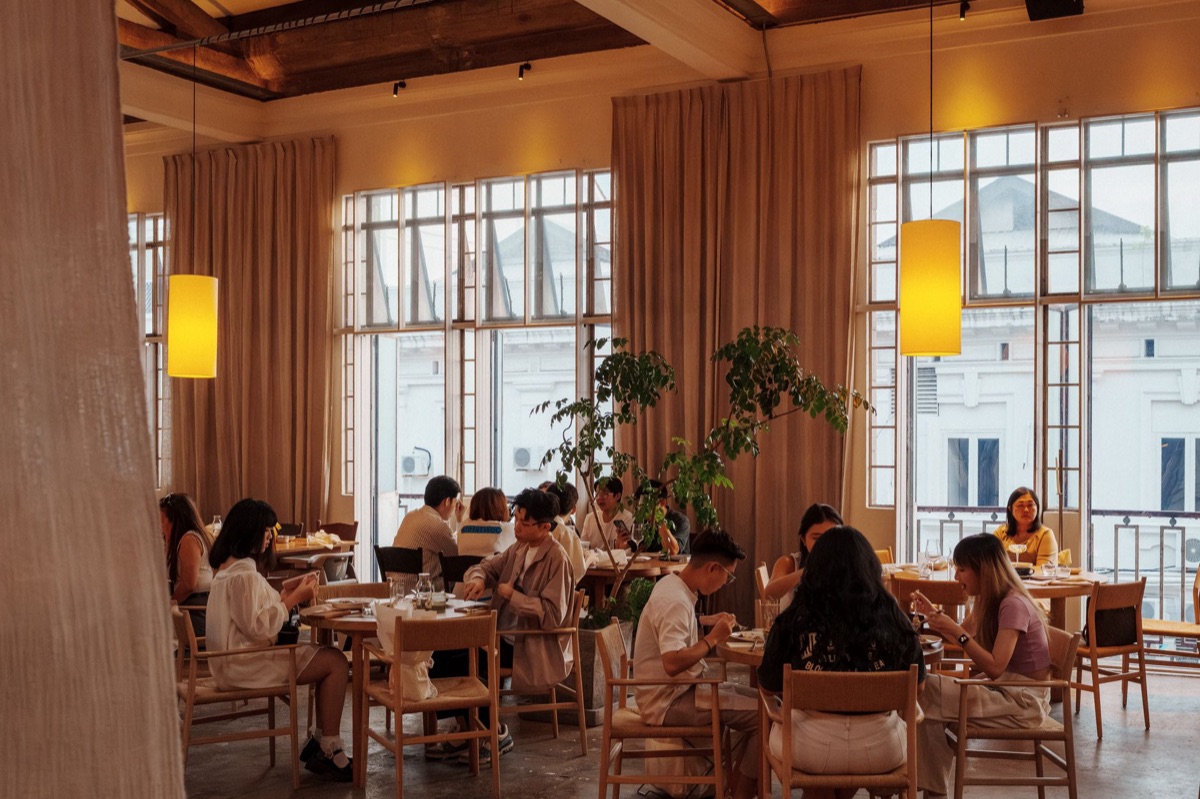
| Modern Explorers | Urban fusion bistros or boutique cafes | Creative plating, international ingredients, Instagram-worthy aesthetics. |
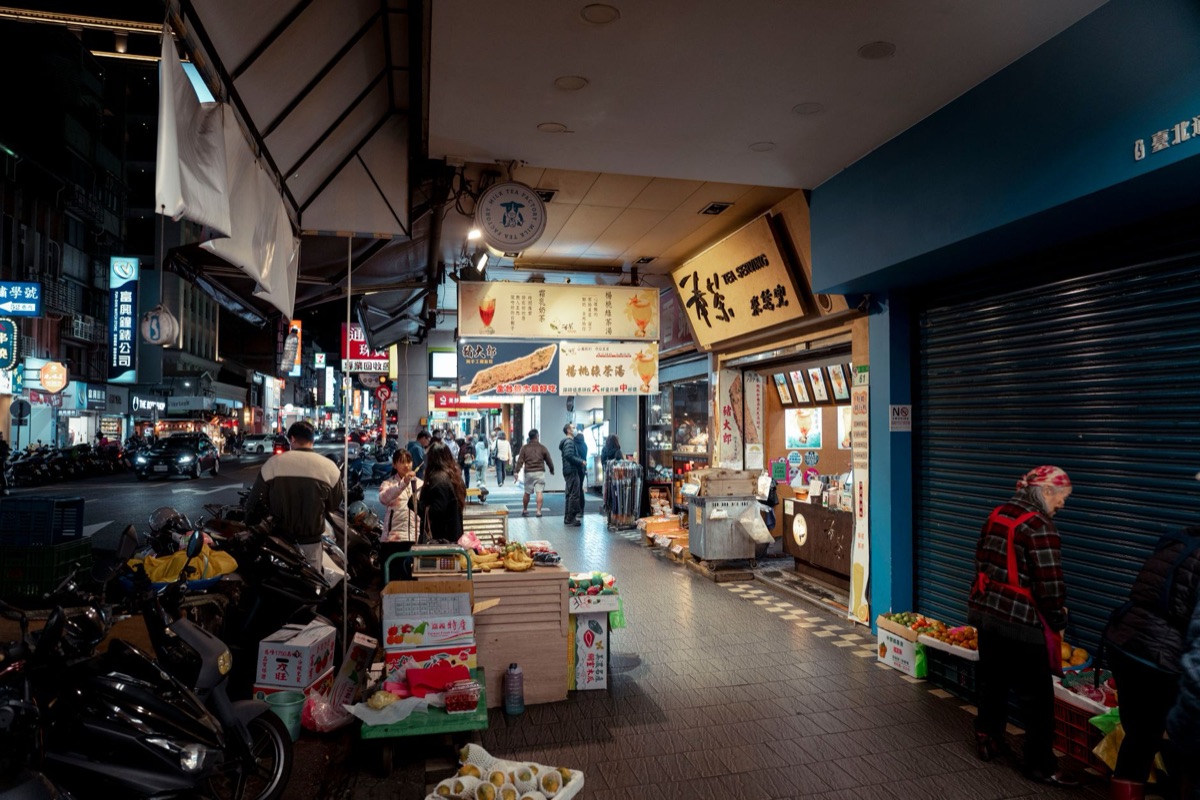
| Quick & Casual | Roadside stalls or local markets | Fast service, single-dish specialties, moderate prices. |
If you are looking for a deep dive into history, seek out the small-scale eateries in older neighborhoods. If you want to see the cutting edge of culinary creativity, look toward the modern resort areas or the trendy pockets of Naha.
But even with a plan, you might find yourself caught between two worlds.
Beyond the Plate: The Role of Food in Local Culture
The sound of a *sanshin* (a three-stringed Okinawan lute) drifts through the air during a local festival, accompanied by the rhythmic beat of a drum. People gather around large tables, sharing plates of food that have been passed down through generations. In these moments, food is more than fuel.
In Okinawa, food is a primary carrier of regional identity. It is central to community life and traditional festivals, such as those honoring ancestors or celebrating the harvest.
Even in modern, high-end dining, you will often see elements of Okinawan hospitality—an emphasis on "sharing" and a warmth that reflects the island's communal spirit.
The way a dish is served often reflects the social structure of the past. While a modern restaurant might serve individual portions, the spirit of the original communal meals often lingers in the way flavors are designed to be enjoyed collectively.
Eating here is an act of participating in a living history.
Yet, understanding this culture requires more than just a menu; it requires a strategy.
Practical Dining Guide: For the Modern Visitor
The engine of the rental car clicks as it cools down in a shaded parking lot in the late evening. You check your phone to see if your reservation is confirmed, wondering if you should have ordered more appetizers. Navigating a new food scene requires a bit of preparation.
To make the most of your culinary journey, follow these steps:
- Book Ahead for Fusion Spots: If you find a highly-rated modern restaurant in Naha or Onna, make a reservation. These "concept" restaurants often have limited seating due to their focus on quality over quantity.
- Understand the "Modern" Balance: When ordering a modern rendition of a classic, remember that the flavor profile might be lighter or more complex than you expect. If you want the "original" heavy flavor, look for traditional *shokudo*.
- Watch for Seasonal Ingredients: Many modern chefs rely on seasonal local produce. If you see a dish featuring a specific local vegetable, it is likely a way to celebrate the current harvest.
- Pairing Advice: For a modern experience, try pairing local Awamori (the traditional distilled spirit) with contemporary dishes. Some modern bars are now creating cocktails that blend Awamori with citrus and herbs to suit a lighter palate.
When I first traveled through the islands, I often found myself confused by the price-to-portion ratio in these new establishments. I remember sitting in a small Naha bistro in 2025, looking at a beautifully plated dish that cost as much as a full traditional meal, wondering if I had made a mistake.
It taught me that you aren't just paying for food, but for the artistry of the transition.
Please note that these modern culinary experiences often come with a premium price tag and smaller portions compared to traditional family-style dining. If you are traveling on a strict budget or have a very large appetite, you may find the "New Ryukyu" style more of a luxury than a staple.
#







Comments 0