Okinawa Family Drive: 3 Nights, 4 Days Perfect Itinerary
"The best way to see Okinawa is through a windshield, but the best⠈way to remember it is through your children's eyes."
Planning a family trip to Okinawa can feel like a balancing act between keeping kids entertained and ensuring parents actually get a moment to breathe. This 3-night, 4-day itinerary is designed to hit that sweet spot, moving from the bustling energy of the south to the serene, blue-hued north.
* Pacing is Key: This itinerary balances driving days with immersion days to prevent "travel fatigue." * Activity Balance: It integrates structured kid-friendly activities with cultural deep dives. * Logistics Covered: Optimized routes minimize stressful navigation through winding coastal roads. * Flexibility Built-In: Includes options for both high-energy exploration and deep relaxation.

How to structure your perfect 3N/4D trip?
The sun hit the dashboard of our rental car as we pulled out of Naha Airport in July 2026, the smell of salt air mixing with the scent of new upholstery. My youngest was already peering through the window, eyes wide at the sight of the turquoise coastline appearing between the buildings.
For a successful four-day loop, you shouldn't try to see everything at once. The goal is to move from the urban hub of Naha toward the natural wonders of the north, using the middle of the trip as your primary exploration phase.
Day 1: Arrival and Easy Transitions After landing at Naha Airport, your first priority is the rental car. Once you have the keys and the kids are buckled in, don't rush to a major attraction. The transition from a long flight to a new country is taxing.
Instead, head toward your first accommodation—likely in the Central or Naha area—and settle in. A gentle introduction to Okinawa is best served through a bowl of warm Okinawa Soba at a local shop near your hotel. It’s easy on the stomach and a perfect way to start the culinary journey.
Day 2: The Northern Wonders Dedicate your second day to the "Big Hits." This is the day for the Churaumi Aquarium and the scenic drives around the Motobu Peninsula.
Because these locations are significant, you will spend more time in the car, but the payoff of seeing whale sharks and coastal vistas is worth the transit.
Day 3: Cultural Immersion or Coastal Relaxation By day three, the "newness" of the trip might wear off for the kids, leading to irritability. Break the routine.
You can choose between a cultural deep dive into the Ryukyu Kingdom history at Shurijo Castle or a more relaxed day in Onna Village, focusing on beach activities or snorkeling. This prevents the feeling of being on a non-stop "tourist treadmill."
Day 4: Last Bites and Departure Keep your final day light. Depending on your flight time, a visit to a local market like Makishi Public Market in Naha provides a sensory farewell.
It’s an excellent place to pick up last-minute souvenirs like Shisa statues or pineapple sweets before heading back to the airport.
But how do you actually manage the logistics without losing your mind?
Making the Okinawa Road Trip Stress-Free
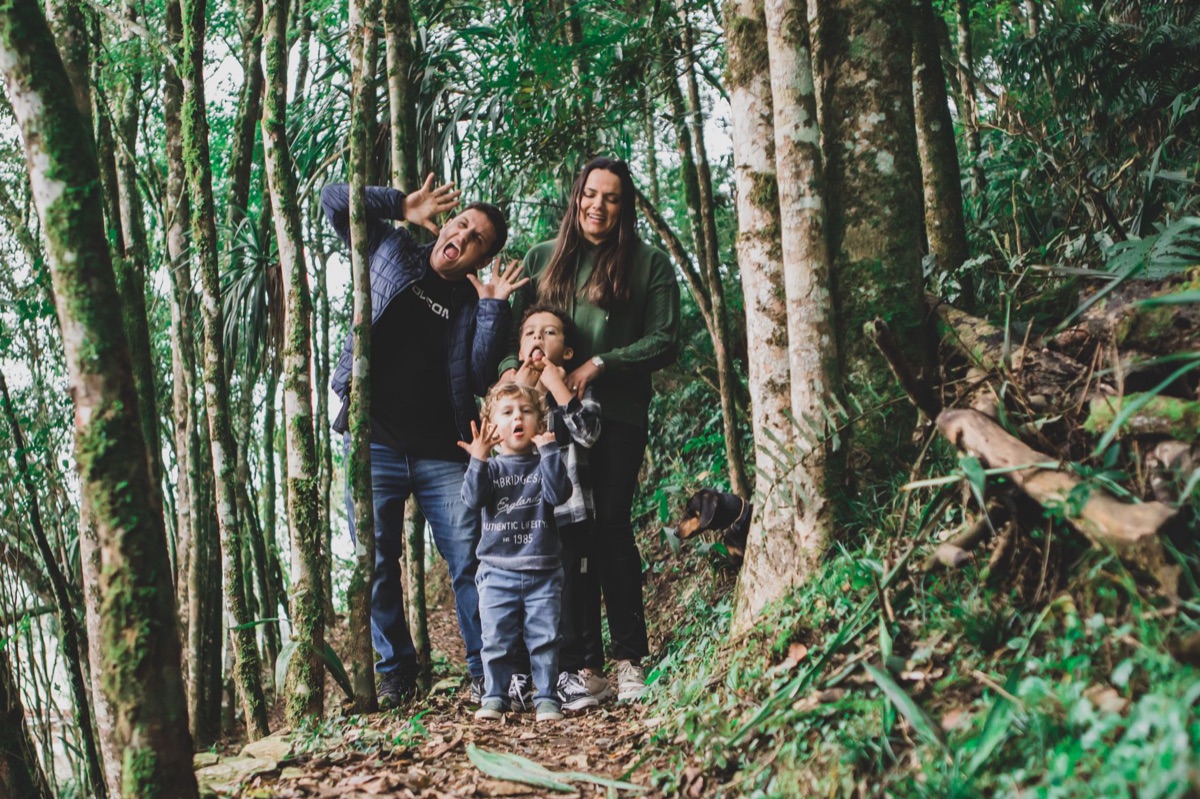
We sat at a small rental desk in Naha in the summer of 2026, staring at the paperwork and the slightly different placement of the gear shift. The realization hit: we were now driving on the left side of the road, and the steering wheel was on the right.
Driving in Okinawa is the most efficient way to travel, but it requires mental preparation, especially when traveling with children in the car.
The Driving Reality Check In Japan, you drive on the left side of the road. For American drivers, this means the driver's seat is on the right, and you will be passing oncoming traffic on your left. Always remember: the driver stays in the center of the lane, and pedestrians are king.
Before you even arrive, you must secure an International Driving Permit (IDP) in your home country. Without this physical document, you will not be allowed to rent a car, regardless of your valid domestic license.
Once you hit the road, keep an eye on speed limits; they are strictly enforced, and local police are active in tourist areas.
Accommodation Strategy: North vs. South Deciding where to sleep is the most important logistical choice you will make. Use this quick comparison to guide your booking:
| Feature | Naha (South/City) | Northern/Central (Onna/Motobu) |
|---|---|---|
| Atmosphere | Urban, bustling, historic | Resort-style, nature-focused, quiet |
| Accessibility | Close to airport and ferries | Further from airport, closer to major sights |
| Best For | Foodies and history buffs | Families seeking beach/resort vibes |
| Driving Time | High (requires more commuting) | Low (you are already near the sights) |
For a 3-night trip, I recommend staying in the Central/Northern area (like Onna Village) for at least two nights. This minimizes the time spent in the car during your peak sightseeing days.
But what happens when the kids start getting restless in the backseat?
What to do with kids: Beyond the tourist trail
The kids were running toward the giant jellyfish tank, their faces pressed against the glass, momentarily forgetting the long car ride from the morning. In that moment, the logistics didn't matter; the experience was everything.
When traveling with children, you cannot use a "one size fits all" approach. A toddler has very different needs than a ten-year-old.
Age-Specific Activity Mapping
* Toddlers and Preschoolers (Ages 1-5): Focus on sensory experiences. The Churaumi Aquarium is perfect because the visual stimulation is constant. Small, fenced-in parks or gentle beach walks in the Onna area are better than long hikes. * School-Age Children (Ages 6-12): This group loves engagement. The Nakajin Castle Ruins (a UNESCO site) offers enough space to run while teaching history through stone walls and wide vistas. Interactive museums or snorkeling in shallow, clear waters are also huge hits. * Teenagers: They often crave "cool" factor and photography opportunities. The Kouri Bridge drive is perfect for social media-worthy views, and more adventurous activities like kayaking or scuba diving will keep them engaged.
Pro-Tip for Parents: Always carry a "transition kit" in the car—extra snacks, wet wipes, and a tablet with downloaded content. The drive from Naha to the far north can take over two hours depending on traffic, and a bored child can quickly derail a planned itinerary.
However, there is a limit to how much you can pack into a single day.
How to manage your daily itinerary checklist
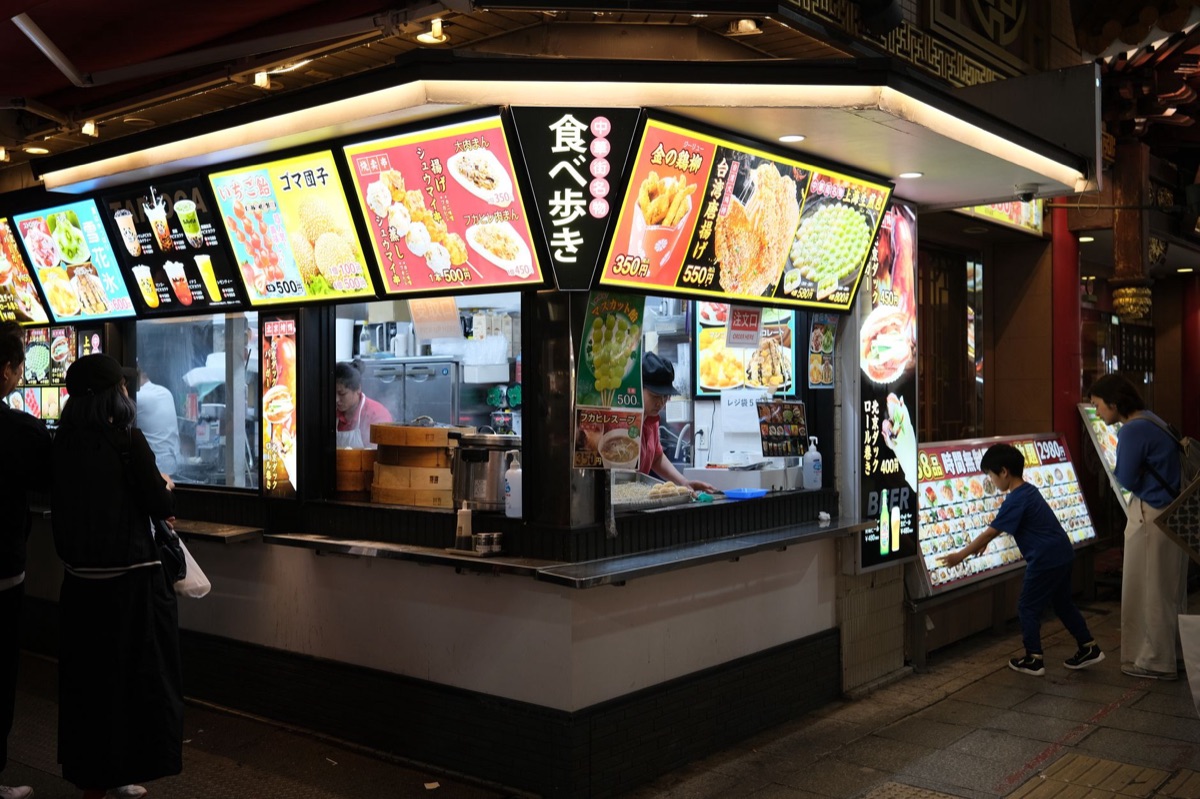
To keep the peace, you need a system. When we traveled in 2025, we found that having a clear checklist prevented the "what are we doing next?" arguments that often lead to meltdowns.
Follow these steps to organize your daily movement:
- The Morning Anchor: Pick one major destination (like the aquarium or a castle) to visit before 11:00 AM. This ensures you hit the biggest sights while energy levels are high.
- The Midday Reset: Schedule a lunch break at a local restaurant that has air conditioning. In the heat of an Okinawan summer, a 60-minute break is essential for everyone to cool down.
- The Afternoon Pivot: Plan a low-intensity activity for the post-lunch slump, such as a scenic drive through the Yanbaru forest or a quiet walk on a beach.
- The Evening Wind-Down: Return to your accommodation by 6:00 PM. This allows for a relaxed dinner and enough sleep to prepare for the next day.
If you follow this rhythm, you won't feel like you are constantly racing against the clock. But you must also prepare for the unexpected.
A note on safety and limitations
While the ocean is beautiful, always check the local weather and tide reports. Some beaches may have strong currents that are not immediately apparent. Additionally, while the drive is beautiful, do not let the scenery distract you from the road.
It is important to recognize that this itinerary is a baseline. It does not apply to travelers with severe mobility issues, as many of Okinawa's historical sites involve uneven stone paths and stairs.
Furthermore, during typhoon season (typically late summer), travel plans may need to change instantly.






Comments 0