Okinawa past and present: Guide to cultural links
Analyzing historical records reveals how Okinawa's unique identity was forged through maritime trade and local resilience. This study examines how archival elements bridge the gap between the Ryukyu Kingdom's legacy and modern Okinawan life. 1. Tracing the lineage of the Ryukyu Kingdom through preserved artifacts. 2. Understanding how traditional music and festivals maintain cultural continuity. 3. Identifying the connection between historical trade and current social structures.
How do historical records shape Okinawa past and present?

A researcher sits at a wooden desk, carefully turning the brittle pages of a hand-copied ledger from the maritime era. The dust motes dance in the light as the ink of a long-dead scribe meets the eyes of a modern student.
According to World Bank data, Japan recorded international tourist arrivals of 4,115,800 in 2020.
This connection between the written word and living tradition defines the Okinawa cultural history.
The archives serve as a window into the Ryukyu Kingdom, revealing a period of significant maritime influence. These records show how trade routes shaped the island's social hierarchy and artistic expressions. By studying these documents, we find the roots of current community values.
The transition from a sovereign kingdom to its current state involved complex shifts in governance and identity. Historical archives provide the necessary context to understand how these changes influenced the modern Okinawan lifestyle.
This ongoing dialogue with the past ensures that the heritage remains a living part of the community.
What role does the Ryukyu Kingdom play in Okinawa heritage links?
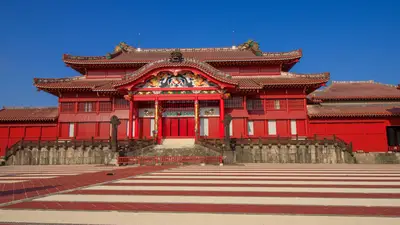
A visitor walks through the stone gates of Shuri Castle, feeling the weight of centuries of royal authority under the midday sun. The architecture stands as a silent witness to the administrative power once held by the Ryukyu kings.
According to World Bank data, Japan recorded GDP per capita of US$35,951 in 2025.
These structures provide the physical foundation for Okinawa heritage links.

The Ryukyu Kingdom was characterized by its sophisticated diplomacy and extensive maritime trade networks. This era established the unique cultural blend of indigenous traditions and foreign influences that define the region. Such history is vital for understanding the depth of the local identity.
The political structures of the kingdom influenced how local communities organized themselves for generations. These historical patterns often mirror the social cohesion seen in modern Otypical village life. The legacy of the monarchy remains a cornerstone of cultural pride.
How can we understand Okinawa archival studies through local art?
An artisan carefully brushes a vibrant pigment onto a piece of lacquerware, following a pattern passed down through generations. The repetitive motion of the hand reflects a skill honed over hundreds of years of practice. This process is a living example of Okinawa archival studies in action.
Traditional arts, such as lacquerware and textile weaving, act as recorded history themselves. The motifs used in these crafts often tell stories of historical events, mythical figures, or trade goods. These visual records allow the culture to be "read" even without written text.
The preservation of these techniques requires a constant engagement with historical methods. Artisans do not just create objects; they maintain the integrity of the historical record. This ensures that the aesthetic language of the past remains intelligible to future generations.
How does the music of the past influence the legacy analysis?

A performer strikes a sanshin, the bright, percussive notes cutting through the humid evening air. The sound carries a melody that has traveled through time, connecting the listener to an ancestral rhythm. This auditory journey is central to any Okinawa legacy analysis.
The music of the islands, including the sounds of the sanshin and traditional folk songs, carries the emotional history of the people. These songs often recount tales of sea voyages, local legends, or the daily struggles of the past. Music serves as a melodic archive of the collective experience.
Festivals like Eisa combine dance, drumming, and music to reenact historical narratives. These public performances are not mere entertainment but are essential acts of cultural preservation. They keep the spirit of the ancestors active in the minds of the living.
What are the steps to connecting with Okinawan traditions?
A student carefully organizes a collection of old photographs and maps, looking for patterns in how the landscape has changed. The task requires patience and a keen eye for detail to bridge the gap between eras. Following these steps helps in tracing Okinawa traditions.
- Visit historical sites like Shuri Castle to observe the physical remnants of the Ryukyu Kingdom. 2. Engage with local artisans to learn the historical significance of traditional crafts and motifs. 3. Attend local festivals to witness the living application of historical music and dance.

I once spent an afternoon observing a master weaver, realizing that every thread was a link to a documented history. This hands-on engagement makes the abstract concept of "tradition" tangible and real. It turns a history lesson into a personal connection.
The process of understanding history is not without its challenges. A significant limitation is that much of the primary documentation from the Ryukyu era has been lost to natural disasters or conflict, meaning we must rely on fragmented evidence to reconstruct the full picture.
The subject here is Okinawa past and present.
This part also covers Okinawa history to modern.
This part also covers Okinawa cultural evolution.
Tracing Okinawa traditions
Related





Comments 0