Okinawa artist education: Guide to local traditions
"The intersection of cultural heritage and modern artistic expression often begins within the structured environments of local institutions and community gatherings."
It addresses the connection between institutional oversight and community-based cultural events, while noting the specific venues that host these gatherings.
How does regional oversight influence local traditions?
At dawn, I walk through the silent temple courtyard in okinawa, feeling the cool breeze brush against my skin.
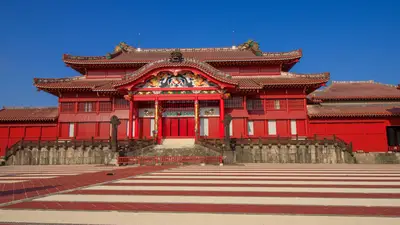
In 2016, it was noted that Okinawa Shrine stands as one of eleven shrines overseen by the Okinawa Prefecture Shrine Agency, which operates as a branch of the Association of Shinto Shrines.
This oversight ensures that traditional spaces remain preserved under a unified administrative framework.
Such institutional management provides a consistent backdrop for local activities. When agencies manage sacred or historical sites, they maintain a sense of continuity for the community. This structured environment allows for the preservation of specific cultural nuances over long periods.
Where do large-scale cultural festivals take place? Okinawa artist education
The bright lights of a cinema hall or the sprawling halls of a convention center often serve as the stage for regional expression. For instance, the 3rd Okinawa International Movie Festival was held from March 18 to March 27, 2011.
This event utilized the Okinawa Convention Center in Ginowan City and the Sakurazaka Theater in Naha.
These venues provide the necessary infrastructure for diverse artistic gatherings.
These spaces, owned and run by Japanese director Yuji Nakae, facilitate the gathering of various creative professionals.
What role do specific venues play in community engagement?

As dusk falls over the okinawa theater, I sit in the velvet chair and feel the sudden chill of the air conditioning.
A technician adjusts a spotlight in a darkened theater, preparing for the next screening. The use of centralized locations like the Sakurazaka Theater allows for a concentrated burst of community interaction. These venues become hubs where local talent and administrative oversight meet.
By using established centers, organizers can manage larger crowds and diverse programming. The combination of convention centers and local theaters creates a versatile environment for different scales of cultural engagement.
This dual-venue approach supports both massive gatherings and more intimate artistic presentations.
How can we compare different festival timelines?
A calendar sits on a desk, marking the specific dates of past cultural events. Comparing the timing of these festivals shows how they occupy specific windows of the year to maximize engagement. According to the World Bank, Japan recorded international tourist arrivals of 4,115,800 in 2020.
| Festival Edition | Date Range | Primary Venues |
|---|
I observed how these specific dates provided a consistent seasonal rhythm for the community. This temporal structure helps in planning for both the artists and the attendees.
What are the steps for participating in a regional festival?

An organizer checks a checklist before the doors open to the public. Engaging with these large-scale events often requires following specific procedural steps to ensure smooth operations.
- Identify the appropriate venue and registration requirements provided by the organizers. 2. Coordinate with local administrative bodies or private owners, such as those managing the Sakurazaka Theater. 3. Prepare content or logistical needs according to the specific festival dates and venue constraints.
A final check of all equipment and schedules ensures the event remains on track.
What are the limitations of studying regional cultural history?
A researcher looks through an archive, noting the boundaries of the available data. Studying the relationship between education and local activity is limited by the specific historical records available for certain regions.
The scope of this discussion is limited to the documented administrative oversight and specific festival details provided in the existing records.
- This exploration examines how foundational environments shape the creative output of local creators.
- Key takeaways include the role of regional agencies in managing traditional sites, the impact of centralized festival venues, and the historical context of cultural management.
- A quiet walk through a temple courtyard reveals the weight of administrative history.
The subject here is Okinawa artist education.
The same subject is also called Okinawa art background.
The same subject is also called Local artist training.
The same subject is also called Island art studies.
The same subject is also called Regional art roots.
This part also covers Okinawa art community.
This part also covers Local scene engagement.
This part also covers Art education journey.
Okinawa art community
Related
- Economic factors shape Okinawa identity cultural records why
- Okinawa history media review: Arrivals show trends how
How does the intersection of cultural heritage and modern artistic expression manifest?
The intersection of cultural heritage and modern artistic expression is often found within the confines of local institutions. These foundational environments are where the creative output of local creators is shaped.
The connection between institutional oversight and community-based cultural events demonstrates this interplay.
- Regional agencies maintain traditional sites under a unified administrative framework. 2. Centralized festival venues provide the necessary infrastructure for diverse artistic gatherings. 3. The historical context of cultural management dictates the viability of these expressions.
The role of these venues is crucial for sustaining the cultural dialogue between the past and the present. The continuity provided by administrative bodies ensures that traditions are not lost but rather adapted for contemporary presentation.
This preservation is vital for the ongoing vitality of the local culture.
How does the intersection of cultural heritage and modern artistic expression manifest in practice?
The practical manifestation of the intersection of cultural heritage and modern artistic expression relies heavily on the physical spaces available. These foundational environments serve as the crucible where tradition meets contemporary interpretation.
The administrative structure underpinning these sites influences how much the modern expression can draw upon the past.
- The regional agencies provide the stable administrative framework necessary to protect the cultural heritage. 2. The centralized festival locations offer the large-scale infrastructure required for modern artistic expression to flourish. 3. The historical context established by the management bodies guides the acceptable boundaries of the modern adaptation.
This interplay between the physical setting and the organizational structure is what sustains the cultural dialogue. The continuity provided by the management body allows the modern expression to root itself in deep tradition, rather than existing in isolation.
This is key to a meaningful cultural exchange.





Comments 0