80 Years of Evolution: Okinawan Food Meets Modern Palates
"The soul of a culture is often found in its recipes, but the heart of a living culture is found in how those recipes change."
As you sit in a dimly lit izakaya in Naha in July 2026, the smell of simmering pork and bitter melon wafting through the air, you might wonder if the dish in front of you is truly "authentic" or a clever reinvention for the modern traveler.
Okinawan cuisine is currently undergoing a profound transformation, balancing its deep Ryukyu roots with global culinary trends.
* The Shift: Traditional, hearty, often communal dishes are being refined into elegant, individual plates using modern techniques. * The Drivers: Globalization, a growing tourism industry, and a younger generation of local chefs are the primary engines of this culinary evolution. * The Balance: While presentation and techniques change, the core identity—rooted in longevity and local ingredients—remains the foundation of the cuisine.
Why Did Okinawan Cuisine Need to Evolve?
The sun sets over Shuri Castle in the late afternoon, casting long shadows over the red-tiled roofs that once stood as the heart of the Ryukyu Kingdom. For centuries, the Okinawan diet was defined by necessity, resourcefulness, and the unique geography of an island nation.
According to World Bank data, Japan recorded an agricultural land share of 12.6% in 2023.
The original Okinawan diet was built on the principles of longevity and the clever use of limited resources. During the era of the Ryukyu Kingdom, trade with China and Southeast Asia introduced ingredients and spices that created a flavor profile distinct from mainland Japan.
This history of maritime trade meant that "tradition" was never static; it was always a result of cultural exchange.
As the islands modernized through 2025 and into 2026, the availability of ingredients shifted dramatically. What was once a rare luxury or a seasonal necessity became a year-round staple due to improved logistics and global trade.
However, this ease of access created a tension: how do you maintain a sense of place when every supermarket carries the same global goods?
Modern dining experiences have pushed this tension to the forefront. In cities like Naha, the rise of fine dining and fusion concepts has turned traditional ingredients into high-art.
While a local might seek a hearty bowl of soup to fuel a day of work, a tourist or a celebratory diner seeks a sensory experience. This demand for "theatrical" dining has pushed chefs to experiment with textures and presentations that were never part of the original culinary lexicon.
The transition from a survival-based diet to a lifestyle-based cuisine has forced a re-evaluation of what "Okinawan food" actually means. It is no longer just about sustenance; it is about storytelling.
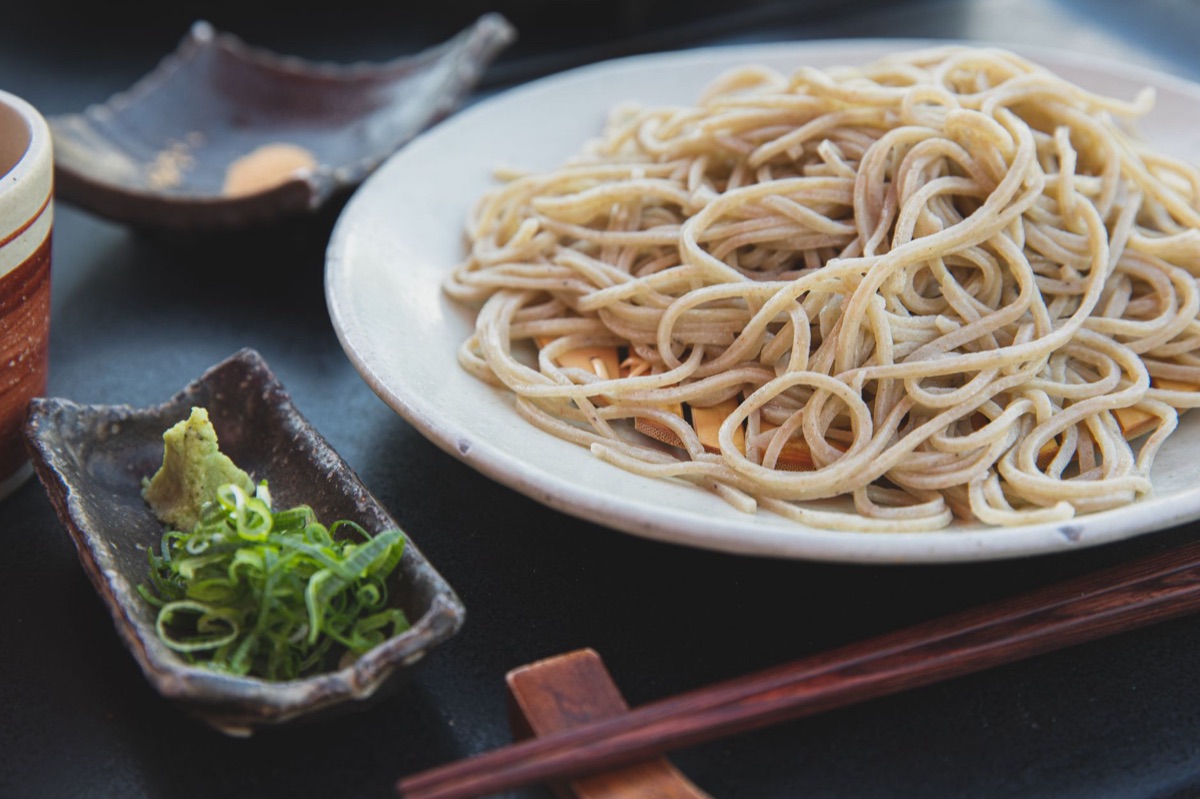
How did humble roots transform into modern plates? A chef carefully places a single, perfectly seared slice of pork belly atop a bed of micro-greens at a high-end restaurant in Ginowan, a far cry from the large, communal braised platters of decades past. The transition from the family table to the white-linen tablecloth is visible in every bite.
The most iconic example of this transformation is *Goya Chanchanpuru* (bitter melon stir-fry). Traditionally, this is a rustic, hearty dish designed to be shared from a large pan, emphasizing the sharp, healthy bitterness of the melon.
In modern high-end restaurants, however, we see "deconstructed" versions. A chef might turn the bitter melon into a light, airy foam or a delicate gel, serving it alongside a precisely sous-vide piece of pork. The flavor profile remains, but the physical experience is entirely different.
Ingredient substitution also plays a massive role in modern plates. While traditional recipes relied on specific local catches, modern chefs often substitute or augment these with premium global ingredients to meet rising expectations.
You might find a traditional Okinawan soup base elevated by the addition of truffle oil or premium Wagyu beef, bridging the gap between local soul and international luxury.
Preparation techniques have also seen a radical shift. The traditional method often involved slow-cooking or fermentation—processes that take time and patience. Modern kitchens, equipped with precision tools, often opt for high-heat, quick-execution methods like searing or rapid chilling.
This changes the texture of the food from "melt-in-the-mouth" soft to "crisp and structured."
Finally, the shift in presentation is perhaps the most striking visual change. Traditional Okinawan meals were often utilitarian—served in large bowls or on shared platters meant to foster community. Modern plating is highly individualized and artistic.
Each plate is a curated landscape, designed to be photographed as much as it is to be eaten.
How can identity be preserved amidst change? A young chef in a sleek, minimalist kitchen in Naha debates with an elderly mentor about whether a traditional recipe can be "improved" by modern technique. This tension is the heartbeat of the current culinary scene.
The generational gap is a primary driver of change. Younger Okinawans, often educated in culinary schools abroad or in Tokyo, bring a global perspective to their heritage. They want to celebrate their roots but also want to express their modern identity.
For them, reinventing a dish isn't a rejection of the past, but a way to make it relevant to their own lives.
Tourism acts as a powerful catalyst for this evolution.
With the influx of international visitors in 2026, there is a constant demand for food that is both "authentic" and "accessible." A traveler might want the flavor of Okinawa but may find traditional textures—like certain types of fermented organs or very tough stews—challenging.
Chefs respond by refining these flavors into more approachable formats, creating a "gateway" to Okinawan culture.
Economic factors also play a role. As the hospitality industry grows, there is a growing market for luxury dining. By elevating local ingredients through sophisticated presentation, chefs can command higher prices, turning once-simple peasant foods into premium culinary experiences.
This helps sustain local agriculture by giving high-value purpose to traditional crops.
The ultimate challenge is the balance of authenticity. Chefs are constantly walking a tightrope. If they change too much, they lose their connection to the culture; if they change too little, they may fail to capture the interest of a changing world.
This conscious effort to balance "the old way" with "the new way" is what keeps the cuisine alive.
Modern Dining vs. Traditional Dining: A Visitor's Guide
You stand at a crossroads in a busy street in Shuri, looking at a menu that offers both a rustic noodle soup and a sophisticated multi-course tasting menu. Deciding which path to take depends entirely on your mood and your mission.
To navigate this culinary landscape, you must first understand the two distinct paths. If you are looking for a deep dive into the soul of the islands, seek out *Minshoku* (home-style) restaurants or local markets.
Here, you will find the original expressions of Okinawan flavor—unapologetic, hearty, and often served in large portions. If you are looking for an adventurous, sensory journey, look for modern fusion or "New Okinawan" tasting menus in urban centers.
| Feature | Traditional Dining | Modern/Fusion Dining |
|---|---|---|
| Primary Goal | Sustenance & Community | Experience & Artistry |
| Portion Size | Large, often shared | Small, individualized |
| Flavor Profile | Bold, bitter, salty | Balanced, nuanced, complex |
| Setting | Casual, bustling, loud | Polished, quiet, curated |
Finding the middle ground is often the best strategy for a traveler. Many mid-range restaurants in areas like Naha or Onna Village offer a "hybrid" experience. They might use traditional ingredients like *Agu* pork or *Okinawa Soba* noodles but apply modern plating and refined seasoning.
These spots allow you to taste the heritage without feeling overwhelmed by extreme flavors or textures.
When eating modern Okinawan food, pay attention to the pairings. A modern dish might be designed to be eaten with a specific local vinegar or a handcrafted citrus-based sauce. Following these subtle cues can help you understand the chef's intent.
A suggested dining journey might look like this:
- The Foundation Phase: Spend your first two days in Naha eating at local *Minshoku* spots to understand the base flavors of bitter melon and pork.
- The Exploration Phase: In the middle of your trip, visit a fusion restaurant to see how those base flavors are transformed through modern techniques.
- The Synthesis Phase: On your final night, seek out a high-end tasting menu to experience the full artistic potential of Okinawan ingredients.
The Future of Okinawan Food: A Culinary Crossroads
The sun rises over the East China Sea, illuminating a coastline that has seen countless changes, from ancient kingdoms to modern bustling ports. The flavors of the island are poised to change once again.
The future of Okinawan cuisine lies in its ability to remain fluid. As long as the core ingredients—the bitter melon, the local pork, the sea vegetables—remain central, the cuisine can survive any amount of stylistic transformation.
The evolution we see today is not a sign of decay, but a sign of vitality. A culture that refuses to change is a culture that is dying; a culture that evolves is a culture that is growing.
The enduring strength of Okinawan food is its foundation in wellness and local ecology. Even as plates become more beautiful and techniques more complex, the underlying philosophy of "food as medicine" remains.
This connection to health and longevity is what will keep the soul of the plate intact, no matter how much the presentation changes.







Comments 0