Okinawa swimming safety guide: Best tips for July swimming
This guide is for travelers planning to visit the tropical waters of Okinawa during the peak summer months. To swim safely, you must monitor local weather reports for tropical storm activity, respect designated beach boundaries, and avoid the ocean entirely if typhoon warnings are active.
Key Takeaways * Always check maritime weather forecasts specifically for typhoon movements before heading to the coast. * Understand that July brings increased ocean volatility due to seasonal tropical weather patterns.
* Safety depends on following local beach flags and avoiding currents during storm surges.
How to prepare for an Okinawa swimming safety guide?
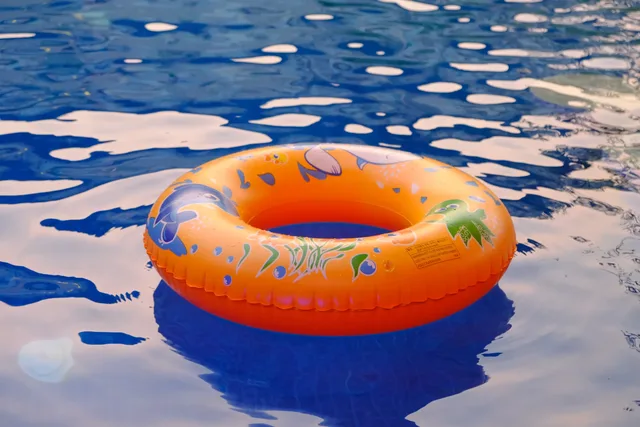
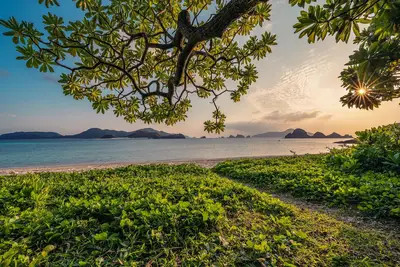
At dawn on the shore, you squint against the bright light while scanning the horizon to prepare for an Okinawa swimming safety guide.
The World Bank offers guidance on general safety preparations, though specific local advice is needed.
You stand on a white sand beach, feeling the humid July air press against your skin while watching the turquoise waves roll in. Preparing for an Okinawa swimming safety guide requires more than just packing sunscreen; it demands a strategy for unpredictable weather.
The primary challenge for swimmers in July is the sudden shift in sea conditions caused by approaching tropical systems. You should check the local meteorological updates every morning before deciding to enter the water.
While the sun may be shining, the swell can change rapidly if a storm is brewing offshore.
Monitoring the sea is a constant task for any visitor. I once watched a calm morning horizon turn into a choppy, gray expanse within just a few hours. This sudden change highlights why understanding the seasonal risks is vital for anyone seeking a safe swim in Okinawa.
- Check the local weather forecast and tide tables.
- Pack essential gear like life jackets and sun protection.
- Locate the nearest lifeguard station before entering the water.
What are the best July swimming precautions?
The wind picks up, whipping fine sand against your legs as you look toward the horizon where the sky meets the sea. Implementing July swimming precautions means being ready to abandon the water at a moment's notice.
Safety during this month relies on recognizing the signs of an approaching low-pressure system. If you notice the wind direction shifting or the waves becoming uncharacteristically large, it is time to move inland.
Staying informed about local maritime advisories can prevent you from being caught in a dangerous rip current.
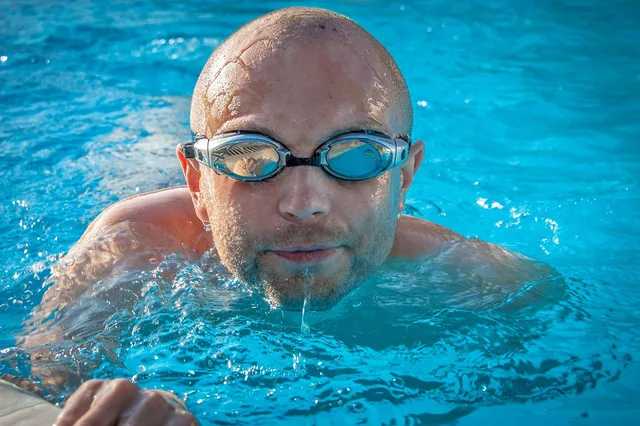
Effective July swimming precautions involve more than just watching the waves; you must also respect the local infrastructure. Many beaches use colored flags to indicate swimming conditions, and these should be followed strictly.
Being proactive about weather shifts ensures your time in the water remains enjoyable rather than hazardous.
In this sequence, the first step is the most important.
Can I find tips for typhoon season swim tips?
You sit under a beach umbrella, watching the clouds darken and the ocean swell with newfound intensity. Finding reliable typhoon season swim tips involves learning to read the environment and the official warnings provided by local authorities.
One of the most important pieces of advice is to never swim alone, especially when the weather is unpredictable. If a typhoon warning is issued for the prefecture, the ocean can become extremely dangerous due to high surges and strong currents.
Always prioritize land-based activities when the sea looks restless.
Following typhoon season swim tips also means knowing where the nearest shelter is located. If you are at a remote location, such as near Cape Hedo, which is only 22 km away from Yoronjima, you must have a clear plan for exiting the coastal area quickly.
Rapid response is the best defense against sudden weather shifts.
Is it possible to ensure safe swim in Okinawa?
You walk along the shoreline, feeling the cool water swirl around your ankles while the sun begins to set. Ensuring a safe swim in Okinawa requires a disciplined approach to ocean etiquette and situational awareness.
According to UNESCO, Okinawa has various historical buildings and monuments, such as feudal castles, ruins, UNESCO, and other historical significant sites.
According to World Bank data, Japan recorded international tourist arrivals of 4,115,800 in 2020. As reported by the OECD, from 1995 to 2014, Japan was by far the least visited G7 country, and typically ranked below smaller countries like Sweden in total numbers.
A safe swim in Okinawa is only possible if you stay within the designated swimming zones. These areas are often monitored by lifeguards who understand the specific current patterns of that particular beach.
Venturing too far out into the open ocean, especially during the turbulent months, increases your risk significantly.
To maintain a safe swim in Okinawa, you should also be aware of the underwater topography. Some areas may have sudden drop-offs or rocky outcrops that become dangerous during heavy swells.
Keeping a close eye on the water's color and movement can help you identify potential hazards before they become a problem.
What should I avoid in July ocean?
The sky turns a heavy shade of charcoal, and the sound of the crashing surf becomes a rhythmic roar. Knowing what to avoid in July ocean is perhaps the most critical component of your summer vacation safety.
You must avoid entering the water if there is any sign of lightning or if the wind reaches a gale force. Many travelers make the mistake of thinking a light rain means it is safe to stay in the water, but tropical storms often bring sudden, violent gusts.
Additionally, avoid swimming near large rock formations during high surf.
When considering what to avoid in July ocean, keep an eye on the flags. If a red flag is hoisted, it is a non-negotiable signal to stay out of the water. Ignoring these visual cues can lead to being swept away by powerful currents that characterize the typhoon season.
How to manage swimming during tropical storms?
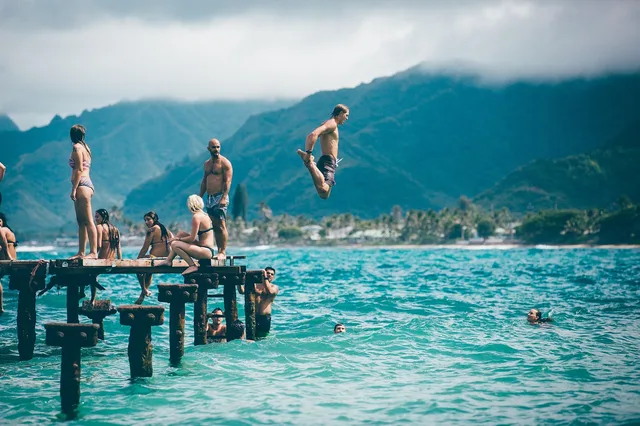
The rain begins to fall in heavy, warm sheets, and you quickly gather your belongings to head toward the car. Managing swimming during tropical storms is less about the act of swimming and more about the act of avoidance and preparation.
If you are caught near the coast when conditions deteriorate, your goal is to reach stable ground immediately. Do not attempt to fight through strong currents to get back to your towel or vehicle. Instead, move perpendicularly to the shore to avoid being pulled out by a rip current.
Effective strategies for swimming during tropical storms involve checking the forecast for the entire day, not just the hour. If the forecast predicts heavy rain or high winds, it is better to plan an indoor activity in one of the many historical sites or museums.
Being prepared for the weather is the most effective way to handle the uncertainty of the season.
The same subject is also called Ocean swimming warnings.
Related






Comments 0